
Australia Declares State of Disaster as Nearly 70 Fires Burn Across New South Wales

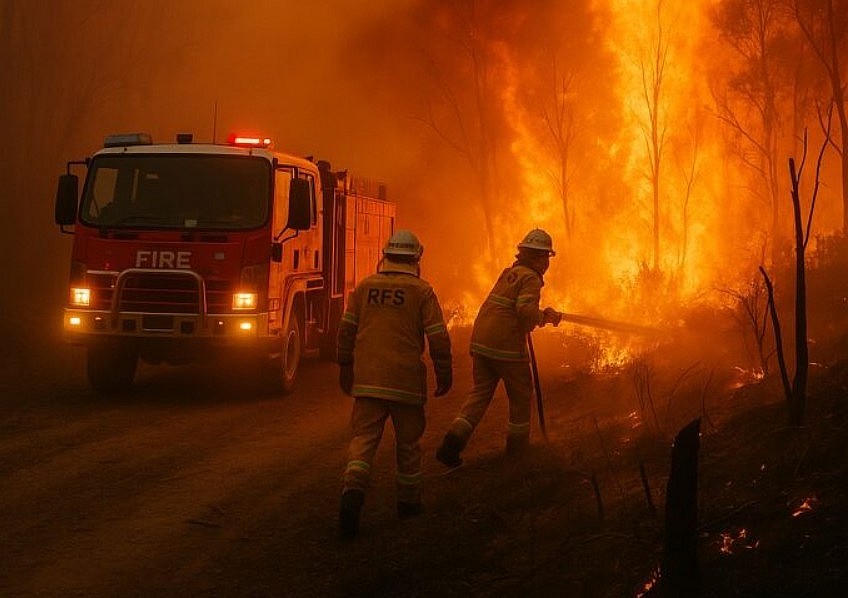 |
| The state of New South Wales has declared a state of natural disaster across numerous regions as catastrophic conditions continue. |
Australia is facing an escalating bushfire emergency, with the state of New South Wales declaring a state of natural disaster as almost 70 fires burn across multiple regions. Extreme heat, strong winds and dry vegetation have combined to create catastrophic conditions that continue to threaten communities, infrastructure and natural habitats.
Officials say the situation remains volatile. While pockets of cooler air have brought short periods of relief, the broader weather pattern points to ongoing danger as summer intensifies.
A Crisis Spreading Across the State
Fire authorities have tracked a rapid rise in active fires over the past several days. What began as a series of localised ignitions quickly expanded into a statewide emergency. Regions including the Central Coast, Mid Coast, Upper Hunter, Dubbo and parts of the north-west have been declared disaster zones, unlocking immediate government assistance.
Some of the most intense fire behaviour has been observed along the Central Coast, where flames jumped a one-kilometre stretch of water near Woy Woy Bay, surprising even veteran firefighters. The Koolewong area suffered extensive damage, with homes burned to the ground as fast-moving fire fronts advanced with little warning.
By the latest counts, dozens of the nearly 70 active fires remain uncontained. Several are burning close to residential neighbourhoods, keeping evacuation warnings in place and forcing thousands of families to remain on alert.
Homes Lost and Communities Displaced
Assessments throughout Sunday confirmed significant property losses. On the Central Coast alone, at least a dozen homes were destroyed, though emergency services caution that the number may rise as access improves and smoke clears. A separate fire in the Mid-North Coast region has added further losses, pushing the combined total of destroyed homes toward twenty.
Across threatened districts, families have been urged to leave early rather than wait for last-minute evacuation orders. Emergency shelters have opened in multiple locations, offering accommodation, food and support for displaced residents. Local councils and community groups are delivering supplies, helping families account for missing pets, and arranging temporary housing.
Despite the scale of destruction, authorities report no confirmed fatalities. Fire crews stress that this is due in large part to early warnings and strong community compliance with evacuation advice.
Firefighters Battling on Multiple Fronts
More than 1,500 firefighters, backed by aircraft and strike teams from across the state, are working to contain fires burning in bushland, farmland and peri-urban areas. They face harsh and unpredictable conditions. Strong winds have caused fire lines to change direction without warning, sending embers long distances and igniting spot fires well ahead of the main fronts.
Aerial tankers have been working around the clock to slow the progression of major blazes, while ground crews carry out backburning where safe and possible. Fire authorities note that erratic wind patterns remain one of the biggest challenges, often undermining planned containment strategies.
Some fires were briefly downgraded as afternoon temperatures dipped, but officials warn that any reprieve is temporary. Heatwaves are forecast to continue, raising the probability of new ignitions and flare-ups.
Government Response: Disaster Declaration and Recovery Support
The state’s declaration of a natural disaster has triggered a range of support measures, including emergency payments for affected households, grants for small businesses, assistance for primary producers and fast-tracked access to temporary accommodation. The federal government is coordinating with state agencies to ensure resources flow quickly to the hardest-hit regions.
Leaders have emphasized that the response must address both immediate needs and long-term recovery. Damage assessments are underway to evaluate losses in agriculture, infrastructure, national parks and energy assets. Cleanup operations will begin once it is safe for crews to move into burnt areas.
The disaster declaration also activates mental-health support programs, recognizing the emotional toll on families who have lost homes or are living under prolonged threat.
Why the Fires Spread So Quickly
Meteorologists and fire experts say the current crisis is the result of a perfect storm. NSW has endured weeks of dry, hot weather, leaving vegetation highly combustible. A severe heatwave pushed temperatures above 40 degrees Celsius across many inland and coastal areas, dramatically increasing fire danger.
Strong winds, some reaching damaging thresholds, carried embers across roads, ridges and even bodies of water. Combined with low humidity, conditions created ideal circumstances for fires to ignite and grow rapidly.
Authorities caution that this fire emergency reflects the broader climate trend Australia has been experiencing. Longer, hotter summers and more frequent periods of drought have raised the baseline risk of large-scale bushfires.
The Road Ahead: Ongoing Risk and Long-Term Preparedness
While firefighters continue to make progress on some fronts, dozens of fires remain active and the threat is far from over. Officials are urging residents in at-risk areas to maintain fire plans, monitor alerts and relocate early if conditions deteriorate.
Summer is only beginning, and meteorologists expect elevated temperatures to persist. Fire services are preparing for what could become a prolonged and dangerous fire season, placing additional strain on emergency resources.
Recovery efforts will also stretch into the months ahead. Rebuilding homes, repairing infrastructure and restoring damaged ecosystems will require coordinated action across government, industry and communities. For many families, the emotional recovery will take even longer.
Conclusion
Australia is once again confronting the harsh reality of a landscape primed for fire. With nearly 70 bushfires burning and multiple regions declared disaster zones, New South Wales is experiencing one of its most severe early-summer emergencies in recent years. Firefighters are battling around the clock, communities are rallying and governments are mobilizing relief, but the road ahead remains challenging.
The crisis underscores a key message: preparedness, early warnings and community cooperation are essential. As conditions intensify, Australia must brace for the possibility that this is only the beginning of a long, dangerous fire season.