Best Time to Fill Up Petrol in the UK: Myth vs Reality

 Gas Pump Myths: What Actually Saves You Money at the Pump? Gas Pump Myths: What Actually Saves You Money at the Pump? |
 Day vs Night Gas: Does Timing Really Affect How Much Fuel You Get? Day vs Night Gas: Does Timing Really Affect How Much Fuel You Get? |
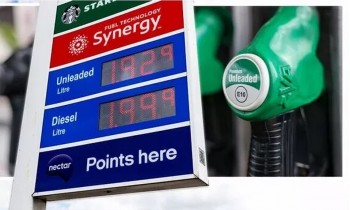 Where to Find the Cheapest Petrol in the UK: Save £5-£20 Every Fill-Up Where to Find the Cheapest Petrol in the UK: Save £5-£20 Every Fill-Up |
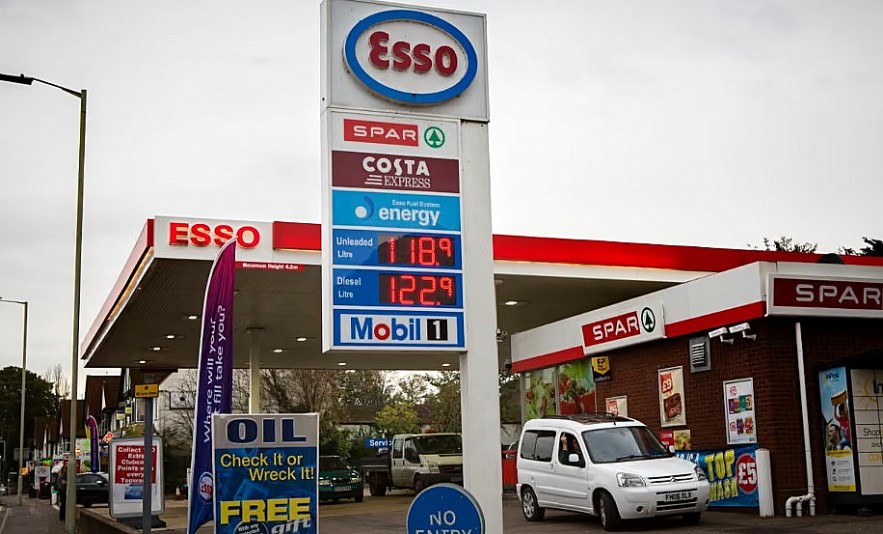 |
| How to find cheap petrol in the UK |
The reality is simpler and a bit less comforting: there’s no fixed day of the week that guarantees cheaper petrol in the UK.
What actually saves you money is understanding how prices move and knowing when to act.
The Common Myth: “Midweek Petrol Is Cheaper”
You’ll often hear things like:
- “Fill up on Tuesday or Wednesday”
- “Avoid weekends, prices go up”
These ideas sound logical, but they don’t hold up consistently in the UK market.
Unlike supermarkets or airlines, fuel prices don’t follow a predictable weekly cycle nationwide. You might see patterns locally for short periods, but they don’t last and don’t apply everywhere.
So if you’re waiting for a specific day, you could end up paying more.
How Petrol Prices Actually Work in the UK
To understand timing, you need to know what drives price changes.
1. Wholesale Prices Come First
Fuel retailers buy petrol based on wholesale market prices, which are influenced by:
- Oil prices
- Exchange rates (especially USD/GBP)
- Global events (conflicts, supply issues)
When wholesale prices rise or fall, pump prices follow but not instantly.
2. There’s a Delay Before Prices Change
Retailers don’t update prices at the same speed.
- Some increase prices quickly when costs rise
- Some delay price cuts when costs fall
This creates short windows where some stations are cheaper than others nearby
3. Each Station Sets Its Own Price
Even within the same brand, prices can differ.
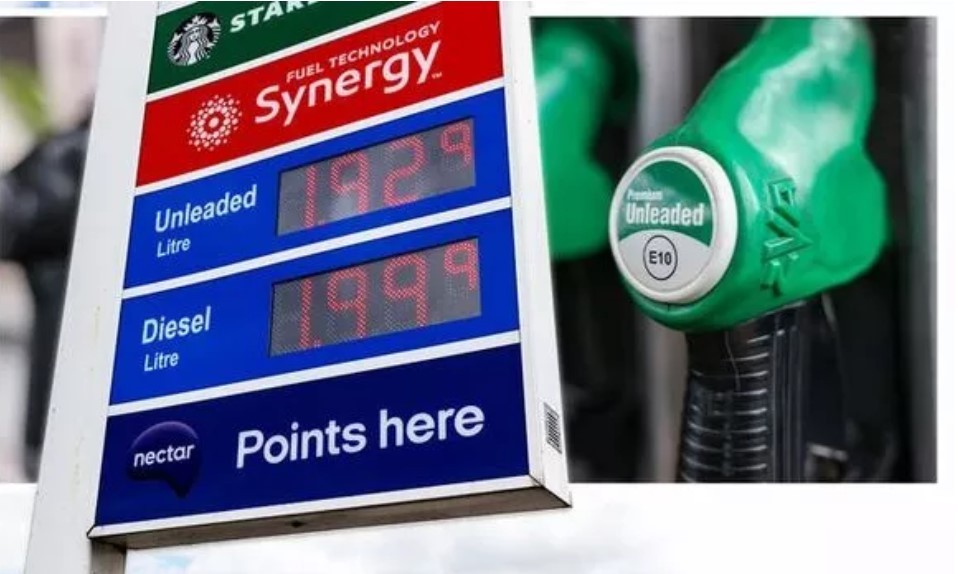
That’s why two petrol stations just a few miles apart can have a 10p–20p per litre gap.
So When Is the Best Time to Fill Up?
Instead of thinking in days, think in market direction.
If Prices Are Rising → Fill Up Early
When fuel prices are going up (like in early 2026), waiting almost always costs you more.
Simple rule:
If prices are trending upward, fill up sooner rather than later.
Even a few days’ delay can mean paying an extra £3–£6 per tank.
If Prices Are Falling → You Can Wait (Carefully)
When prices are dropping, you can delay slightly, but don’t overdo it.
Why?
- Retailers often cut prices slowly
- Not all stations reduce prices at the same time
You might find a cheaper station nearby without needing to wait days.
If Prices Are Stable → Compare Locally
In stable periods, timing matters less.
What matters more:
- Checking nearby stations
- Choosing the cheapest option in your area
This is where most savings come from.
The Biggest Mistake: Waiting for the “Perfect Day”
Here’s the truth most drivers overlook:
Waiting for the “right day” often costs more than filling up at a good price today.
Why?
- Price increases can happen overnight
- There’s no guaranteed weekly pattern
- You lose flexibility when your tank is low
This is especially risky when the market is volatile.
A Smarter Strategy That Actually Works
Forget guessing the day. Use this instead.
Step 1: Track Local Prices
Use tools like:
- PetrolPrices
- myRAC
- Fuel price comparison apps
Check prices near your regular routes.
Step 2: Set a Personal “Good Price”
For example:
- If average petrol is ~144p/litre
- You find 139p–141p
That’s a good deal. Take it.
Step 3: Don’t Let Your Tank Run Too Low
Try to refill when you still have around 50 miles left.
This gives you flexibility to:
- Choose a cheaper station
- Avoid emergency fill-ups at expensive locations
Step 4: React to Trends, Not Dates
Ask yourself:
- Are prices rising? → Fill now
- Are prices falling? → Wait slightly
- Are prices mixed? → Compare locally
That’s it. No calendar needed.
Real-World Example
Let’s say:
- You delay filling up for 3 days
- Prices rise by 5p per litre
For a 50-litre tank:
- That’s £2.50 extra
Do this regularly, and it adds up to £100+ a year for no real benefit.
Final Thought
There’s no secret weekday trick for cheaper petrol in the UK.
The real advantage comes from:
- Paying attention to price trends
- Checking local stations
- Acting at the right moment
Once you stop relying on myths and start using simple, real-world logic, saving money on fuel becomes much easier and far more consistent.