Why Many Middle East Wars End Quickly

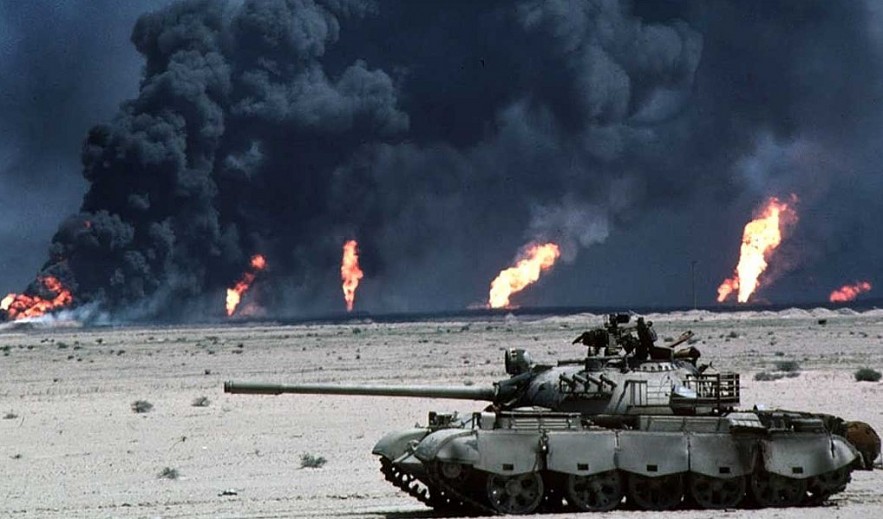 |
| The 1991 Gulf War |
A striking pattern runs through modern Middle Eastern history: many of its biggest interstate wars have been intense, dangerous, and surprisingly short.
The record is clear. The Six-Day War lasted from June 5 to June 10, 1967. The Yom Kippur War ran from October 6 to October 26, 1973. The 1991 Gulf War began on January 16–17, 1991 and ended about six weeks later. The 2006 Lebanon War lasted 34 days, from July 12 to August 14, 2006.
That does not mean most conflicts in the Middle East are brief. Many are not. The Arab-Israeli conflict, the Israeli-Palestinian conflict, the Syrian civil war, and the Yemen war all show how violence in the region can become prolonged, fragmented, and politically unresolved. The more precise historical lesson is this: many major conventional wars between states or organized military forces in the Middle East end quickly, even when the broader political conflict does not.
Read more: When Could the Iran War End? Signals From Trump, Oil Markets, and History
There are several reasons for that.
First, these wars often begin with very limited political aims. In 1967, the war was fast because Israel sought a decisive military result before outside powers could intervene. In 1973, Egypt and Syria launched a surprise attack to break the post-1967 stalemate, but the fighting soon ran into superpower pressure and ceasefire diplomacy. In 1991, the U.S.-led coalition had a narrow mission: expel Iraqi forces from Kuwait, not occupy all of Iraq. When goals are sharp and military plans are focused, wars can be brutal but short.
Second, outside pressure arrives quickly. Middle Eastern wars rarely unfold in isolation. The United States, Russia or the Soviet Union, European powers, Gulf states, and the United Nations usually move fast once oil supplies, shipping routes, or regional stability are threatened. In 1973, the fighting ended under intense international pressure after fears of wider escalation. In 2006, the Lebanon war stopped after a UN-backed ceasefire and heavy diplomatic intervention.
Third, the region’s wars often carry high economic costs from the start. Energy markets, trade routes, and investor confidence react quickly. That creates pressure on governments to seek a stopping point before military gains are outweighed by economic damage. The Gulf has repeatedly shown that when conflict threatens oil flows, diplomacy accelerates.
Fourth, modern Middle Eastern wars often favor rapid military decision over long attrition. Air power, missile strikes, mobilized armor, and concentrated offensives can change battlefield realities in days, not months. The Six-Day War is the classic example. Once the military balance tipped decisively, diplomacy followed.
Read more: How Trump Could End the Iran War Soon: Four Strategic Paths as Oil Prices Collapse
Still, history also warns against easy conclusions. Short wars do not necessarily produce lasting peace. The Six-Day War lasted six days, but its consequences shaped the region for decades. The Yom Kippur War ended in weeks, yet its political aftershocks transformed Arab-Israeli diplomacy. The 2006 Lebanon War ended in just over a month, but it did not resolve the Israel-Hezbollah confrontation.
That is the real lesson. In the Middle East, wars can end quickly while the crisis that caused them lives on. Military campaigns are often short. Historical consequences rarely are.