How California’s New Laws Change the Way ICE Operates — and What Immigrant Communities Should Know

 What are the Rights of Immigrants in the U.S? What are the Rights of Immigrants in the U.S? |
 What is the FEMA? Scandal Erupts, $59M Migrant Hotels, and More What is the FEMA? Scandal Erupts, $59M Migrant Hotels, and More |
 Trump Moves to End Birthright Citizenship for Children of Undocumented Immigrants Trump Moves to End Birthright Citizenship for Children of Undocumented Immigrants |
 |
| Understanding the Rights of Immigrants |
California’s new immigration laws taking effect in 2025 aim to limit how and where ICE conducts enforcement actions.
Here’s a clear breakdown of what the laws actually do, how they affect immigrant communities, and what has not changed.
What the New Laws Actually Do
A. Require Clear Identification by Enforcement Officers
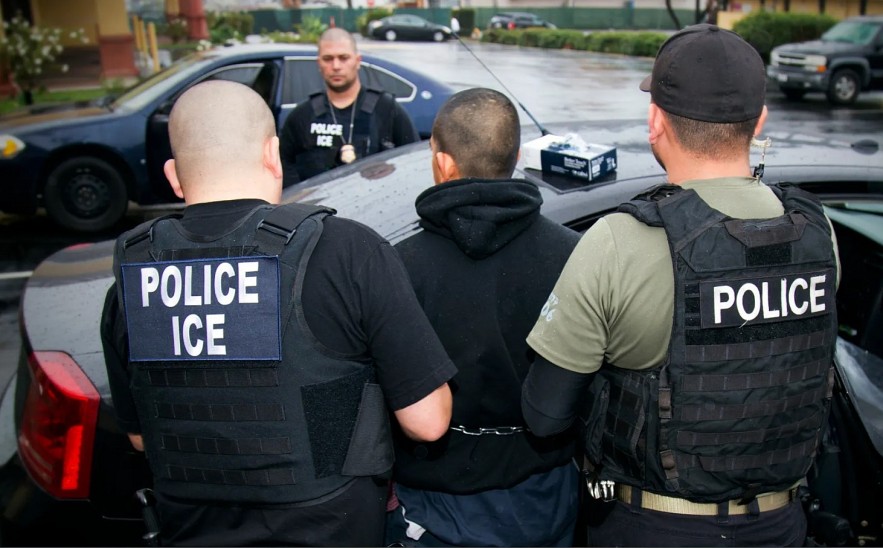
One of the most significant changes is a requirement that law enforcement officers, including federal agents operating in California, clearly identify themselves during enforcement actions.
What this means:
-
Officers must show visible identification.
-
They cannot conceal their faces without a legitimate safety reason.
-
They must identify their agency when conducting arrests.
Why it matters:
In recent years, residents reported enforcement actions by masked officers in unmarked vehicles, which caused confusion and fear in immigrant neighborhoods. Lawmakers say identification requirements help prevent impersonation and panic.
B. Limit Immigration Enforcement in “Sensitive Locations”
California law now restricts immigration enforcement activities in certain places that people rely on for essential services.
Sensitive locations include:
-
Schools and childcare centers
-
Hospitals and medical clinics
-
Certain state and local courthouses
What this does not mean:
ICE is not banned statewide. Enforcement can still occur in public spaces and workplaces, and under specific legal circumstances even near sensitive locations.
C. Create State-Level Reporting Systems
California has expanded tools that allow residents to report alleged misconduct by federal agents.
Important clarification:
-
The state cannot discipline ICE officers.
-
Reports are used to document patterns, refer cases, and inform legal or oversight actions.
Read more: How Many Illegal Immigrants Are Arrested and Deported from the U.S.?
What These Laws Do Not Do
This is where confusion often arises.
| Common Belief | Reality |
|---|---|
| ICE is banned in California | False |
| Immigrants are immune from arrest | False |
| California can control ICE operations | False |
| Deportations will stop | False |
ICE, formally known as U.S. Immigration and Customs Enforcement, still operates under federal law. The state cannot cancel deportations or prevent arrests authorized by federal courts.
How the Laws Change Daily Life for Immigrant Communities
Supporters say the biggest impact is not legal, but practical.
Before the Laws
-
Parents avoided hospitals out of fear.
-
Students skipped school after hearing ICE rumors.
-
Crime victims hesitated to contact police.
After the Laws (In Theory)
-
Schools and hospitals are safer to access.
-
Families have more clarity about enforcement boundaries.
-
Less misinformation during enforcement actions.
Research has shown that immigration raids often lead to increased school absences and reduced use of health services, even among U.S. citizen children in immigrant families.
Why the Federal Government Pushes Back
Federal officials argue immigration enforcement is exclusively a federal responsibility.
Their concerns include:
-
State laws interfering with federal duties
-
Potential risks to officer safety
-
Constitutional conflicts under the Supremacy Clause
Legal challenges are expected, and courts may ultimately decide how much authority states like California can exercise in this area.
What Immigrants and Families Should Know Right Now
These laws offer protections, not guarantees.
Key takeaways:
-
ICE can still make arrests in California.
-
Sensitive locations offer more protection, not immunity.
-
Knowing your rights remains critical.
-
State laws may reduce fear, but they do not replace legal status.
Advocates stress that understanding basic rights during encounters with law enforcement is still essential, regardless of state policy.
The Bottom Line
California’s new laws are best understood as guardrails, not roadblocks.
They aim to make immigration enforcement more transparent and less disruptive to daily life, especially in places where fear can have lasting consequences. Whether these laws survive legal challenges may shape how far states can go in responding to federal immigration policy.
For now, they reflect California’s belief that public safety includes ensuring people feel safe enough to go to school, seek medical care, and participate in their communities.