Religious Holidays in Australia 2026: Complete Calendar, Meanings & Traditions

Known for its rich religious diversity and strong multicultural identity, Australia observes a wide range of religious holidays throughout the year. While some are recognised as nationwide public holidays, others hold deep spiritual and cultural importance for specific faith communities.
In this month-by-month guide, KnowInsiders breaks down Australia’s major religious holidays in 2026—exploring their historical roots, spiritual significance, traditional celebrations, and how each observance affects businesses, schools, and public services across the country.
Learn more: How Many Public Holidays Are There in Australia in 2026? Full Breakdown by State and Territory
Religious Holidays in Australia – 2026 Timeline
January
• 1 Jan (Thu) – New Year’s Day
• 6 Jan (Tue) – Epiphany
• 7 Jan (Wed) – Orthodox Christmas
• 16 Jan (Fri) – Isra and Mi’raj (tentative)
February
• 2 Feb (Mon) – Tu B’Shevat
• 17 Feb (Tue) – Lunar New Year
• 17 Feb (Tue) – Shrove Tuesday
• 18 Feb (Wed) – Ash Wednesday
March – April
• c. 18 Mar – Start of Ramadan (moon-dependent)
• c. 17–18 Apr – Eid al-Fitr (moon-dependent)
April
• 3 Apr (Fri) – Good Friday
• 5 Apr (Sun) – Easter Sunday
• 6 Apr (Mon) – Easter Monday
• 25 Apr (Sat) – ANZAC Day
June
• 8 Jun (Mon) – King’s Birthday (most states)
October – November
• 20 Oct (Tue) – Diwali
• Late Nov – Early Dec – Hanukkah
December
• 25 Dec (Fri) – Christmas Day
• 26 Dec (Sat) – Boxing Day
Note: Some religious dates are based on lunar calendars and may vary slightly by community.
1. Chinese New Year
History and Significance: Celebrated by many Australians of Chinese descent, the Chinese New Year marks the beginning of the lunar calendar. It is steeped in various traditions and customs that date back thousands of years, symbolizing renewal and family reunion.
Celebrations: In Australia, celebrations include parades, fireworks, and family gatherings. Major cities like Sydney and Melbourne host large festivities.
Public Holiday Status: Not a public holiday; schools and businesses remain open.
2. Nirvana Day
History and Significance: This Buddhist holiday commemorates the death of Buddha and his achievement of Nirvana. It emphasizes the importance of compassion and wisdom.
Celebrations: Activities may include meditation, discussions on Buddhist teachings, and memorial services at temples.
Public Holiday Status: Not a public holiday; schools and workplaces typically remain open.
3. Easter: Good Friday, Easter Monday
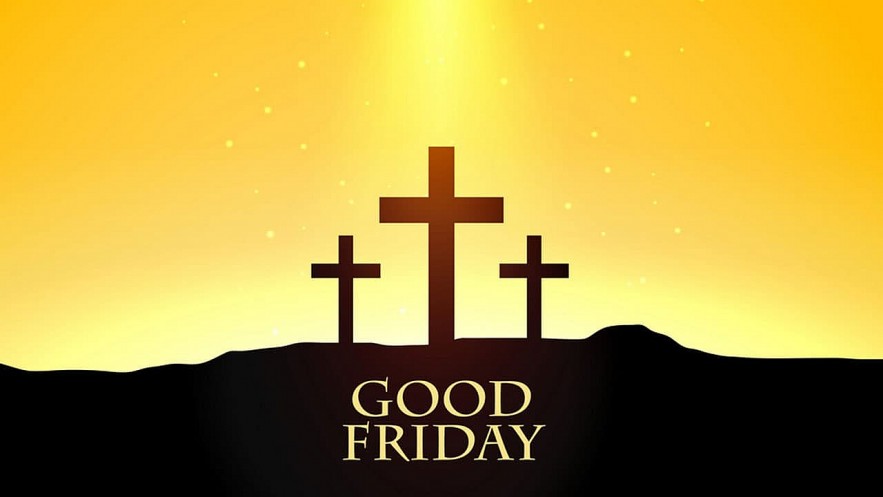 |
| Good Friday Traditions in Australia |
History and Significance:
Easter commemorates the resurrection of Jesus Christ, one of the central events in Christianity. Good Friday remembers Christ's crucifixion, and Easter Sunday celebrates His resurrection.
Celebrations in Australia:
Churches across Australia hold special services on Good Friday and Easter Sunday. Easter egg hunts, symbolizing new life, are popular activities for children. Many families gather for festive meals.
Public Holiday Status:
Yes, Good Friday (March 28) and Easter Monday (March 31) are public holidays across Australia.
Businesses, Schools, and Offices:
Most businesses, schools, and government offices are closed on Good Friday and Easter Monday. Some retail stores operate on reduced hours on Easter Sunday.
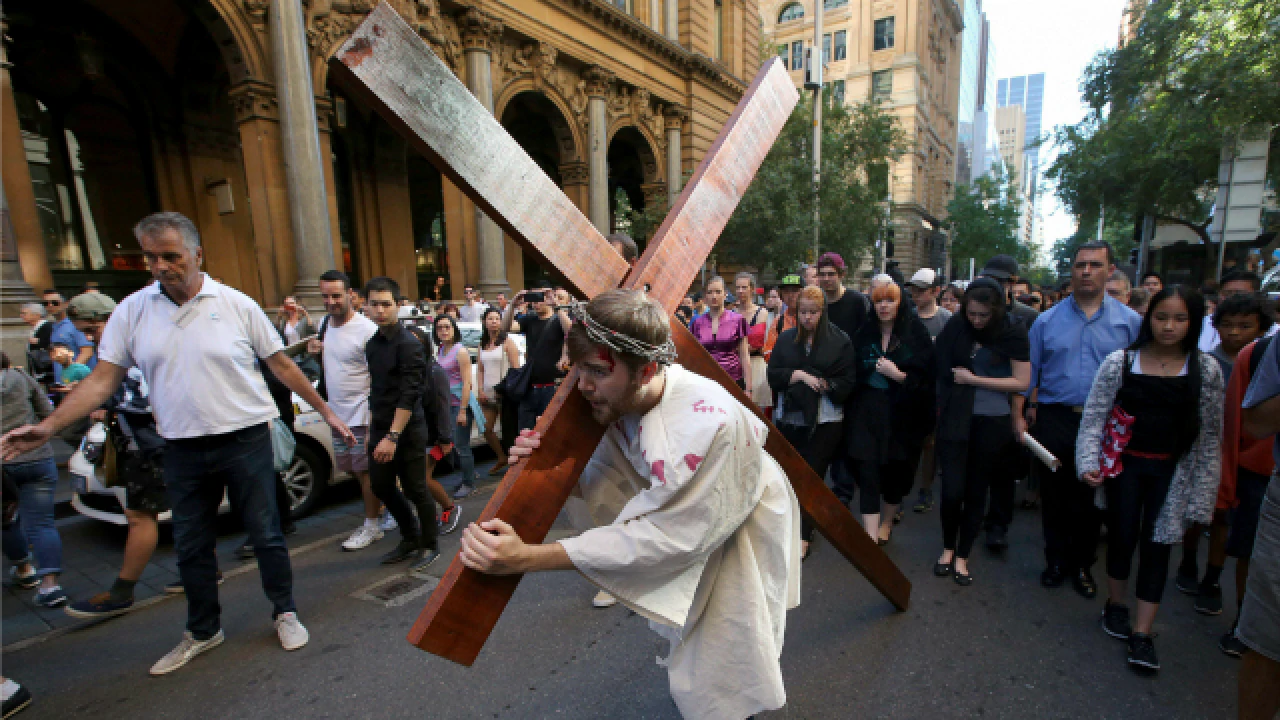 Good Friday (April 2): Date, History, Significance, Facts Good Friday (April 2): Date, History, Significance, Facts |
4. Ramadan and Eid al-Fitr
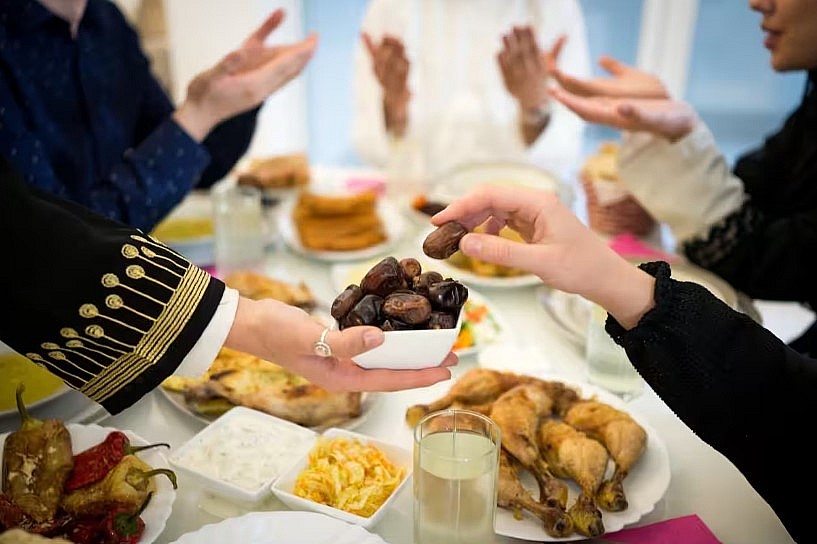 |
| A meal with loved ones during Ramadan |
History and Significance:
Ramadan is a month of fasting, prayer, and reflection for Muslims. It ends with Eid al-Fitr, a festival that celebrates the breaking of the fast and the end of Ramadan.
Celebrations in Australia:
Eid al-Fitr is marked by prayers at mosques, festive meals, and charitable donations. Large community events, especially in cities like Sydney and Melbourne, often include cultural performances and family gatherings.
Public Holiday Status:
Eid al-Fitr is not a public holiday in Australia.
Businesses, Schools, and Offices:
Businesses and schools remain open. However, Muslim employees may request time off to celebrate with their families. Some businesses in predominantly Muslim areas may reduce hours or close for the day.
Eid al-FitrHistory and Significance: This Islamic festival marks the end of Ramadan, a month of fasting. It is a day of celebration and gratitude to Allah for the strength to complete the fast. Celebrations: Muslims gather for communal prayers, festive meals, and giving charity to the less fortunate. Public Holiday Status: Not a public holiday, but many businesses and schools may accommodate observances. |
 Happy Ramadan: Top 25 Most Popular Words/Phrases and Pronunciation in Arabic, English Happy Ramadan: Top 25 Most Popular Words/Phrases and Pronunciation in Arabic, English |
5. Buddha’s Birthday
History and Significance:
Buddha’s Birthday, also known as Vesak, commemorates the birth, enlightenment, and death of Gautama Buddha, the founder of Buddhism.
Celebrations in Australia:
Buddha’s Birthday is celebrated with temple offerings, meditation, and acts of kindness. In cities like Brisbane and Perth, large multicultural festivals are held, featuring cultural performances, vegetarian food stalls, and public celebrations.
Public Holiday Status:
Buddha’s Birthday is not a public holiday in Australia.
Businesses, Schools, and Offices:
Workplaces, schools, and businesses remain open. Buddhists may take personal leave to observe the day.
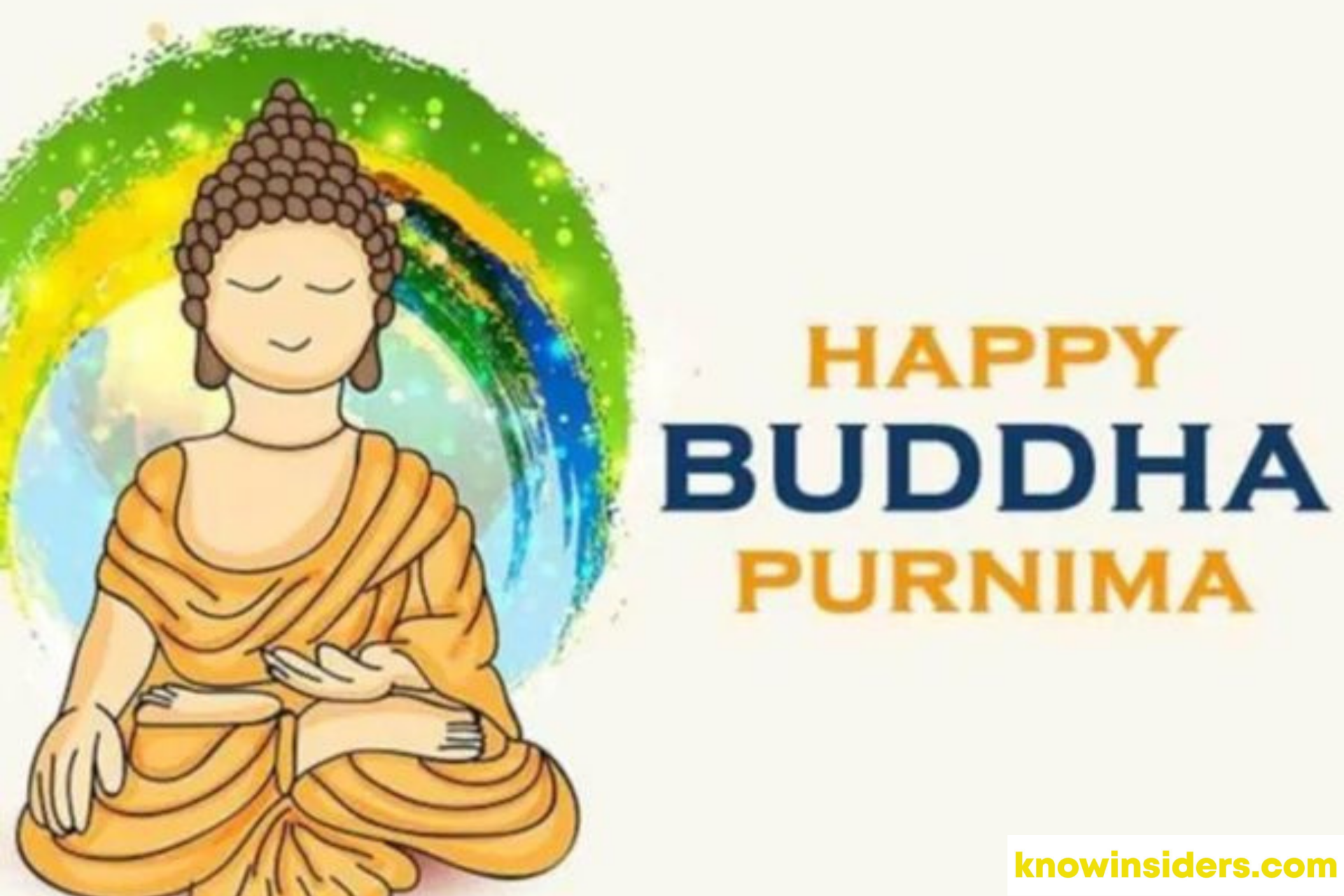 Buddha Purnima (May 7): History, Significance, Wishes and Quotes Buddha Purnima (May 7): History, Significance, Wishes and Quotes |
6. Holi
History and Significance: A significant Hindu festival that celebrates the arrival of spring and the victory of good over evil. It is associated with the love story of Radha and Krishna.
Celebrations: Australians celebrate Holi by throwing colored powders, singing, and dancing in parks and community events.
Public Holiday Status: Not a public holiday; businesses and schools usually remain open.
7. Ashura
History and Significance: Observed primarily by Shia Muslims, Ashura commemorates the martyrdom of Hussein ibn Ali, the grandson of the Prophet Muhammad.
Celebrations: Observances include fasting, prayer, and community gatherings, often involving recitations of stories of Hussein's sacrifice.
Public Holiday Status: Not a public holiday; most workplaces and schools remain open.
8. Diwali
History and Significance:
Diwali is the Hindu Festival of Lights, symbolizing the victory of light over darkness and good over evil. It also celebrates the return of Lord Rama to Ayodhya after defeating Ravana.
Celebrations in Australia:
In cities like Sydney, Melbourne, and Brisbane, Diwali is celebrated with fireworks, community festivals, and the lighting of oil lamps (diyas). Hindu families clean and decorate their homes, exchange gifts, and enjoy festive meals.
Public Holiday Status:
Diwali is not a public holiday in Australia.
Businesses, Schools, and Offices:
Businesses, schools, and workplaces remain open. Hindus may take personal leave to celebrate. In Indian-majority areas, businesses may adjust their hours.
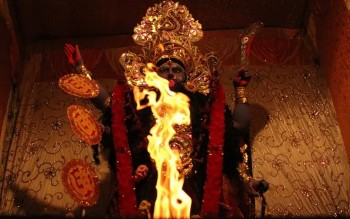 13 Distinctive Diwali Customs & Traditions in Different Indian Regions 13 Distinctive Diwali Customs & Traditions in Different Indian Regions |
9. Christmas
History and Significance:
Christmas commemorates the birth of Jesus Christ and is both a religious and cultural holiday in Australia. It is one of the most widely celebrated holidays in the country.
Celebrations in Australia:
Christmas is celebrated with family gatherings, gift exchanges, and festive meals. Many cities and towns hold "Carols by Candlelight" events, and homes are decorated with lights and Christmas trees.
Public Holiday Status:
Yes, Christmas Day (December 25) and Boxing Day (December 26) are public holidays across Australia.
Businesses, Schools, and Offices:
Most businesses, schools, and government offices are closed on Christmas Day. On Boxing Day, many retail stores reopen for large sales. Essential services remain operational.
10. Hanukkah
History and Significance:
Hanukkah is the Jewish Festival of Lights, celebrating the miracle of the oil that burned for eight days during the rededication of the Second Temple in Jerusalem.
Celebrations in Australia:
Hanukkah is celebrated by lighting the menorah, eating traditional foods like latkes and sufganiyot, and playing dreidel. Public menorah lightings are held in major cities, especially in Sydney and Melbourne.
Public Holiday Status:
Hanukkah is not a public holiday in Australia.
Businesses, Schools, and Offices:
Workplaces and schools remain open during Hanukkah, although Jewish families may take personal leave. Jewish-owned businesses may adjust their hours during the festival.
Final Thoughs
Australia’s rich religious diversity is clearly reflected in the wide range of holidays observed throughout the year. While major Christian celebrations such as Christmas and Easter are recognised as national public holidays with widespread closures, other important observances—including Eid al-Fitr, Diwali, and Hanukkah—hold deep spiritual and cultural significance for specific faith communities.
Australia’s flexible and inclusive approach allows these religious holidays to be recognised and celebrated, while ensuring that businesses, schools, and public services continue to operate for the wider population.
Together, these observances highlight Australia’s multicultural identity, showcasing how different religious and cultural traditions are respected and celebrated across the country year-round.
Frequently Asked Questions (FAQs)
-
Are all religious holidays public holidays in Australia?
No, only certain religious holidays, such as Christmas and Easter, are public holidays. Most others, like Eid al-Fitr, Diwali, and Hanukkah, are religious observances and do not come with mandatory time off.
-
Do businesses and schools close for non-Christian religious holidays?
Generally, businesses and schools remain open during non-Christian religious holidays. However, individuals may request personal leave to celebrate these holidays.
-
What happens on public holidays like Christmas and Easter in Australia?
On public holidays like Christmas and Easter, most businesses, schools, and government offices close. Retail stores may also close or operate on reduced hours, although essential services remain open.
-
Can employees take time off for religious observances?
Yes, many workplaces offer flexible leave arrangements for employees to observe their religious holidays, even if these are not public holidays.
Through a mix of public holidays and religious observances, Australia continues to foster an inclusive environment that celebrates its diverse cultural and religious heritage.
 2025 India Calendar - Full List of National/Regional Public Holidays: Dates and Celebrations 2025 India Calendar - Full List of National/Regional Public Holidays: Dates and Celebrations As we approach the year 2025, it's important to be aware of the various national and regional public holidays that will be observed across India. ... |
 Turkey Calendar in 2025 - Full List of Public Holidays, Religious Days And Celebrations Turkey Calendar in 2025 - Full List of Public Holidays, Religious Days And Celebrations Discover Turkish public holidays, religious celebrations, and festivals with KnowInsiders. To assist you in organizing your work and travel schedule for the year, obtain the ... |
 Israel Calendar in 2025 - Full List of Public Holidays, Observances And Celebrations Israel Calendar in 2025 - Full List of Public Holidays, Observances And Celebrations See the full schedule of Israel/Hebrew holidays, observances, important dates, and celebrations in 2025. |
 2025 Religious Holidays in the US: Important Dates 2025 Religious Holidays in the US: Important Dates In 2025, various religious groups will celebrate their important holidays, each with its own unique history, meaning, and traditions. This article explores some of these ... |