What Is Behind California’s Deadly Mushroom Outbreak? How To Spot Death Caps, Protect Kids and React Fast

 |
| What Is Driving Mushroom Foragers Back Into the Woods After California’s Deadly Poisoning Outbreak |
California’s rainy season usually brings excitement for mushroom foragers, but this year it comes with a stark warning. Health officials have confirmed a deadly poisoning outbreak in the central region of the state, with at least twenty one cases of amatoxin exposure, including one death and several patients who suffered severe liver damage. Some victims were children who ate mushrooms found in public parks. One adult may require a liver transplant.
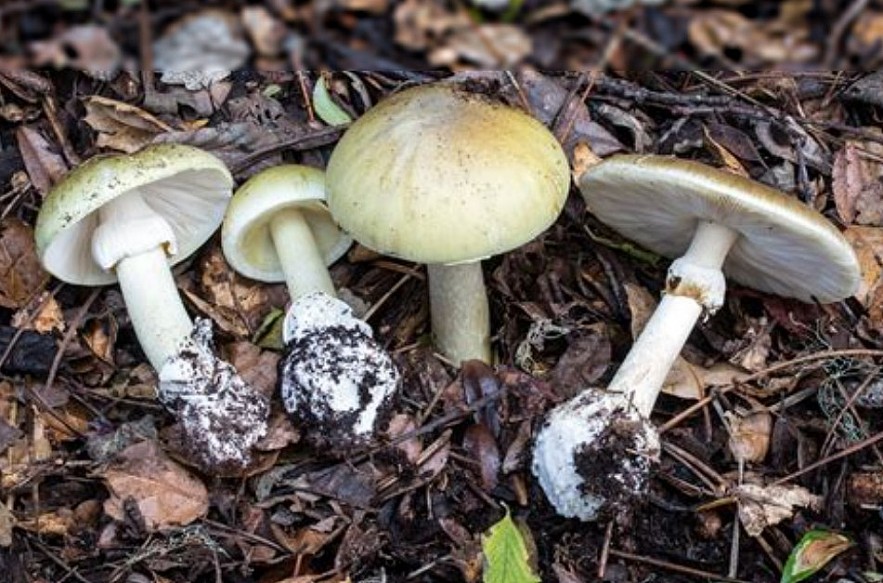
The culprit is almost certainly the death cap, a mushroom so toxic that even a small bite can cause organ failure. Its close relative, the destroying angel, is just as deadly and appears throughout California’s oak woodlands.
Despite the risks, interest in foraging continues to grow. If you venture outdoors this season, here is the practical, clear, and safety focused guidance you need.
What Is Happening in California Right Now
The recent incidents occurred in Monterey County and the San Francisco Bay Area, where residents collected mushrooms from local parks after seasonal rains. These rains trigger a surge in fungal growth from October through March, the period when the state sees the highest number of poisonings each year.
The California Poison Control System reports hundreds of wild mushroom exposures annually. Most cause illness, and a small number lead to life threatening liver damage or death. Children account for about half of mushroom ingestions nationwide, often after picking and tasting mushrooms found in yards or playgrounds.
The scale of recent cases has prompted state authorities to issue urgent warnings, advising residents not to eat any wild mushrooms unless verified by trained experts.
The Two Dangerous Mushrooms Every Californian Should Know
While many wild mushrooms can upset the stomach, two species dominate the most severe poisoning cases: death caps and destroying angels. Both contain amatoxins, which destroy liver cells and cannot be neutralized by cooking, drying, or freezing.
1. Death Cap (Amanita phalloides)
Where it grows:
Common in California’s coastal and low elevation forests. Especially abundant near oak trees, including in neighborhoods, parks, and trail systems.
What it looks like:
-
Cap ranges from greenish to yellow brown but color is unreliable
-
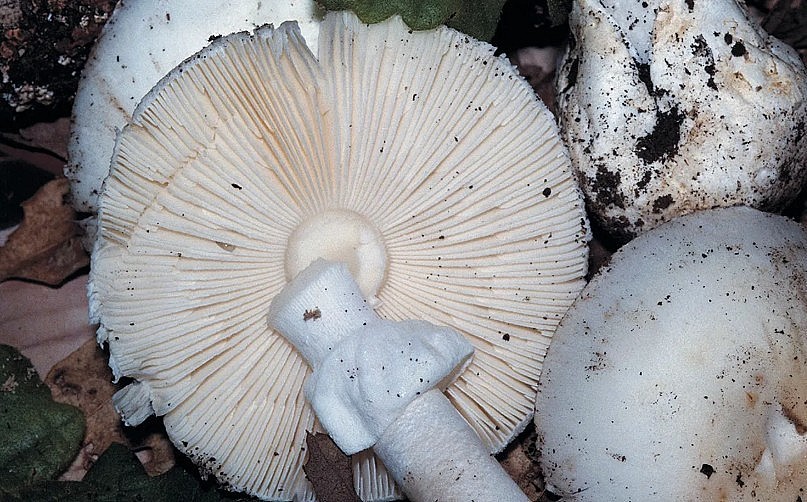
White gills
-
Pale stem with a skirtlike ring
-
A swollen bulb at the base wrapped in a white cup known as a volva
Why it is deadly:
Just one mushroom can kill an adult. It often resembles edible mushrooms used in Asian cuisine, which leads to tragic mistakes.
2. Destroying Angel (Amanita ocreata)
Where it grows:
Mostly in California and the Pacific Northwest, particularly under live oaks in late winter and early spring.
What it looks like:
-
Pure white cap, gills, stem, and ring
-
A volva at the base similar to the death cap
-
Young mushrooms appear like smooth white eggs, tempting to new foragers
Both species are dangerous because they look safe, taste mild, and often grow where people expect to find edible species.
 |
| California health officials issue urgent warning to mushroom foragers after deadly poisoning outbreak |
Symptoms You Should Never Ignore
Amatoxin poisoning follows a pattern that misleads many victims. The early improvement in symptoms can create a false sense of safety while liver damage continues silently.
Stage 1: The silent phase (6–24 hours after ingestion)
Little or no symptoms. Many people assume the mushroom was harmless.
Stage 2: Violent gastrointestinal phase (12–24 hours)
Severe vomiting, watery diarrhea, stomach cramping, and nausea. Dehydration becomes a risk.
Stage 3: The false recovery (24–48 hours)
Stomach symptoms ease, sometimes completely. Patients may stay home, believing they are past the worst. In reality, liver cells are being destroyed.
Stage 4: Liver failure (2–5 days)
Jaundice, confusion, bleeding, organ failure, and in severe cases, coma. Without aggressive treatment, the outcome can be fatal. Some survivors require liver transplants.
Any stomach symptoms after eating a wild mushroom should be treated as a medical emergency.
What To Do Immediately After Eating a Wild Mushroom
If someone may have consumed a wild mushroom in California, fast action is critical.
1. Call Poison Control at 1-800-222-1222
Call even if you are unsure whether the mushroom was toxic or if symptoms have not yet started. Specialists will guide you in real time.
2. Seek emergency medical care as soon as symptoms appear
Bring leftover mushrooms or photos of them. These can help physicians identify the toxin and choose the right treatment.
3. Do not attempt home remedies
Common myths such as drinking milk, taking charcoal pills without medical oversight, or inducing vomiting do not stop amatoxins.
4. Note the timeline
Write down when the mushroom was eaten and when symptoms started. This helps doctors gauge the severity and stage of poisoning.
Early treatment is the strongest predictor of survival in amatoxin cases.
Practical Safety Rules for Mushroom Foragers
Foraging does not need to be dangerous, but it demands discipline. Treat every outing with the seriousness it deserves.
1. Only eat mushrooms identified in person by a trained expert
Reading online guides or using apps is not enough. Apps often misidentify lookalikes, and a small error can lead to a fatal result.
2. Learn the killer traits, not just the edible ones
If you see any of the following, do not eat the mushroom:
-
White gills
-
White spore print
-
A ring on the stem
-
A bulbous base sitting in a cup (volva)
-
Growth under oak trees during rainy season
These traits are classic markers of toxic Amanita species.
3. Keep children and pets away from wild mushrooms
Children explore with their hands and mouths. Dogs often sniff and chew mushrooms before owners notice. Establish a simple rule: Look but never touch, and never taste.
4. Store foraged mushrooms separately
Use paper bags rather than plastic. Keep each species in its own bag to avoid cross contamination.
5. Only buy mushrooms from reputable sources
Farmers markets, supermarkets, and licensed vendors are safe. Unverified mushrooms from casual sellers or strangers should be avoided entirely.
6. When in doubt, leave it in the ground
No mushroom meal is worth a hospital stay or a transplant.
Why People Still Forage Despite the Risks
Foraging offers a sense of adventure, connection to nature, and culinary excitement. Many come from cultures where mushroom picking is a family tradition. The recent surge in outdoor recreation has also drawn new hobbyists into forests without the training needed to identify dangerous species.
Education is the key to making the hobby safe. With proper guidance, many edible mushrooms can be harvested responsibly, but California’s environment demands respect and caution.
Bottom Line
California’s rainy months bring beauty to the landscape but also awaken two of the most dangerous mushrooms in the world. With twenty one recent poisoning cases, one death, and children among the victims, the message is simple:
-
Do not eat wild mushrooms unless identified by a qualified expert.
-
Treat any stomach distress after wild mushroom consumption as an emergency.
-
Protect children and pets by teaching them to avoid all wild fungi.
Foraging can be rewarding, but amatoxin containing mushrooms do not forgive mistakes. Equip yourself with knowledge, stay cautious, and you can enjoy California’s forests safely.