Who Are Cesar Chavez and Dolores Huerta? Biography, Career, Family and Legacy



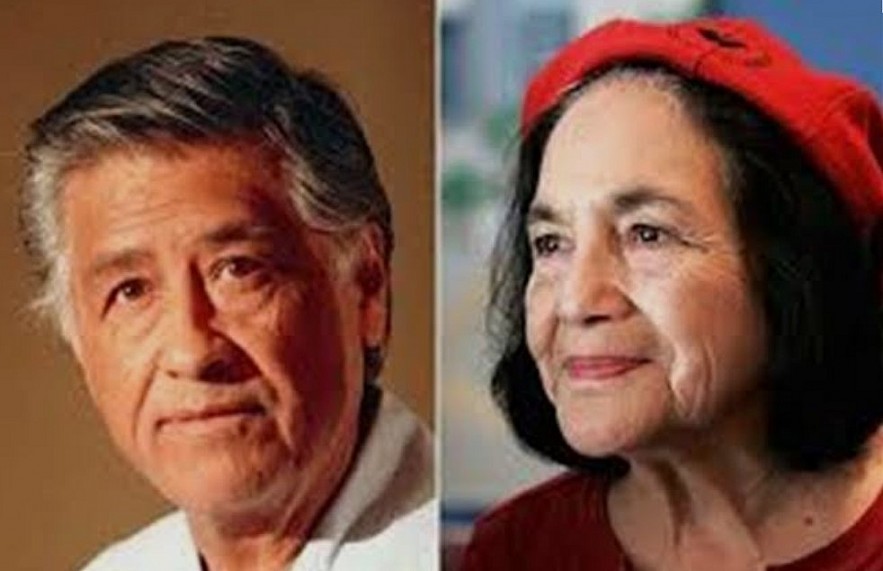 |
| Cesar Chavez and Dolores Huerta |
Cesar Chavez and Dolores Huerta are two of the most influential figures in the history of American labor rights. As co-founders of the United Farm Workers (UFW), they helped transform working conditions for farm laborers across the United States. Their legacy is widely recognized, though it has also been revisited in recent years amid renewed discussions about historical accountability.
This article provides a clear, up-to-date overview of who they were, their personal backgrounds, careers, families, and the controversies that have emerged over time.
Cesar Chavez: Biography, Early Life, and Rise to Prominence
Cesar Estrada Chavez was born on March 31, 1927, in Yuma, Arizona, into a Mexican-American family. After losing their farm during the Great Depression, his family became migrant workers, exposing Chavez early to the harsh realities of agricultural labor.
He served in the U.S. Navy before returning to civilian life and becoming involved in community organizing. Chavez later joined the Community Service Organization (CSO), where he developed his leadership skills.
In 1962, he co-founded the National Farm Workers Association, which later became the United Farm Workers (UFW). Through nonviolent protest tactics inspired by Mahatma Gandhi, Chavez led strikes, boycotts, and marches that brought national attention to farmworkers' rights.
Dolores Huerta: Background, Education, and Activism
Dolores Huerta was born on April 10, 1930, in Dawson, New Mexico. Raised by her mother after her parents divorced, Huerta grew up in California, where she was influenced by her mother’s community activism and business leadership.
She initially worked as a teacher but became frustrated with the poverty her students faced. This led her to join labor organizing efforts, eventually partnering with Cesar Chavez.
Huerta played a crucial role in organizing workers, negotiating contracts, and advocating for civil rights. She is credited with coining the slogan “Sí, se puede” (Yes, it can be done), which later became widely recognized in social justice movements.
Founding of the United Farm Workers (UFW)
Chavez and Huerta formally established the United Farm Workers in the 1960s. The organization focused on improving wages, working conditions, and legal protections for farmworkers, many of whom were immigrants and lacked basic labor rights.
Key achievements included:
-
The Delano grape strike (1965–1970)
-
Nationwide consumer boycotts
-
Collective bargaining agreements with major agricultural businesses
Their work led to significant improvements in labor standards and inspired broader civil rights activism.
Personal Lives and Families
Cesar Chavez married Helen Fabela in 1948, and the couple had eight children. Despite his public role, Chavez maintained a relatively private family life, though his commitment to activism often meant long absences from home.
Dolores Huerta had 11 children and balanced her family life with an intense career in organizing. She has often spoken about the challenges of motherhood while being deeply involved in activism.
Both leaders’ personal lives reflected the sacrifices often required in long-term social movements.
Controversies and Allegations
In recent years, discussions about Cesar Chavez’s legacy have included references to allegations of misconduct, including claims of sexual assault that have surfaced in some historical accounts and media reports.
It is important to note:
-
These allegations remain disputed and are not universally accepted as established fact.
-
There has been no widely recognized legal judgment confirming such claims.
-
Historians and scholars differ in their interpretations of these reports.
Dolores Huerta has not been the subject of similar allegations and continues to be widely respected as a civil rights leader. She remains active in advocacy through the Dolores Huerta Foundation.
Legacy and Ongoing Impact
Cesar Chavez passed away on April 23, 1993, but his influence continues. He is commemorated annually on Cesar Chavez Day in several U.S. states, and his work remains central to labor rights history.
Dolores Huerta, now in her 90s, continues to speak on issues such as workers’ rights, gender equality, and immigration reform.
Together, Chavez and Huerta reshaped the labor movement and left a lasting imprint on American society. While their contributions are widely celebrated, ongoing discussions about historical figures remind us that legacies can be complex and continually reassessed.
Conclusion
Cesar Chavez and Dolores Huerta were pivotal figures in the fight for farmworkers’ rights in the United States. Their biographies reflect resilience, activism, and significant social impact.
At the same time, modern perspectives encourage a nuanced understanding of historical leaders, balancing their achievements with ongoing scrutiny. For readers seeking a comprehensive view, it is essential to consider both their contributions and the broader context in which they lived and worked.