Who was Ndiaga Diagne? Inside the Austin Shooter’s Life, Background and the FBI Terror Inquiry

 |
| Austin mass shooter Ndiaga Diagne |
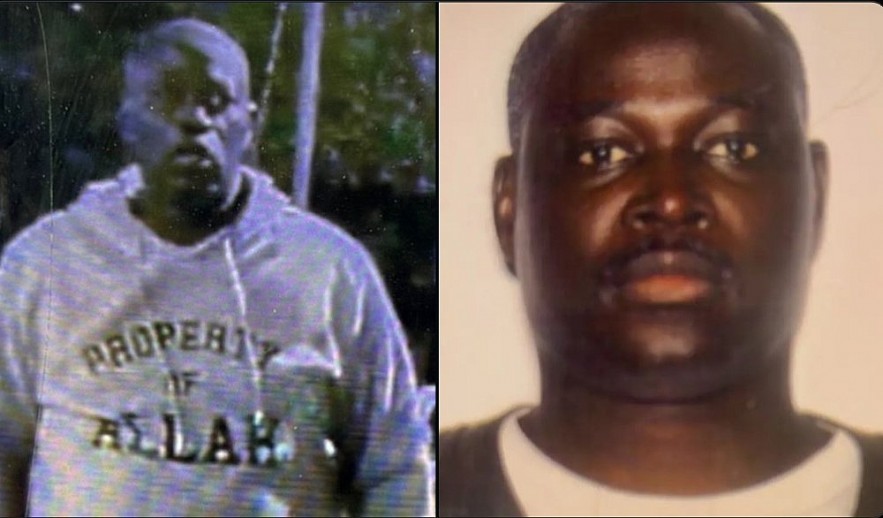
In the early hours of March 1, 2026, a packed nightlife strip in downtown Austin turned into a crime scene in minutes. Two people were killed, 14 others were wounded, and the gunman died after police confronted him near West Sixth Street, not far from the University of Texas campus. Authorities later identified the shooter as Ndiaga Diagne, 53, a naturalized U.S. citizen originally from Senegal.
Now, federal investigators are asking the big question: Was this an act of terrorism, or something else entirely? The FBI says it’s investigating a “potential nexus to terrorism,” pointing to “indicators” found on Diagne and in his vehicle.
Here’s what’s confirmed so far, what’s still unclear, and why Diagne’s story is drawing national attention.
The Austin mass shooting: what happened on Sixth Street
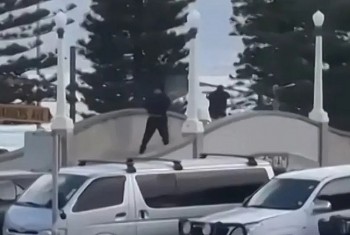
Austin Police Chief Lisa Davis said Diagne drove past Buford’s Backyard Beer Garden multiple times before stopping and opening fire from the window of his SUV at people gathered on the patio and in front of the bar. He then parked, got out with a rifle, and continued firing at people on the street before officers rushed in and shot him.
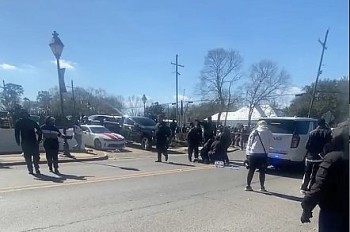
Emergency response was fast. Austin-Travis County EMS said 17 patients were treated at the scene; three people were pronounced dead (including the shooter) and 14 were transported to hospitals, with three in critical condition at last update. Officials said responders arrived in under a minute after the first call.
The location mattered, too. Sixth Street is one of Austin’s busiest weekend corridors, and police were already nearby because of the crowds. Investigators and city leaders have credited that heavy presence with limiting the death toll.
Who was Ndiaga Diagne?
Based on information released by the Department of Homeland Security (DHS) and reported by major outlets, Diagne’s immigration timeline looks like this:
-
Entered the U.S. in 2000 on a B-2 tourist visa
-
Became a lawful permanent resident in 2006 after marrying a U.S. citizen
-
Became a naturalized U.S. citizen in 2013
Investigators have not released many personal details beyond those basics. But two major threads are shaping the public picture of Diagne: (1) possible ideological signaling, and (2) reported mental health history.
Why the FBI is looking at terrorism
At a briefing, an FBI official said investigators found “indicators” suggesting a potential terrorism angle, while also stressing it’s too early to declare a motive. The FBI’s Joint Terrorism Task Force is involved, along with evidence-response and digital forensics teams.
So what are those “indicators”?
Multiple reports say Diagne was wearing clothing that included the phrase “Property of Allah” and Iran-related imagery. Authorities also found a Quran in his vehicle, according to reporting citing officials familiar with the investigation.
CBS News reported that after the shooting, officials executed a search warrant at his home and found an Iranian flag and pictures of Iranian leaders.
Timing is part of the inquiry as well. The shooting happened a day after the U.S. and Israel launched strikes against Iran, and officials have said they are examining whether those events played any role in Diagne’s actions.
Importantly, The Washington Post reported that Diagne was not under active monitoring by federal terrorism investigators before the attack, though investigators are still working through whether he drew any attention in the past.
Mental health and prior run-ins with police
Reuters reported that law enforcement officials described Diagne as having a history of mental health conditions, citing an internal update from the National Counterterrorism Center reviewed by Reuters.
Separately, the New York Post claimed Diagne had a history of arrests in New York and Texas over the years. Those specifics have not been fully detailed by Austin police or federal authorities in the official briefings reported by AP, Reuters, and The Washington Post.
What we still don’t know
Even with multiple agencies involved, major pieces are still missing:
-
A confirmed motive (terrorism, personal grievance, mental health crisis, or a mix)
-
How he obtained the firearms used in the attack
-
Whether he acted alone (so far, officials have not announced any co-conspirators)
-
Victims’ identities (not publicly released in the main wire reports at the time of publication)
For now, investigators are working backwards: digital footprint, travel history, associates, finances, and any evidence recovered from the SUV and home search.