Why Donald Trump Weighed In on Super Bowl LX Performers


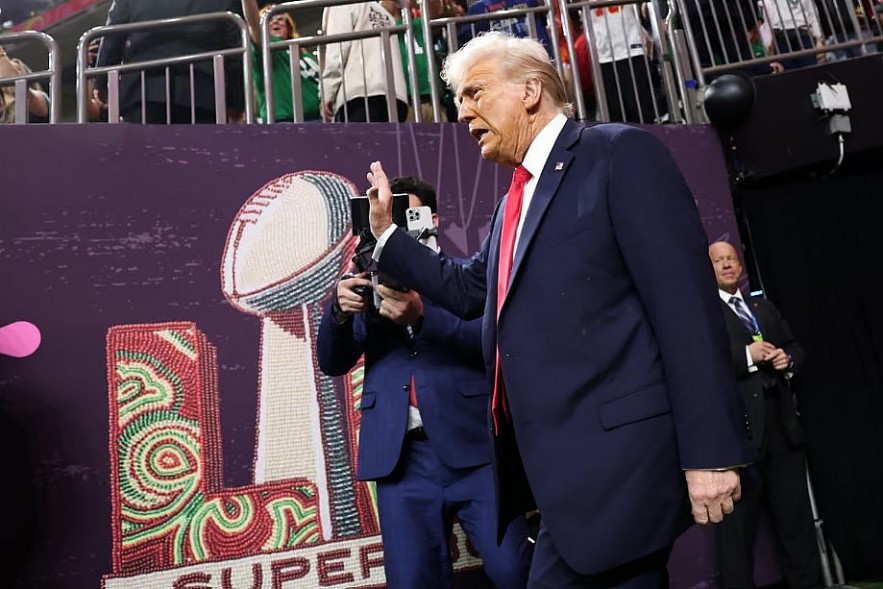 |
| Donald Trump will not attend Super Bowl because it’s ‘too far away’ |
When Donald Trump publicly commented on rumored performers for Super Bowl LX, including artists such as Bad Bunny and Green Day, it quickly became a national conversation.
The remarks were notable not because political figures rarely comment on pop culture, but because the Super Bowl halftime show has evolved into something far bigger than a musical performance. It now sits at the intersection of sports, entertainment, and cultural identity — a space that naturally draws attention from public figures across the spectrum.
Read more: Green Day to Open Super Bowl 60: Time, Date, Songs, And How to Watch
The Halftime Show’s Expanding Role
The Super Bowl halftime show consistently reaches one of the largest audiences of any televised event in the United States. As a result, performer selection is widely seen as a reflection of where the NFL believes its audience is headed.
In recent years, the league has increasingly featured:
-
Global artists with international reach
-
Performers popular with younger audiences
-
Musicians who resonate beyond traditional American football markets
Artists like Bad Bunny symbolize the NFL’s global ambitions and its focus on reaching diverse demographics. Established bands like Green Day bring cross-generational appeal and familiarity. Discussion around these choices is therefore less about individual taste and more about what the Super Bowl represents to different audiences.
Why Trump’s Comments Drew Attention
Trump’s public remarks fit within a broader pattern of engaging with high-profile cultural moments that attract widespread attention. The Super Bowl, watched by viewers across political, regional, and generational lines, remains one of the few events that reliably commands a unified national audience.
By commenting on potential performers, Trump inserted himself into an ongoing conversation many fans were already having: what the halftime show should be, who it should appeal to, and whether it should lean toward tradition or reflect contemporary trends.
Importantly, the comments did not alter the NFL’s process. Performer selections are typically finalized months in advance and involve league executives, broadcast partners, and sponsors. Still, public commentary underscores the cultural weight attached to the decision.
Why the NFL Typically Avoids Responding
The NFL rarely addresses external commentary about halftime performers, regardless of the source. This approach reflects a long-standing league philosophy: avoid amplifying debate while allowing public discussion to build interest organically.
From a business standpoint, heightened attention around the halftime show often increases viewership rather than detracting from it. Debate, speculation, and disagreement are now familiar elements of Super Bowl week.
A Recurring Pattern, Not a New One
Controversy or commentary surrounding Super Bowl performers is not unique to this year. Similar discussions have followed nearly every major halftime show in the modern era, particularly as musical tastes and audience demographics continue to evolve.
What Trump’s comments highlight is not a shift in NFL policy, but the reality that the halftime show has become a cultural reference point — one that invites opinions from far beyond the music industry.
Conclusion
Donald Trump’s remarks about potential Super Bowl LX performers illustrate how the halftime show has grown into a symbol larger than entertainment alone. As the NFL continues to balance tradition with global reach, its biggest stage will remain a focal point for discussion, interpretation, and debate.
The attention is not accidental. It reflects the Super Bowl’s unique position in American culture — where sports, music, and public conversation inevitably intersect.