Why Smaller Nations Could Be the Biggest Winners of World Cup 2026

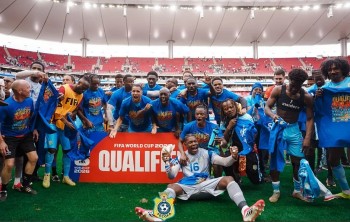 How many African Teams Qualified for 2026 World Cup? How many African Teams Qualified for 2026 World Cup? |
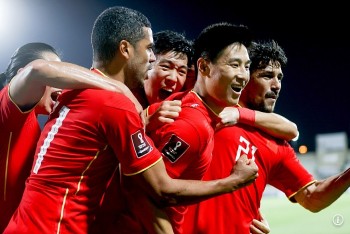 How Many Asian Teams Qualified for the 2026 World Cup? Full AFC List How Many Asian Teams Qualified for the 2026 World Cup? Full AFC List |
 |
| The expansion of FIFA World Cup 2026 to 48 teams is often framed as a commercial decision |
For decades, the FIFA World Cup has been dominated by a familiar circle.
Brazil, Germany, Argentina, France. A handful of elite football nations that not only win, but shape how the tournament feels. Smaller countries have always been part of the story, but rarely the main characters.
That balance is starting to shift.
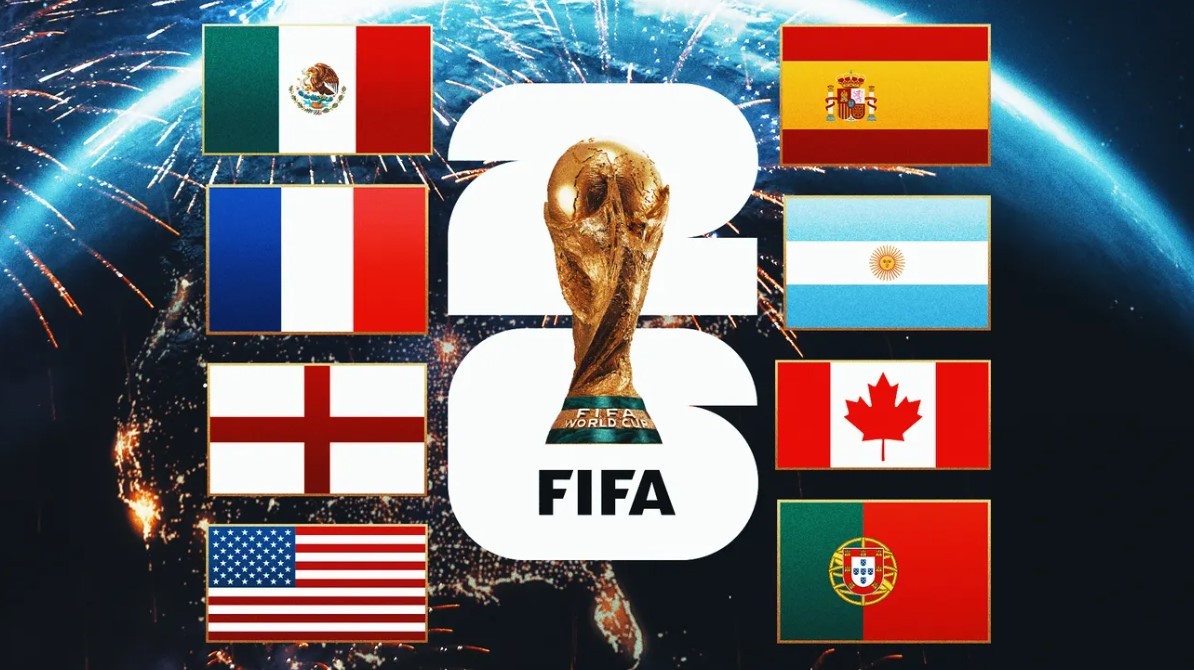
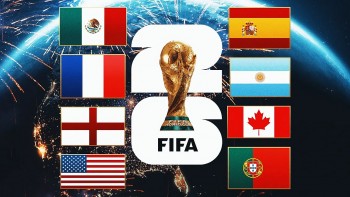
The expansion of FIFA World Cup 2026 to 48 teams is often framed as a commercial decision. More matches, more markets, more global reach. But beneath that surface lies a quieter transformation—one that could redefine the role of smaller football nations in the world’s biggest tournament.
In 2026, they are not just participants.
They may be the biggest beneficiaries.
Read more: How the 48-Team Format Will Change World Cup Upsets Forever
A wider door: Qualification is no longer the hardest part
Historically, many emerging football nations never even reached the World Cup stage. The qualification process itself was the biggest barrier.
That changes dramatically with expansion.
More slots mean more representation across continents. Africa, Asia, and CONCACAF are all expected to send significantly larger contingents. Teams that once hovered just outside qualification now find themselves with a realistic pathway to the finals.
That matters more than it seems.
Because for smaller nations, simply reaching the World Cup is transformative. It drives investment, improves infrastructure, and accelerates player development. A single appearance can change the trajectory of a national team for a decade.
And now, more teams get that opportunity.
The new format rewards resilience, not just dominance
In previous tournaments, smaller teams faced a brutal reality. To progress, they often needed to outperform at least one global powerhouse in a three-game group.
That was a high bar.
The 2026 format lowers it—not by making football easier, but by making progression more flexible. With third-placed teams now eligible to advance, smaller nations can build their campaigns around survival and efficiency.
A narrow loss. A disciplined draw. One well-taken chance.
That might be enough.
This shift favors teams that are tactically organized, defensively compact, and mentally resilient—qualities often associated with emerging football nations. They do not need to dominate possession or control the game. They need to stay competitive long enough to take advantage of key moments.
In tournament football, that is often enough.
More exposure means faster development
The World Cup is not just a competition. It is a global stage.
For players from smaller nations, it is the single biggest opportunity to be seen. Scouts, clubs, sponsors, and media all converge on the tournament. A strong performance in even one match can change a player’s career overnight.
We have seen this before.
Unknown players become transfer targets. Domestic leagues gain attention. Youth systems receive funding. Football becomes more visible at home.
With 48 teams, this effect multiplies.
More nations mean more stories. More players. More chances for breakout performances that shift the global football landscape in subtle but lasting ways.
The psychological edge: Nothing to lose, everything to gain
There is another factor that rarely shows up in statistics but often decides matches: pressure.
For elite teams, the World Cup is about expectation. Anything less than a deep run is considered failure. Every match carries weight, scrutiny, and consequence.
For smaller nations, the dynamic is different.
They arrive with freedom.
That freedom can be dangerous. It allows teams to play with intensity, take risks, and embrace moments that favorites might overthink. When a match stays level longer than expected, the pressure shifts. The underdog grows in belief. The favorite grows tense.
We have seen this pattern repeat across tournaments.
And in a format that keeps more teams alive longer, that psychological edge becomes even more important.
Diversity of styles is an underrated weapon
One of the most overlooked advantages smaller nations bring is tactical unpredictability.
Elite teams often face similar styles in top-level club football. High pressing, structured buildup, positional play. But international tournaments introduce variation.
Some smaller nations play direct and physical. Others rely on speed in transition. Some defend deep with discipline. Others disrupt rhythm with aggressive pressing. These differences can make matches uncomfortable for favorites who are used to controlling the tempo.
And discomfort creates mistakes.
The expanded World Cup increases the number of these stylistic clashes. More teams mean more approaches, more unfamiliar opponents, and more situations where preparation alone is not enough.
Travel, climate, and logistics may level the field
The 2026 tournament will be spread across three countries: the United States, Canada, and Mexico. That introduces significant travel distances, varying climates, and different altitudes.
For smaller nations, this could be an unexpected advantage.
Many are already used to adapting quickly. Their players often compete in different leagues around the world, across time zones and conditions. They are accustomed to change.
For favorites, especially those with tightly structured preparation routines, disruption can be more difficult. Long travel between matches, shifts in temperature, and unfamiliar environments can affect performance in subtle ways.
These factors will not decide every game.
But in a tight match, they can make the difference.
Momentum matters more in a longer tournament
A 48-team World Cup is not just bigger. It is longer.
More matches create more opportunities for momentum to build. A team that starts slowly can recover. A team that finds form at the right moment can carry it further than expected.
For smaller nations, this is critical.
They do not need to peak from the first match. They need to stay alive long enough to grow into the tournament. Confidence builds quickly in international football. One positive result can transform belief across the squad.
And belief, once established, is hard to stop.
This is not about replacing giants. It is about reshaping the story
It is unlikely that a smaller nation will win the 2026 World Cup.
History, depth, and resources still matter. The traditional powers will remain favorites. But focusing only on the eventual champion misses the bigger picture.
The real change is in the journey.
More smaller nations will:
- Reach the knockout stage
- Push elite teams to the limit
- Produce standout players
- Create defining moments
They will not just participate. They will influence how the tournament unfolds.
What this means for fans and global football
For fans, this shift makes the World Cup more engaging.
More competitive matches. More unknown teams to discover. More narratives that go beyond the usual contenders. The tournament becomes less predictable, more diverse, and more reflective of global football as it actually exists.
For the sport itself, the impact could be even deeper.
Greater inclusion leads to broader development. More investment flows into new regions. More young players see a pathway to the highest level. The gap between traditional and emerging nations may not disappear, but it will narrow.
And that is good for football.
The bottom line
The expansion to 48 teams is often debated in terms of quality versus quantity.
But that framing misses a key point.
This is not just an expansion of numbers. It is an expansion of opportunity.
Smaller nations will have more chances to qualify, more room to compete, and more ways to succeed within the tournament structure. They will play more meaningful matches, gain more exposure, and leave a larger mark on the global stage.
They may not lift the trophy.
But in 2026, they could shape the World Cup more than ever before.