5 Smart Ways to Save Fuel as Gas Prices Keep Climbing

 Fact-Check: Use Cooking Oil to Fill Up The Car As Gas Prices Surge Fact-Check: Use Cooking Oil to Fill Up The Car As Gas Prices Surge |
 Smart Ways to Save Money on Gas When Prices Are Rising Smart Ways to Save Money on Gas When Prices Are Rising |
 Best Day to Buy Gas in the U.S: Why Sunday Beats Midweek Best Day to Buy Gas in the U.S: Why Sunday Beats Midweek |
 |
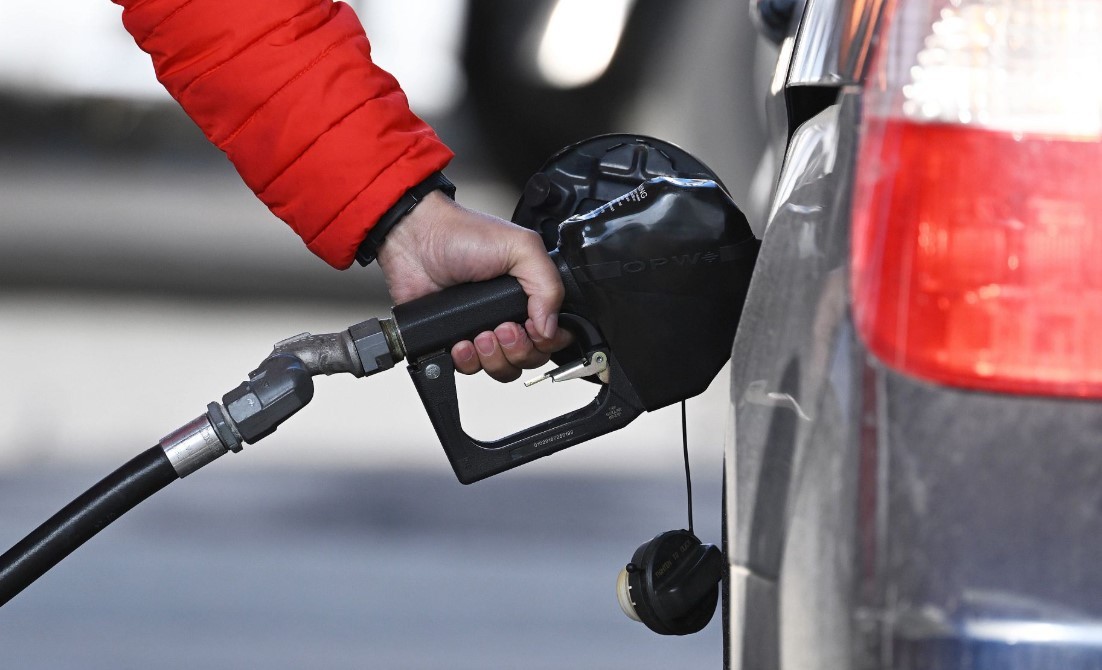
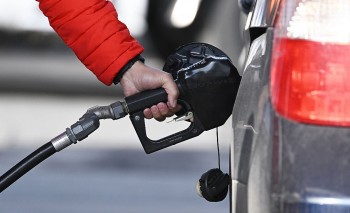
| Smart Ways to Save Money on Gas. Gettty Image |
As gas prices continue to rise across the United States, many drivers are feeling the pressure every time they fill up. While you cannot control the market, you can control how efficiently your vehicle uses fuel. Experts say small, consistent changes in driving habits and vehicle maintenance can lead to noticeable savings over time.
1. Keep Your Tires Properly Inflated
Underinflated tires are one of the most overlooked causes of poor fuel economy. When tire pressure is too low, it increases rolling resistance, meaning your engine has to work harder to move the car forward.
According to energy experts, properly inflated tires can improve fuel efficiency by around 3 percent. That may sound small, but over a year of driving, it adds up. Check your tire pressure at least once a month and before long trips, especially during seasonal temperature changes.
2. Drive at a Steady, Moderate Speed
Speed has a direct impact on how much fuel your car consumes. Most vehicles reach optimal fuel efficiency at moderate highway speeds, typically around 55 to 65 mph. Once you go beyond that range, fuel economy drops quickly.
Using cruise control on highways can help maintain a consistent speed and avoid unnecessary fuel burn. Even easing off the accelerator slightly during long drives can make a measurable difference.
3. Avoid Aggressive Driving
Rapid acceleration and hard braking waste more fuel than most drivers realize. Aggressive driving can reduce gas mileage by up to 30 percent on highways and even more in stop-and-go city traffic.
Instead, aim for smooth, gradual acceleration and anticipate traffic flow ahead. Coasting toward red lights and avoiding sudden stops not only saves fuel but also reduces wear and tear on your vehicle.
4. Reduce Weight and Aerodynamic Drag
Carrying unnecessary items in your trunk or back seat adds extra weight, forcing your engine to use more fuel. Roof racks, cargo boxes, and bike carriers can also increase aerodynamic drag, especially at highway speeds.
If you are not using these accessories regularly, remove them. Keeping your vehicle as light and streamlined as possible is a simple but effective way to improve fuel efficiency, particularly for long-distance driving.
5. Plan Trips and Fuel Stops Strategically
Fuel savings are not just about how you drive but also how you plan. Combining errands into one trip reduces total mileage. Avoiding peak traffic hours can prevent idling and stop-and-go driving, both of which waste fuel.
In addition, fuel prices can vary significantly between stations. Using apps like GasBuddy or navigation tools such as Google Maps and Waze can help you find cheaper gas nearby. Over time, choosing where and when to fill up can lead to meaningful savings.
The Bottom Line
Rising gas prices are likely to remain a concern in 2026, but drivers are not powerless. By maintaining your vehicle, adjusting your driving habits, and planning more efficiently, you can cut fuel costs without making major lifestyle changes.
Individually, these strategies may seem minor. Together, they can significantly reduce how often you visit the pump—and how much you spend when you do.