Christmas Messages That Avoid Religious Language Completely

 Christmas Messages for People Who Don’t Celebrate Christmas Christmas Messages for People Who Don’t Celebrate Christmas |
 Short Christmas Text Messages for Coworkers You Barely Know Short Christmas Text Messages for Coworkers You Barely Know |
 Christmas Messages for Remote Teams Across Different Time Zones Christmas Messages for Remote Teams Across Different Time Zones |
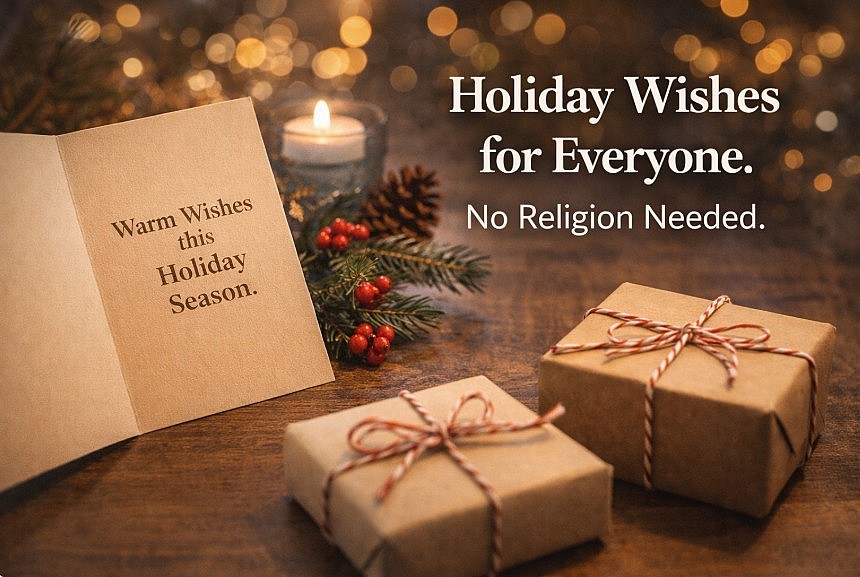 |
| Non religious Christmas wishes |
Not everyone celebrates Christmas in a religious way. Some people don’t celebrate it at all. Yet December is still a time when messages are exchanged everywhere: at work, in inboxes, in group chats, and on public websites.
That creates a common problem.
How do you send a message that feels kind and seasonal without mentioning God, Jesus, or religious traditions?
This article focuses on: non religious Christmas wishes and secular holiday messages that rely on warmth, gratitude, and year-end reflection instead of faith-based language
Why Avoiding Religious Language Matters
In global, professional, and multicultural environments, religious references can unintentionally exclude people. Even phrases that feel “normal” to some readers may feel uncomfortable or inappropriate to others.
Common situations where religious language can be risky:
-
International workplaces
-
Public-facing websites and newsletters
-
Schools and universities
-
Customer or client communications
-
Mixed-belief families or social groups
Using secular holiday messages is not about being cold or overly careful. It’s about respect and clarity.
What Makes a Message Truly Non-Religious?
A non-religious holiday message usually has three defining features:
1. No religious references
No mention of God, Jesus, prayer, blessings, or faith-based imagery.
2. Seasonal, not spiritual
It focuses on the holiday season, the end of the year, rest, or togetherness.
3. Universally relatable themes
Gratitude, reflection, hope, and fresh starts work across cultures and beliefs.
Good secular messages sound human, not sanitized.
Language That Works: What to Say Instead
If you want to avoid religious language completely, these phrases are reliable:
-
“holiday season”
-
“year-end” or “end of the year”
-
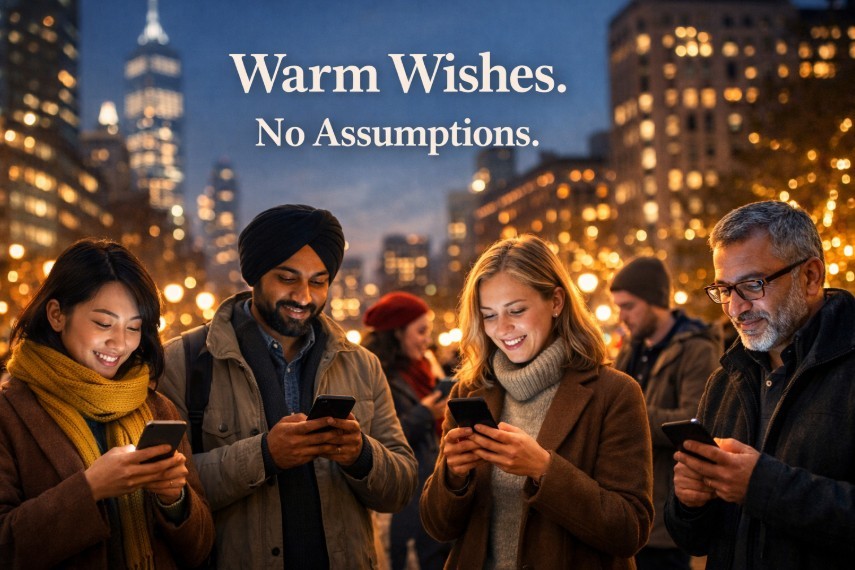
“warm wishes”
-
“time to rest and recharge”
-
“wishing you well”
-
“a positive start to the new year”
These expressions communicate care without assuming beliefs.
Examples of Non-Religious Christmas Wishes
Below are practical examples you can use or adapt. None include religious language, yet all feel warm and intentional.
Neutral and Polite
-
“Warm wishes to you this holiday season.”
-
“Wishing you a peaceful end of the year and a great start to the next.”
Friendly and Personal
-
“Hope the holiday season brings you rest and good moments.”
-
“Thinking of you as the year comes to a close.”
Professional (Work or Business)
-
“Thank you for your support this year. Wishing you a smooth year-end and continued success.”
-
“Best wishes for the holiday season and the year ahead.”
Short and Minimal
-
“Warm holiday wishes.”
-
“All the best for the year ahead.”
Each of these messages works in emails, cards, texts, or social posts.
Secular Holiday Messages for Workplaces
Work environments benefit the most from non-religious messaging. A single neutral message can include everyone without drawing attention to differences.
Good workplace examples:
-
“Happy holidays to the team. Thank you for your work this year.”
-
“Wishing everyone a restful holiday season and a strong start to the new year.”
Avoid:
-
Religious greetings
-
Seasonal jokes that rely on cultural knowledge
-
Overly emotional language
Professional does not mean distant. It means appropriate.
Non-Religious Messages for Public Audiences
If you’re writing for a website, brand, or newsletter, your message should feel inclusive by default.
Public-facing messages should:
-
Avoid assumptions
-
Use simple, clear language
-
Focus on shared experiences
Example:
“As the year comes to a close, we’d like to thank you for being part of our journey. Warm wishes for the holiday season and the year ahead.”
This kind of message works globally and ages well over time.
Common Mistakes to Avoid
Even when trying to be inclusive, some messages still miss the mark.
Using “Christmas” automatically
If your goal is non-religious messaging, “holiday season” is safer.
Replacing religion with forced cheer
Not everyone feels joyful at year-end. Neutral warmth is better than exaggerated happiness.
Over-explaining inclusivity
You don’t need disclaimers. Simple language does the work for you.
Mixing messages
Avoid combining secular language with subtle religious phrases. Consistency matters.
Final Thoughts
You don’t need religious language to be thoughtful. You don’t need Christmas symbolism to show care. And you don’t need to assume beliefs to connect with people.
Non-religious Christmas wishes focus on what most people actually share at this time of year: reflection, kindness, and a hope for better days ahead.
When in doubt, choose warmth over tradition, clarity over custom, and inclusion over habit. Those messages tend to resonate the longest.