How Low-Income Americans Can Watch TV for Free (or Under $3 a Month) in 2026

 |
| You Don’t Need Cable Anymore: How Low-Income Americans Watch TV for Almost Nothing |
Why Cable TV Is No Longer Affordable for Many Americans
For decades, cable TV was treated like a basic household utility. Today, it’s one of the easiest bills to cut.
Monthly cable packages in the U.S. often cost $100 or more once fees, equipment rentals, and local taxes are added. For low-income households, seniors on fixed incomes, and families already struggling with rent and food prices, that cost no longer makes sense.
At the same time, the TV landscape has changed. In 2026, Americans have more free and legal options than ever before, many of which didn’t exist just a few years ago.
Read more: The Cheapest Ways To Watch TV In The US Today
The Cheapest Way to Watch Live TV: Free Over-the-Air Antennas
What over-the-air TV actually gives you
A simple HDTV antenna lets you watch local broadcast channels for free, including:
-
ABC
-
CBS
-
NBC
-
FOX
-
PBS
-
Local news, weather, and emergency alerts
Major live events, including election coverage and championship sports games, are still broadcast over the air.
How much an antenna really costs
-
One-time cost: $10–$30
-
Monthly cost: $0
There’s no subscription, no contract, and no internet required. Once it’s set up, it just works.
According to Consumer Reports, antenna TV remains one of the most cost-effective ways to access live television in the U.S.
Who benefits most from antenna TV
-
Renters who don’t want long contracts
-
Seniors who watch news and local channels
-
Families who want live TV without monthly bills
Free Streaming TV Apps Most Americans Don’t Use
What is FAST streaming?
FAST stands for Free Ad-Supported Streaming TV. These services look and feel like cable TV, but they are completely free. You watch ads instead of paying a monthly bill.
The most reliable free streaming services in 2026
-
Pluto TV – Hundreds of live channels covering news, movies, sports, and classic TV
https://pluto.tv -
Tubi – A large on-demand library of movies and TV shows
https://tubi.tv -
The Roku Channel – Free live channels and original programming
https://therokuchannel.roku.com -
Amazon Freevee – Free shows and movies backed by Amazon
https://www.amazon.com/freevee
These platforms are legal, widely used, and supported by major media companies.
Pros and cons of free streaming TV
Pros
-
$0 monthly cost
-
No credit card required
-
Large content libraries
Cons
-
Ads are unavoidable
-
Some shows are older
For many Americans, FAST services replace cable entirely when combined with an antenna.
The Cheapest Paid Streaming Option in the U.S. in 2026
When paying a little makes sense
Some viewers want fewer ads or more polished content. For them, the cheapest paid option stands out.
How a $2.99 service compares to Netflix
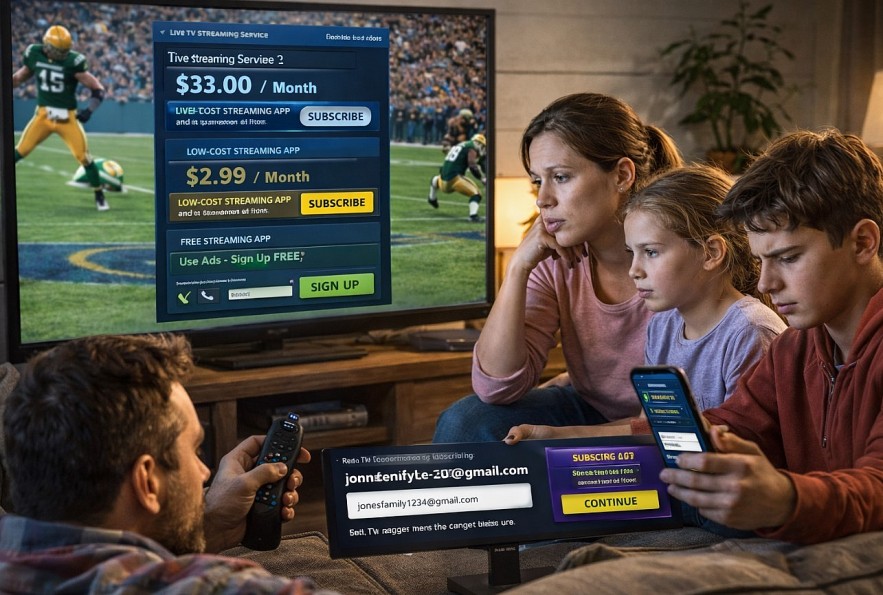
Howdy by Roku costs about $2.99 per month and removes ads entirely. It offers a rotating selection of movies and TV shows from well-known studios.
It’s not a replacement for premium services like Netflix, but it fills the gap between “free” and “expensive.”
Industry coverage from The Verge explains why Roku launched this ultra-low-cost option:
https://www.theverge.com/tv/roku-howdy-subscription-service
If You Still Want Cable-Style Live TV, These Are the Cheapest Options
Some households still want a traditional channel lineup. If that’s the case, these are the lowest-cost legal choices.
The lowest-priced live TV services
-
Philo – About $33 per month
https://www.philo.com -
Sling TV – Starts around $30 per month
https://www.sling.com
These services cost far less than cable but still provide live channels.
What you don’t get at lower prices
-
Fewer sports channels
-
Limited local stations
-
Add-ons increase costs
They are best used selectively, not as permanent replacements for cable.
One-Time Devices That Can Save You Hundreds Each Year
Why a cheap streaming device matters
You don’t need a new TV to cut your bill. A simple streaming stick turns almost any TV into a smart TV.
What to buy once and never pay again
-
Roku Streaming Stick: about $25–$30
This single purchase unlocks nearly every free and low-cost streaming option mentioned above.
Read more: 30 Best Free Streaming Sites For Watching Movies & TV Shows Online
What Low-Income Americans Should Avoid Paying For
Why traditional cable is the worst value
Cable bundles charge for dozens of channels most people never watch. Fees increase over time, and canceling often comes with hassles.
Common mistakes that raise monthly bills
-
Paying for multiple streaming services at once
-
Forgetting to cancel free trials
-
Renting equipment instead of buying it
A simple setup beats an overloaded one every time.
A Realistic $0–$3 TV Setup for 2026
One-time costs
-
Indoor HDTV antenna: ~$20
-
Streaming stick: ~$25
Monthly costs
-
Free streaming apps: $0
-
Optional low-cost subscription: ~$2.99
What to expect
-
Live local TV
-
News, movies, and shows
-
No cable bill
This setup is already used by millions of Americans.
Final Thoughts: TV Doesn’t Have to Be a Financial Burden
Watching TV should not feel like a luxury. In 2026, Americans on tight budgets have real, legal alternatives to expensive cable.
With a small one-time investment and smart choices, it’s possible to stay informed and entertained without adding stress to your finances.