Inside the ICE Detention of a Minnesota Man and His 2-Year-Old Daughter

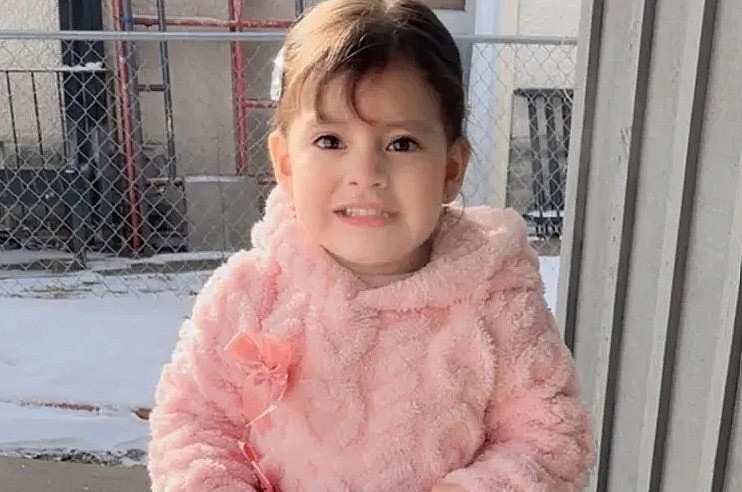 |
| Chloe Renata Tipan Villacis - US immigration agents detain 2-year-old in violent Minneapolis raid |
When federal immigration agents detained a Minnesota man and his 2-year-old daughter on January 22, 2026, the case might have remained a routine enforcement action. Instead, it became a national flashpoint after a federal judge ordered the child released — and she was flown out of state anyway.
Court records, sworn affidavits, and official government statements now allow a clearer picture of what happened, what remains disputed, and why the case has drawn such intense scrutiny.
Read more: What Really Happened in the Alex Pretti Shooting? Look at the Video Evidence
The Individuals Involved
The father has been identified in court filings as Juan Carlos Villacis, an Ecuadorian national who had been living in Minneapolis. His daughter, Chloe Renata Tipan Villacis, is two years old. Chloe’s mother, who lives in Minnesota, is not accused of any crime.
The child’s detention — not her father’s arrest — is the central issue in the case.
The Arrest in South Minneapolis
On the afternoon of January 22, officers with U.S. Immigration and Customs Enforcement carried out what the agency later described as a targeted enforcement operation in south Minneapolis.
According to affidavits filed by Villacis’s attorney, ICE agents stopped his vehicle while Chloe was inside. The filings allege that agents broke a window of the vehicle during the stop, despite knowing a toddler was present.
Federal officials acknowledge that a window was broken but say the action occurred only after Villacis failed to comply with repeated commands to exit the vehicle. In a written statement, the Department of Homeland Security said officers acted out of concern for safety.
No body camera or dashboard footage has been released publicly, leaving parts of the encounter unresolved.
A Toddler Taken Into Custody
After the arrest, both Villacis and his daughter were taken into ICE custody. That decision quickly triggered legal action.
Family attorneys say Chloe’s mother was available and willing to take custody of her daughter but was not allowed to do so. DHS disputes that claim, stating that officers attempted to reunite the child with her mother and that the mother declined at the time.
No independent documentation has been made public to definitively confirm either version. The dispute over whether a handoff was offered or denied remains one of the case’s key unresolved facts.
Read more: Another Shooting Involving ICE Agents Raises Alarm After Minneapolis Death
The Emergency Court Order
At 5:37 p.m., attorneys for Villacis filed an emergency petition in federal court seeking Chloe’s immediate release.
At approximately 8:11 p.m., U.S. District Judge Katherine Menendez issued a written order. The judge barred federal authorities from transferring Chloe out of Minnesota and required that she be released to her attorney by 9:30 p.m., citing the risk of “irreparable harm” to the child.
The order was explicit and time-sensitive.
The Flight to Texas
Roughly 20 minutes after the order was issued, ICE placed both Villacis and Chloe on a commercial flight to Texas.
Government attorneys later argued that the transfer process was already underway and could not be halted in time. Attorneys for the family argue that the transfer directly violated the court’s order.
The narrow window between the order and the flight’s departure has become a central legal issue and may determine whether the agency acted unlawfully.
Return of the Child
Within about 24 hours, federal authorities returned Chloe to Minnesota. She was reunited with her mother and has not been re-detained.
ICE confirmed that Chloe is no longer in federal custody. Villacis, however, remains detained pending immigration proceedings.
Read more: Protests Erupt Across the U.S. After Minneapolis ICE Shooting
Why the Case Matters
Some facts are undisputed: a named toddler was taken into immigration custody, a federal judge ordered her release, and she was transferred out of state shortly afterward.
Legal experts say the case raises serious questions about how immigration enforcement interacts with child welfare, emergency court orders, and parental rights. Advocacy groups argue the incident exposes systemic gaps in safeguards for children during enforcement actions. Federal officials maintain they acted lawfully and in the child’s best interest.
As the legal process continues, the detention of Juan Carlos Villacis and his daughter stands as a rare, well-documented case showing how quickly immigration enforcement can collide with judicial authority — and how children can be caught in the middle.