Who Joined Trump’s Board of Peace and Who Refused: The Full Global List

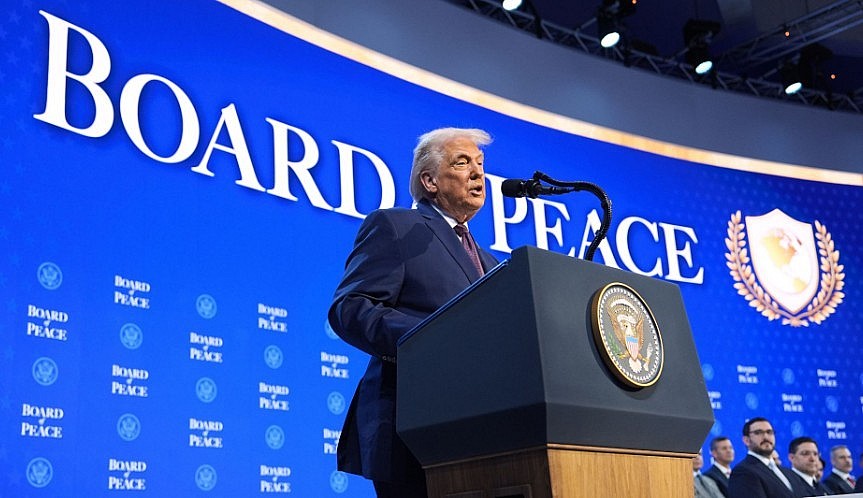 |
| Trump opens signing ceremony for Board of Peace in Davos |
Countries Joining Trump’s Board of Peace: Full Updated List
Donald Trump’s Board of Peace initiative has prompted mixed reactions from the global community, with a significant group of countries signing on, a collection of key nations declining participation, and numerous states still weighing their commitment. Launched at the World Economic Forum in Davos in January 2026, this U.S.-led diplomatic effort aims to broaden peace efforts initially focused on Gaza to a wider global conflict-resolution mandate.
Countries Confirmed to Join
As of late January 2026, 22 countries have publicly confirmed that they intend to participate in the Board of Peace. These nations represent a mix of regional powers, emerging states, and U.S. partners who attended or publicly supported the launch in Davos. The Associated Press and international reporting list the following confirmed participants:
-
Argentina
-
Albania
-
Armenia
-
Azerbaijan
-
Bahrain
-
Belarus
-
Bulgaria
-
Egypt
-
Hungary
-
Indonesia
-
Jordan
-
Kazakhstan
-
Kosovo
-
Morocco
-
Mongolia
-
Pakistan
-
Qatar
-
Saudi Arabia
-
Turkey
-
United Arab Emirates
-
Uzbekistan
-
Vietnam
Several of these governments attended the signing ceremony or issued official statements indicating support for the initiative’s goals, which include promoting peace, reconstruction, and broader diplomatic cooperation.
Nations That Have Declined Participation
A number of prominent European democracies and Western allies have rejected the invitation to join the Board of Peace, citing concerns about legality, overlaps with the United Nations, and broader geopolitical implications. Major nations publicly stating they will not join at least for now include:
-
France
-
Norway
-
Sweden
-
Slovenia
-
United Kingdom
These governments have often framed their refusal around a defense of established multilateral frameworks such as the United Nations and a reluctance to participate in new structures perceived as duplicating or undermining them.
Countries Still Undecided
A wide group of invited states — including some major global players — have not yet committed publicly to joining the Board of Peace. Diplomats from these nations say they are still reviewing the initiative’s scope, legal basis, or potential impacts on existing alliances. According to reporting, undecided or noncommittal countries include:
-
Cambodia
-
China
-
Croatia
-
Cyprus
-
Germany
-
Greece
-
India
-
Italy
-
European Union executive arm
-
Paraguay
-
Russia
-
Singapore
-
Thailand
-
Ukraine
Notably, countries like China, Germany, and India have acknowledged invitations but publicly stopped short of confirming whether they will join the board. The EU’s executive institutions also remain cautious, emphasizing existing multilateral frameworks and consultation with member states.
Diplomatic Reactions and Context
The Board of Peace was unveiled against a backdrop of broader global tension and reluctance from several established U.S. partners. Critics argue that the initiative’s expanded role beyond the Gaza ceasefire into global conflict mediation could inadvertently undercut the United Nations’ central position in international peace efforts. European leaders, including the Greek Prime Minister, have publicly stated that the initiative “goes way beyond” accepted international mandates, limiting broader European participation.
The United States expects approximately 30 countries to join eventually, with around 50 invited overall, though some invitations — such as Canada’s — have been rescinded after diplomatic disagreements emerged.
What This Means Going Forward
The evolving list of participants underscores a divided international response. While several Middle Eastern, Asian, and smaller European states have chosen to participate, many influential Western powers remain hesitant or opposed. Whether the Board of Peace can become a substantive diplomatic body — and how its membership might grow — will be watched closely as geopolitical fault lines deepen in 2026.