Iran, Israel Strike Energy Sites as Conflict Escalates Across Middle East


 |
| Iran and Israel Trade Strikes on Energy Facilities as War Deepens |
Iran and Israel have intensified their confrontation by targeting key energy infrastructure, signaling a sharp escalation that is reverberating across global energy markets and heightening fears of a wider regional conflict.
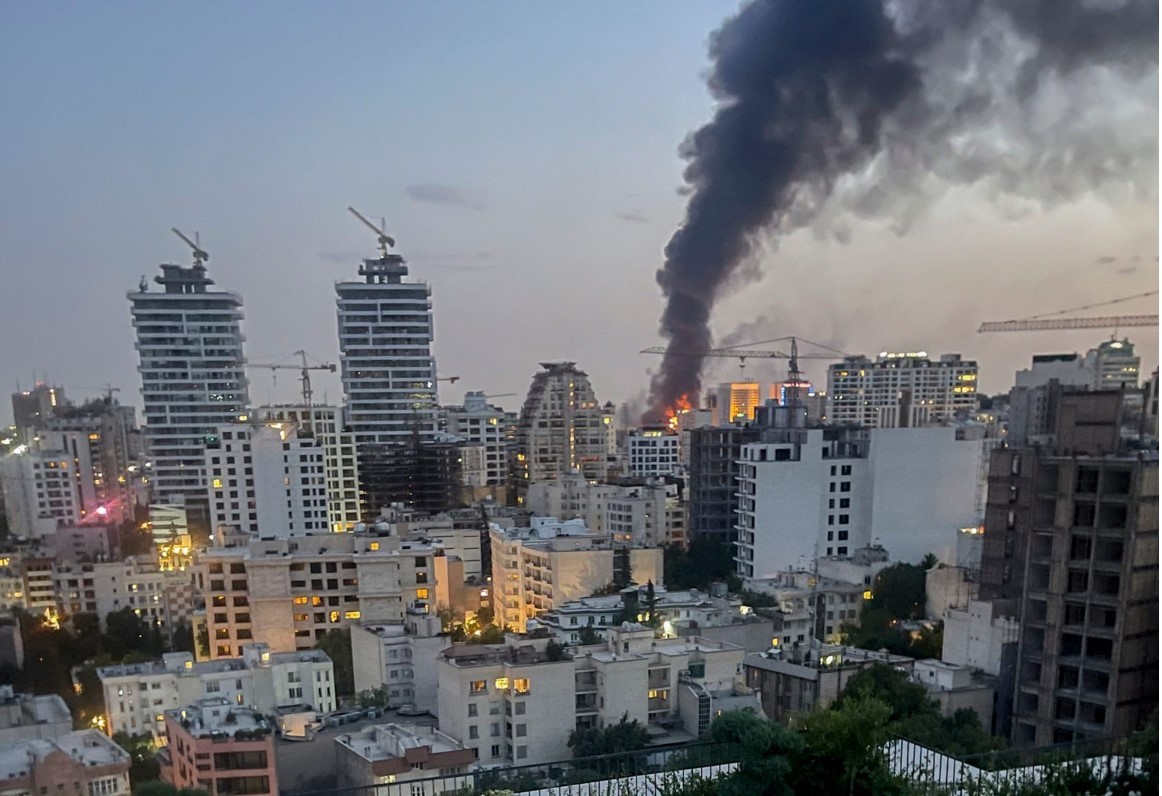
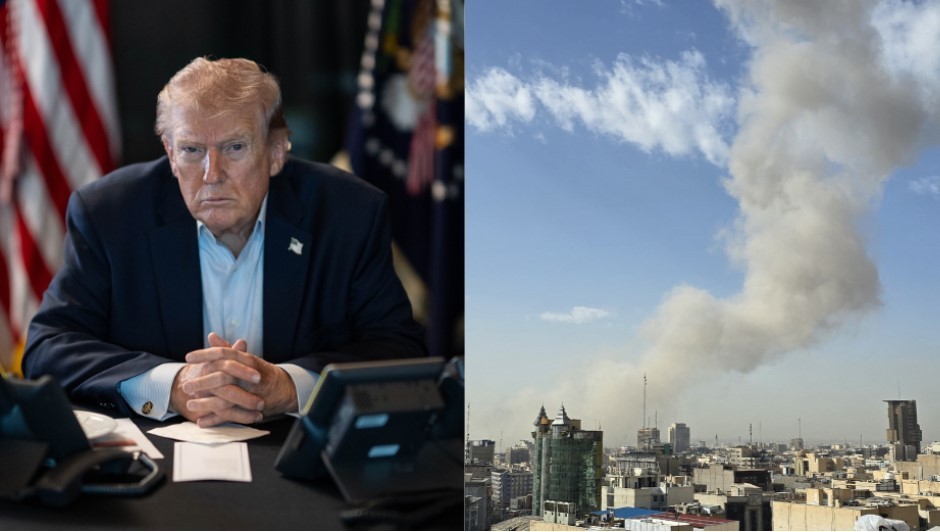
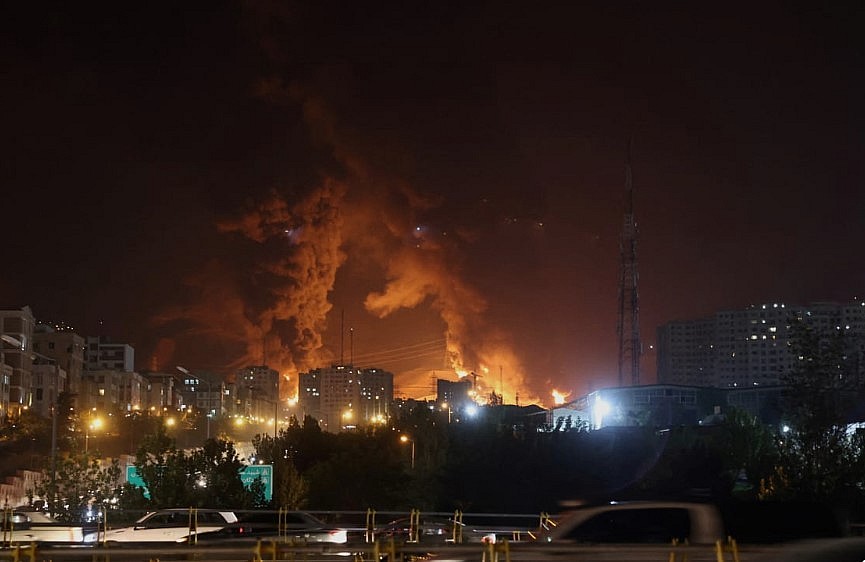
Strikes reported this week hit parts of Iran’s South Pars gas field and nearby facilities in Asaluyeh, a critical hub for the country’s natural gas production. Iranian authorities confirmed fires at several sites, while analysts described the attacks as among the most significant blows to Iran’s energy sector in the current phase of the conflict.
South Pars, shared with Qatar, is one of the world’s largest natural gas reserves and central to Iran’s domestic energy supply. Damage to the field risks not only local disruption but also broader uncertainty in global gas markets already strained by geopolitical tensions.
Tehran responded by warning it could target energy infrastructure across the Gulf, including facilities in Saudi Arabia, the United Arab Emirates and Qatar. Subsequent reports of missile and drone activity have increased concerns that the conflict could expand beyond the two countries and draw in regional actors.
The escalation has also renewed focus on the Strait of Hormuz, a narrow waterway through which roughly a fifth of the world’s oil supply passes. Any disruption to shipping through the strait would have immediate global consequences, particularly for oil-importing economies in Asia and Europe.
Energy markets reacted swiftly. Brent crude prices climbed above $100 per barrel, while natural gas benchmarks in Europe also moved higher. Traders cited fears that continued strikes on production sites, storage facilities or shipping routes could tighten supply in the short term and increase volatility in the months ahead.
Analysts say the latest developments mark a shift in the nature of the Iran-Israel conflict. While previous confrontations often remained limited or indirect, the direct targeting of energy infrastructure introduces a new layer of economic risk.
“Iran Israel energy strikes are no longer symbolic,” one regional analyst said. “They are hitting assets that matter globally.”
Iran, a key member of OPEC, relies heavily on exports from terminals such as Kharg Island, while its domestic economy depends on stable gas production from South Pars. Any sustained damage could strain internal supply and reduce export capacity.
For Israel, the strikes reflect a broader strategy of applying pressure on strategic infrastructure, though officials have not publicly detailed specific operations.
There is, for now, no clear sign of de-escalation. Diplomatic efforts remain limited, and both sides appear prepared for further retaliation. As the conflict deepens, the risk is no longer confined to military confrontation but extends to global energy security.
What is emerging is not just another flare-up, but a conflict increasingly defined by its impact on the world’s energy system.