Why Oil Prices Are Surging Again as Energy Facilities Under Fire

 |
| Oil prices top $107 after Iran threatens oil facilities in Saudi Arabia, UAE and Qatar |
Global oil prices have climbed back above $100 per barrel, driven by a sharp escalation in attacks on energy infrastructure across the Middle East. The latest wave of strikes has intensified fears of prolonged supply disruptions, sending shockwaves through global markets and raising concerns about inflation and economic stability.
It signals a structural shift in geopolitical risk that is tightening supply expectations and shaking confidence across global energy markets.
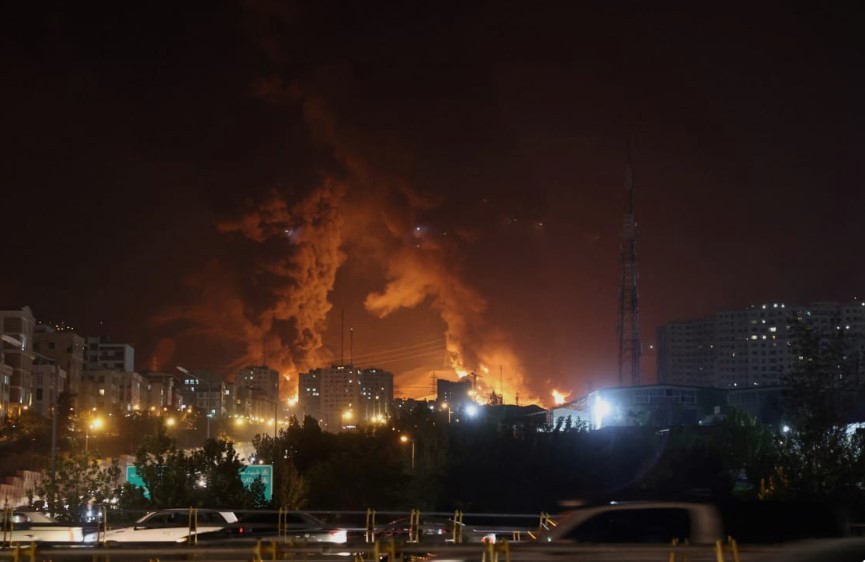
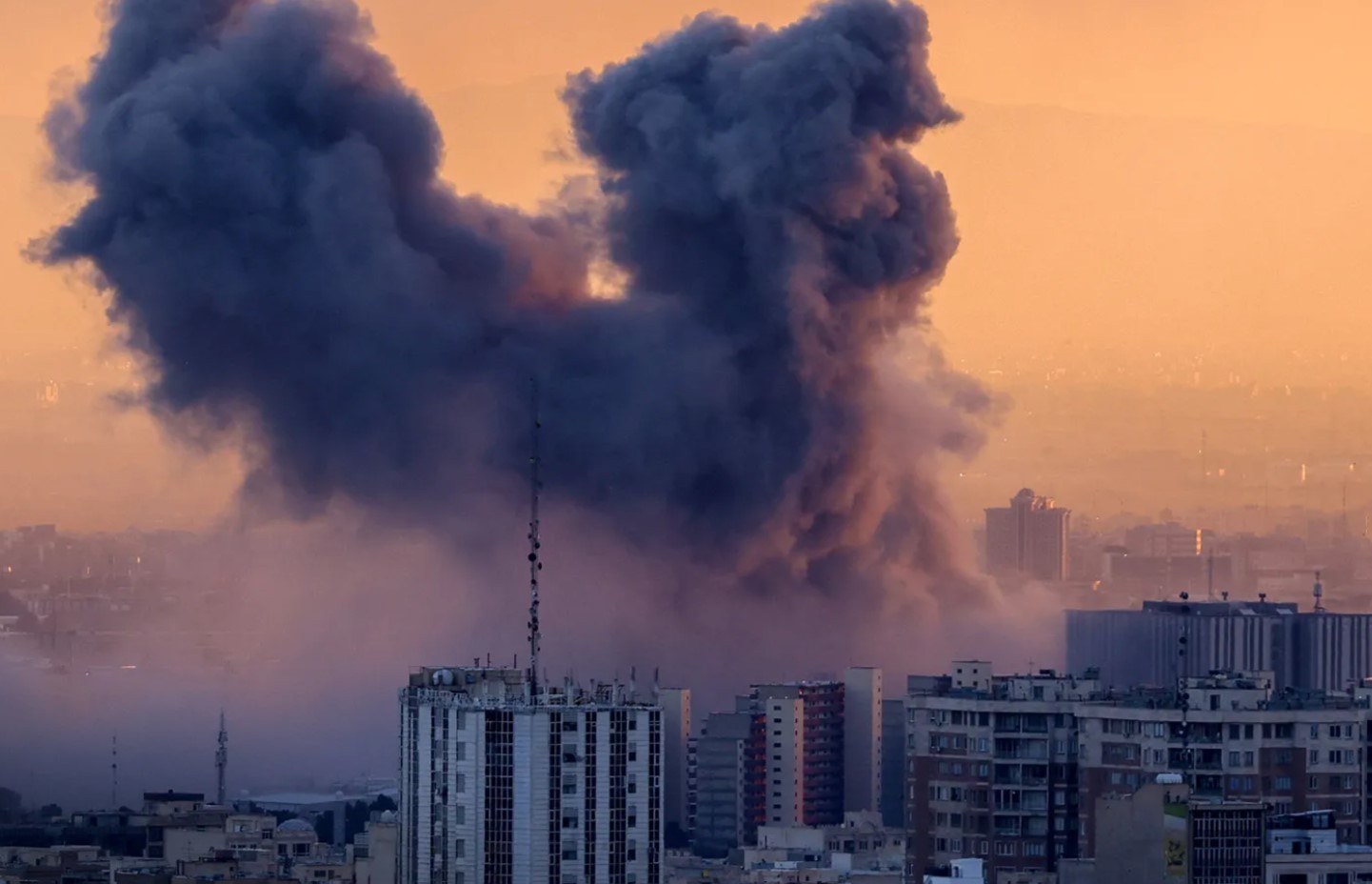
The latest rally was triggered by a sharp escalation in the Middle East. A strike on Iran’s South Pars gas field—one of the most critical energy assets in the world—sparked immediate retaliation. Iran responded by targeting key infrastructure across the Gulf, including Qatar’s Ras Laffan Industrial City, the backbone of global LNG exports. The scale and coordination of these attacks mark a turning point: energy infrastructure is no longer a secondary casualty of conflict, but a primary target.
Markets reacted swiftly. Brent crude surged past $110 per barrel, while U.S. crude approached triple digits. Natural gas prices also jumped as traders priced in potential disruptions to LNG flows. But beyond the headline numbers lies a deeper concern: uncertainty.
Direct Threats to Global Supply Chains
Qatar accounts for roughly 20% of global LNG exports, making any disruption there immediately felt across Europe and Asia. Even partial shutdowns or delays in shipments can tighten supply chains already strained by geopolitical fragmentation and post-pandemic demand recovery.
At the same time, Iran’s role in the region adds another layer of complexity. While sanctions have historically limited its exports, any escalation involving Iranian production or transit routes can ripple through global oil flows. The risk is no longer hypothetical—it is actively being priced into the market.
The Strait of Hormuz Risk Premium
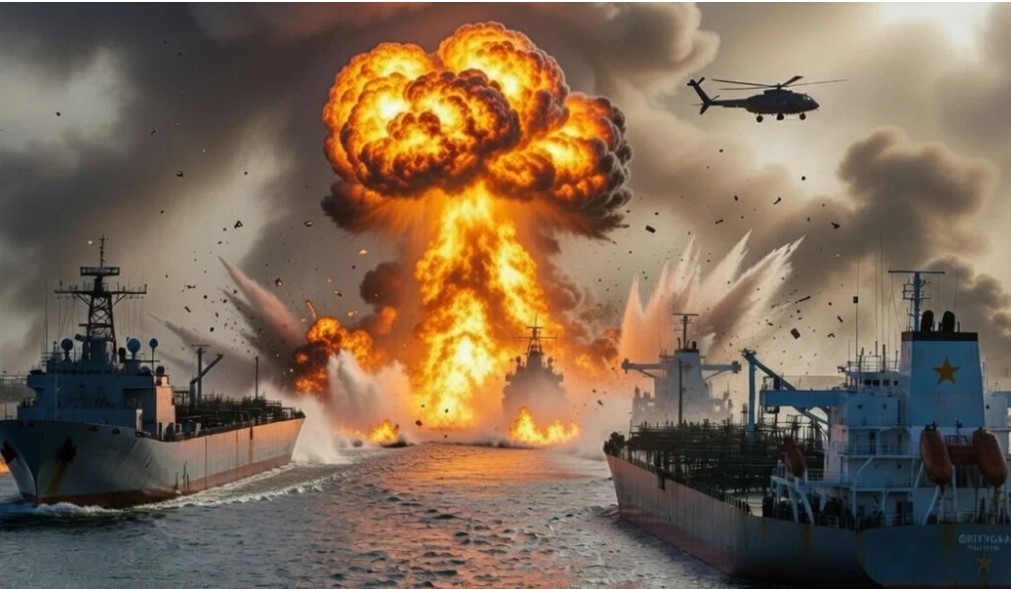
One of the biggest drivers behind the current price surge is the growing threat to the Strait of Hormuz. This narrow waterway handles nearly a fifth of the world’s oil supply. Any disruption—whether through military action, blockades, or even perceived threats—can trigger immediate price spikes.
Even without a full closure, heightened tensions are forcing shipping companies to reconsider routes, raising insurance costs and slowing deliveries. This adds a “risk premium” to oil prices, meaning traders are paying more not just for supply, but for uncertainty itself.
Limited Spare Capacity Amplifies the Shock
Unlike previous oil shocks, the current market has limited buffers. OPEC+ spare capacity remains constrained, and U.S. shale producers are showing more discipline in scaling output compared to past cycles. This means the system has less flexibility to absorb sudden disruptions.
In addition, ongoing maintenance issues, underinvestment in upstream projects, and climate-related policy shifts have collectively reduced the margin for error in global supply. When a shock hits, there are fewer quick fixes available.
Why This Surge Could Be Prolonged
Analysts increasingly believe this is not a short-lived spike. Damage to major facilities, especially LNG infrastructure, can take months to repair. Meanwhile, geopolitical tensions show little sign of easing, and further escalation remains a real possibility.
This creates a feedback loop: higher prices increase market anxiety, which in turn sustains upward pressure. Financial markets, energy traders, and policymakers are all adjusting expectations for a longer period of elevated energy costs.
Broader Economic Consequences
The impact extends far beyond oil markets. Rising energy prices are feeding into global inflation, complicating central bank policies and potentially slowing economic growth. Emerging markets, in particular, face increased vulnerability due to higher import costs and currency pressures.
For consumers, this could mean higher fuel prices, increased transportation costs, and broader price increases across goods and services.
A New Energy Reality
Oil is jumping again because the global energy system is entering a more fragile phase. Geopolitical tensions, infrastructure vulnerability, and limited supply flexibility are converging at the same time.
Unless there is a rapid de-escalation in the Middle East, energy markets may be entering a prolonged period of volatility—where price spikes are not exceptions, but the new normal.
Tehran’s Streets Become Rivers of Fire as Oil Pipelines Explode After Energy Facility Strikes: