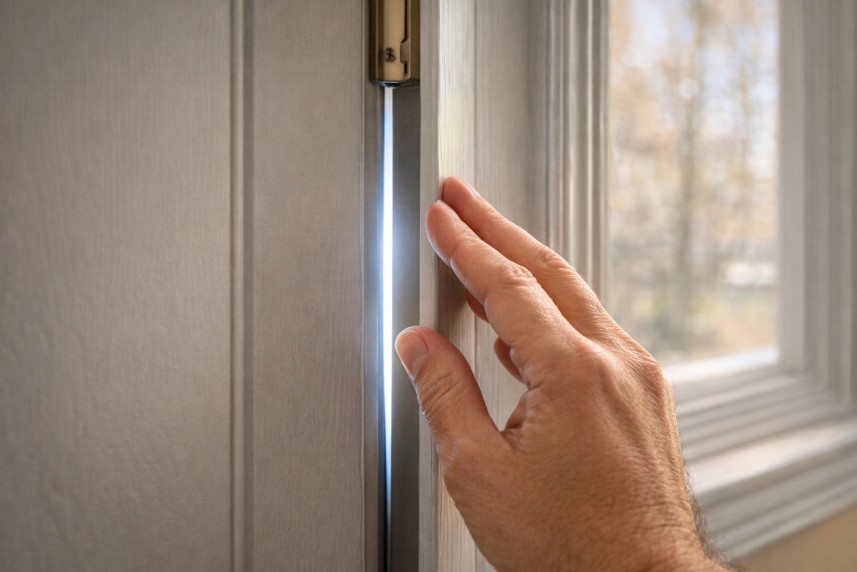
Most Americans Forget This One Thing After Winter—and It Drives Up Energy Bills

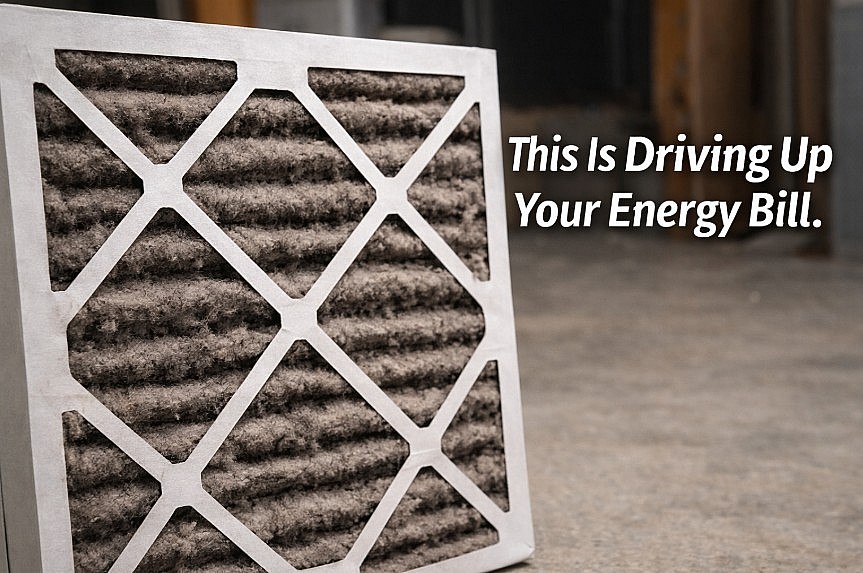 |
| This Is Costing You Money |
The small thing that quietly raises energy bills every spring
When winter ends, most Americans feel a sense of relief. The cold is fading, days are getting longer, and heating bills should finally go down. But for many households, that doesn’t happen.
Instead, utility bills stay high well into spring. The reason is often not weather, energy prices, or an inefficient home. It’s something much simpler and far more common.
Millions of Americans forget to replace their HVAC or furnace air filter after winter.
It sounds minor, but this single oversight quietly wastes energy, increases monthly bills, and puts extra strain on heating and cooling systems.
Read more: How Americans Cut Their Heating Bills in Early Spring Without Freezing at Home
Why air filters matter more than most people realize
Your HVAC system relies on proper airflow to work efficiently. The air filter’s job is to trap dust, pet hair, pollen, and debris before they circulate through your home.
During winter, heating systems run for long hours. Over time, filters collect layers of buildup that restrict airflow. When airflow is blocked, the system has to work harder to push warm air through the house.
That extra effort means:
-
Longer run times
-
Higher energy use
-
Increased wear on equipment
Even as outdoor temperatures rise in early spring, a clogged filter keeps energy use higher than necessary.
Read more: 7 Ways a Reverse Mortgage Can Help You in Retirement
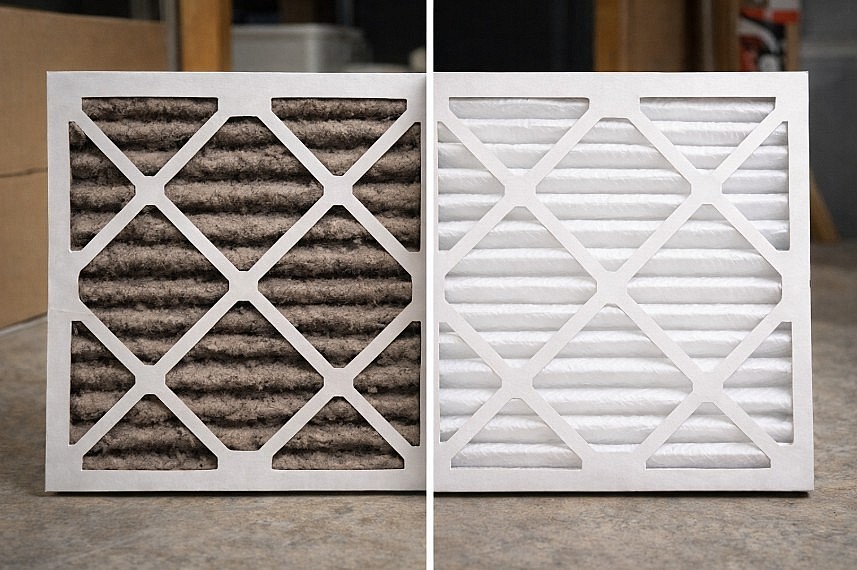 |
| One Forgotten Task |
The winter-to-spring problem most homeowners miss
Many Americans are good about replacing filters during peak winter or summer months. The problem comes right after winter ends.
As soon as the weather improves, people stop thinking about their heating system. The assumption is simple: less heat equals lower bills. But if the filter hasn’t been changed since December or January, the system is still running inefficiently.
By early spring, filters are often at their dirtiest point of the year. Ignoring them means you carry winter inefficiency straight into spring and even summer.
Read more: Top 10 Best Saving Accounts and Rates in the U.S
How a dirty air filter drives up energy bills
A clogged filter affects your home in several ways at once.
First, it reduces airflow. This forces the system to cycle longer to reach the thermostat setting.
Second, it disrupts temperature balance. Some rooms feel colder, causing people to raise the thermostat, which increases costs even more.
Third, it makes the system less responsive. That lag leads to frequent on-and-off cycling, which uses extra energy.
Together, these issues can add noticeable dollars to monthly utility bills, even when outdoor temperatures are mild.
The signs your air filter is overdue for replacement
Many people don’t realize how dirty their filter is until they check it.
Common warning signs include:
-
Dust buildup around vents
-
Heating or cooling taking longer than usual
-
Uneven temperatures between rooms
-
A noticeable increase in energy bills
In some cases, the filter appears gray or dark instead of white. That’s a clear signal it’s past due.
How often Americans should replace air filters
The right schedule depends on the home, but general guidelines are straightforward.
Most HVAC professionals recommend:
-
Every 30 days for heavy use, pets, or allergies
-
Every 60 days for average households
-
At minimum, once at the end of winter
Early spring is the ideal time. Heating systems are still in use, but the weather makes the task easy and comfortable.
Replacing a filter typically takes less than five minutes and requires no tools.
Read more: 10 tips for saving big on your New Year's Travels: American style!
Why early spring replacement saves money all year
Changing the air filter in early spring doesn’t just reduce heating costs. It sets your system up for success for the rest of the year.
A clean filter:
-
Improves airflow for spring heating
-
Prepares the system for summer cooling
-
Reduces strain on HVAC components
-
Helps prevent expensive repairs
Many Americans are surprised to see lower bills within one billing cycle after replacing a long-overdue filter.
Renters forget this too—and it still matters
This isn’t just a homeowner issue. Renters forget air filters just as often.
In many rentals, tenants are responsible for filter replacement. Even when landlords handle maintenance, filters can be overlooked.
Replacing a filter is one of the few energy-saving actions renters can control directly. It improves comfort and lowers utility bills without making permanent changes to the property.
If you’re unsure, check your lease or ask your landlord. In most cases, replacing the filter is allowed and encouraged.
Choosing the right filter (without overthinking it)
Many Americans worry about buying the “perfect” filter. In reality, the best filter is the one that balances airflow and filtration.
Basic guidelines:
-
Avoid extremely restrictive filters unless recommended
-
Match the size exactly to your system
-
Stick with a trusted brand
Higher filtration isn’t always better if it restricts airflow too much. When in doubt, choose a standard filter and replace it more often.
The bottom line: one small habit with big impact
Replacing an HVAC air filter is one of the easiest, cheapest ways to reduce energy waste in American homes. Yet it’s also one of the most commonly forgotten tasks after winter.
Early spring is the moment to fix that. A clean filter helps lower energy bills, improves comfort, and extends the life of your heating and cooling system.
In 2026, with energy costs still unpredictable, small habits matter more than ever. Five minutes and a simple filter change can make a real difference all year long.