
Record Number of ‘Incompetent’ NHS Staff Sacked: How Many, Why It’s Happening, the Consequences, and What Comes Next

The UK’s National Health Service (NHS) is facing an uncomfortable milestone. During the 2024/25 financial year, close to 7,000 NHS staff were dismissed for incompetence or related performance failures, according to internal workforce data. That figure marks the highest level since records began in 2011 and a sharp increase from around 4,000 dismissals just two years earlier.
Behind the headline is a complex story of workforce pressure, patient safety, management reform, and a system still recovering from the aftershocks of Covid-19
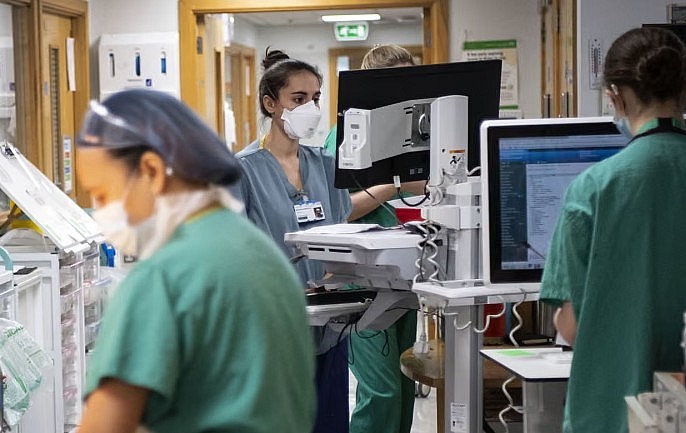 |
| The NHS has recorded an unprecedented surge in staff dismissals |
How Many NHS Staff Have Been Sacked and Why the Numbers Matter
The scale of the increase is hard to ignore. A jump from roughly 4,000 to nearly 7,000 dismissals represents a rise of more than 70 percent in just two years. These are not redundancies or voluntary exits. They are formal terminations following capability procedures, disciplinary processes, or repeated failures to meet professional standards.
The NHS employs around 1.4 million people, making it one of the largest employers in the world. In percentage terms, dismissals still represent a small share of the workforce. But in absolute terms, 7,000 failed careers in a single year is significant, particularly in a system already struggling with staff shortages.
For patients, the number matters because it speaks directly to care quality and safety. For staff, it signals a tougher performance culture. For policymakers, it raises questions about training, oversight, and whether problems are being fixed early enough.
Why Are NHS Dismissals Rising So Fast?
There is no single explanation. Instead, several forces are overlapping.
1. Post-Pandemic Performance Reviews
During the pandemic, many performance checks were delayed or relaxed. Staff were redeployed rapidly, standards were adjusted, and formal capability processes were often paused. As normal oversight returned, long-standing issues resurfaced all at once.
Managers now report that cases which might once have been managed quietly or over years are being formally addressed and resolved faster, sometimes ending in dismissal.
2. Workforce Shortages and Burnout
Chronic understaffing has left many clinicians working under intense pressure. Long shifts, staff absences, and high patient demand have increased the risk of mistakes, poor judgment, and declining performance.
In some cases, staff who might have performed well in a better-resourced environment simply could not cope. Burnout has become a direct contributor to incompetence findings, especially in frontline roles.
3. Tougher Regulation and Patient Safety Focus
High-profile failures in maternity units, mental health services, and hospital trusts have pushed patient safety to the top of the agenda. NHS England and professional regulators have demanded clearer accountability.
As a result, trusts are now less willing to tolerate repeated errors or substandard care, even when staffing levels are fragile. Dismissal, once seen as a last resort, is being used more decisively.
4. Better Reporting and Data Transparency
Some of the rise reflects improved reporting rather than worsening staff quality. Trusts are now required to log capability and disciplinary outcomes more consistently. What was once hidden in internal HR files is now visible in national data.
That transparency is uncomfortable, but it also provides a clearer picture of where the system is failing.
Who Is Most Affected?
Dismissals are spread across roles, but patterns are emerging.
-
Clinical staff, including nurses, midwives, and junior doctors, account for a large share of cases due to direct patient impact.
-
Support and care workers face dismissals linked to safeguarding failures or repeated breaches of basic standards.
-
Senior staff and managers represent a smaller number but often attract the most attention, especially when failures involve leadership or governance.
Importantly, incompetence does not always mean lack of skill. In many cases, it reflects poor decision-making under pressure, failure to follow procedures, or inability to adapt to changing clinical demands.
The Human and System-Wide Consequences
Impact on Patient Care
In the short term, dismissals can worsen staffing gaps, increasing pressure on remaining teams. Wards may rely more on agency staff, which is costly and can disrupt continuity of care.
In the long term, however, removing persistently underperforming staff can reduce harm, rebuild trust, and improve outcomes. For patients, the key question is whether dismissals are paired with better recruitment and support.
Impact on NHS Morale
For staff, the message is mixed. Some welcome firmer action against poor performance, arguing it protects professional standards. Others fear a blame culture, where individuals are punished for systemic failures beyond their control.
Morale is particularly fragile among early-career clinicians, who may feel they are being judged harshly in an overstretched system.
Financial Costs
Dismissals are expensive. Capability procedures can last months or years, involving HR teams, legal advice, and temporary cover. At the same time, replacing dismissed staff often requires higher-paid agency workers, at least in the short term.
Are These Dismissals a Sign of Progress or Crisis?
The answer is both.
On one hand, rising dismissals suggest the NHS is finally confronting poor performance more directly, rather than allowing problems to linger. From a patient safety perspective, that is a positive shift.
On the other hand, the numbers expose deep structural weaknesses. A system that regularly produces thousands of incompetence cases is not just failing individuals. It is failing in training, supervision, workload management, and early intervention.
What the Future Looks Like for the NHS Workforce
Looking ahead, several trends are likely.
Earlier Intervention and Support
Trusts are under pressure to identify performance problems sooner and offer retraining, mentoring, or redeployment before dismissal becomes inevitable. This could reduce future sackings while preserving skills.
Stronger Management Accountability
There is growing recognition that incompetence is often a management failure as much as an individual one. Future reforms are likely to focus on leadership quality and clearer lines of responsibility.
Continued Scrutiny and Transparency
Public reporting of workforce data is unlikely to be rolled back. If anything, scrutiny will increase. That means future dismissal figures will remain a key indicator of NHS health, not just staff performance.
Recruitment Versus Retention Tension
With ongoing staff shortages, the NHS faces a dilemma. It must maintain standards without driving away already scarce workers. Striking that balance will define workforce policy over the next decade.
A Warning Signal, Not Just a Statistic
The record number of NHS staff dismissed for incompetence is more than a headline. It is a warning signal about pressure, accountability, and the limits of resilience in a stretched health system.
Handled well, this moment could lead to higher standards, safer care, and stronger leadership. Handled poorly, it risks deepening shortages, damaging morale, and pushing problems further down the line.
The figures tell us how many people were sacked. The harder question, and the one that will shape the NHS’s future, is how many could have been helped earlier, and how many patients were affected before action was taken.