Trump Defends Federal Agents After Alex Pretti Shooting in Minnesota

 |
| 'Let ICE do their job': Trump Defends Federal Agents After Minneapolis Shooting |
The fatal shooting of Alex Jeffrey Pretti, a 37-year-old ICU nurse in Minneapolis, has drawn a forceful and controversial response from Donald Trump, placing the president at the center of a growing political and public backlash.
While state and local leaders in Minnesota condemned the actions of federal agents, Trump moved quickly to defend them, framing the shooting as part of a broader struggle over immigration enforcement and law and order.
Read more: Who Was Alex Jeffrey Pretti - ICU Nurse Fatally Shot by Federal Agents in Minneapolis – Latest Updates
Trump’s Immediate Reaction: “Let ICE Do Their Job”
In his first public comments following the shooting, President Trump offered unequivocal support for federal immigration agents involved in the incident. Responding to criticism from Minnesota officials and civil rights groups, Trump dismissed concerns over the use of force and instead criticized what he described as political interference with law enforcement.
“Let ICE do their job,” Trump said, arguing that federal agents were operating under dangerous conditions and should not be second-guessed by local politicians or protesters.
The president’s remarks did not address the disputed details of the shooting itself, including conflicting video evidence or witness accounts. Instead, Trump framed the incident as an example of federal officers being unfairly targeted while carrying out their duties.
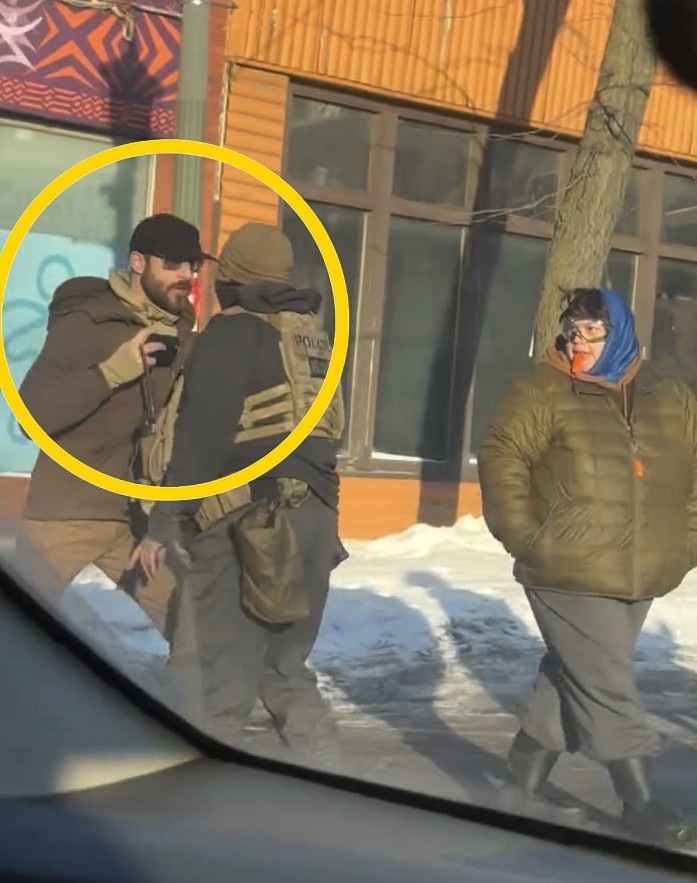 |
| Alex Pretti |
Blaming Local Leadership
Trump went further, sharply criticizing Minnesota’s Democratic leadership. He accused state and city officials of creating an environment hostile to law enforcement and claimed their opposition to federal immigration operations had emboldened unrest.
According to Trump, Minneapolis officials had failed to maintain public order, forcing federal agencies to step in. He suggested that criticism of federal agents following the shooting was politically motivated and irresponsible.
This framing aligned with Trump’s long-standing narrative that Democratic-led cities undermine policing and public safety, a theme he has repeatedly emphasized during immigration and crime-related controversies.
Contrast With Minnesota Officials
Trump’s response stood in stark contrast to that of Minnesota leaders, particularly Tim Walz, who condemned the shooting and called the federal operation “dangerous and unnecessary.”
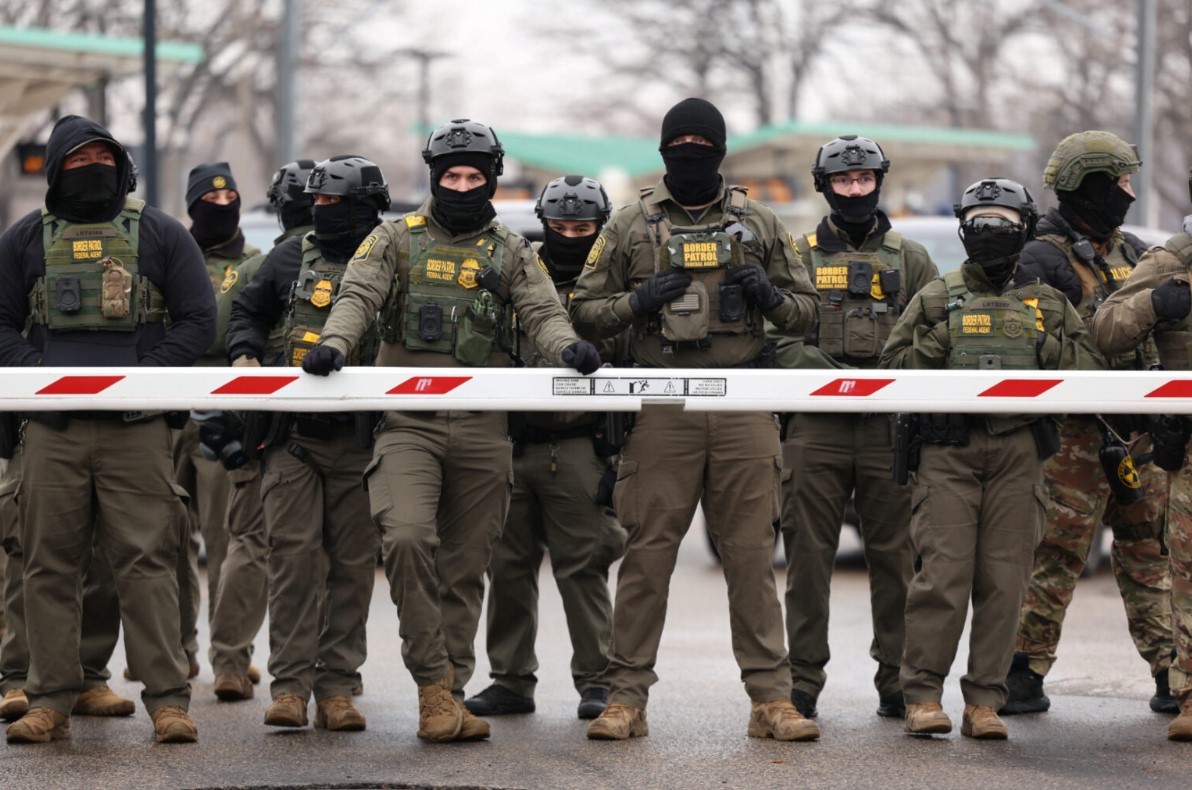
Walz and Minneapolis officials argued that the presence of heavily armed federal agents in residential neighborhoods escalated tensions and contributed directly to the fatal outcome. They demanded the withdrawal of federal forces and called for independent investigations.
Trump rejected those calls, instead portraying state leaders as obstructing federal law enforcement and failing to protect officers in the field.
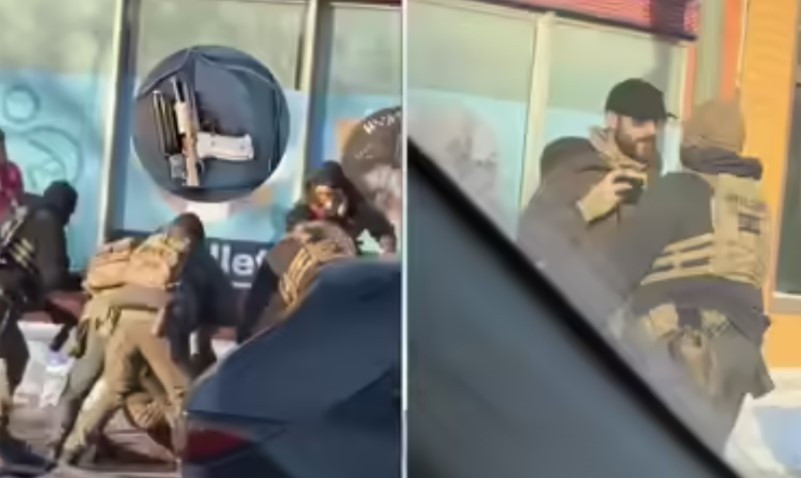
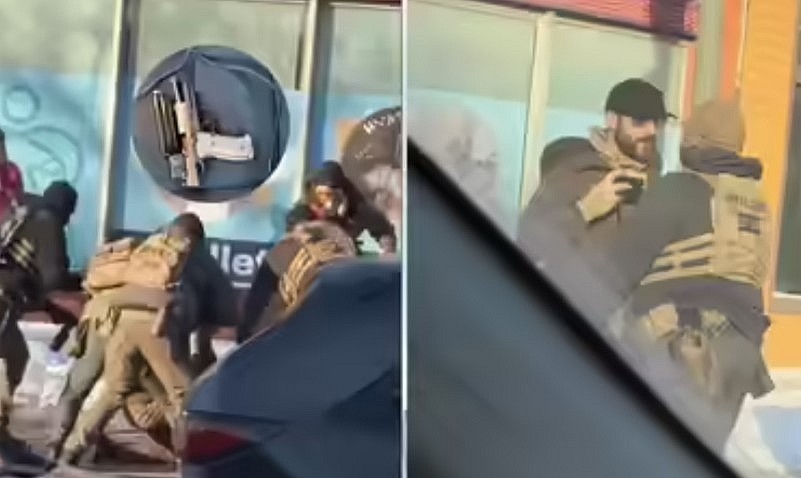
Videos Show Moments in Which Agents Killed a Man in Minneapolis:
Public and Political Fallout
Trump’s comments intensified an already polarized national response. Supporters praised the president for standing behind federal agents and reinforcing immigration enforcement, viewing his stance as necessary to uphold the rule of law.
Critics, however, accused Trump of prejudging the case before investigations were complete. Civil rights advocates and healthcare organizations expressed outrage that the president did not acknowledge Pretti’s background as a nurse or address questions surrounding the shooting.
Protests in Minneapolis grew following Trump’s remarks, with demonstrators citing his comments as evidence that federal authorities would not be held accountable.
A Familiar Political Pattern
Political analysts note that Trump’s reaction follows a familiar pattern: rapid defense of law enforcement, rejection of local criticism, and reframing incidents as political attacks rather than accountability issues.
By focusing on immigration enforcement rather than the specific facts of the case, Trump shifted the national conversation away from the circumstances of Pretti’s death and toward broader ideological divisions.
This approach has energized Trump’s political base but further strained relations between the White House and state governments already at odds with federal immigration policies.
Impact Beyond Minneapolis
The president’s response has elevated the Pretti case from a local tragedy to a national political flashpoint. As investigations continue, Trump’s remarks are likely to shape public expectations, media coverage, and political debate around the case.
For many Americans, the question is no longer only what happened to Alex Pretti, but how power, accountability, and federal authority are exercised when lethal force is involved.