Who Is Alison King? What Happened After the Viral WHCD Shooting Comment

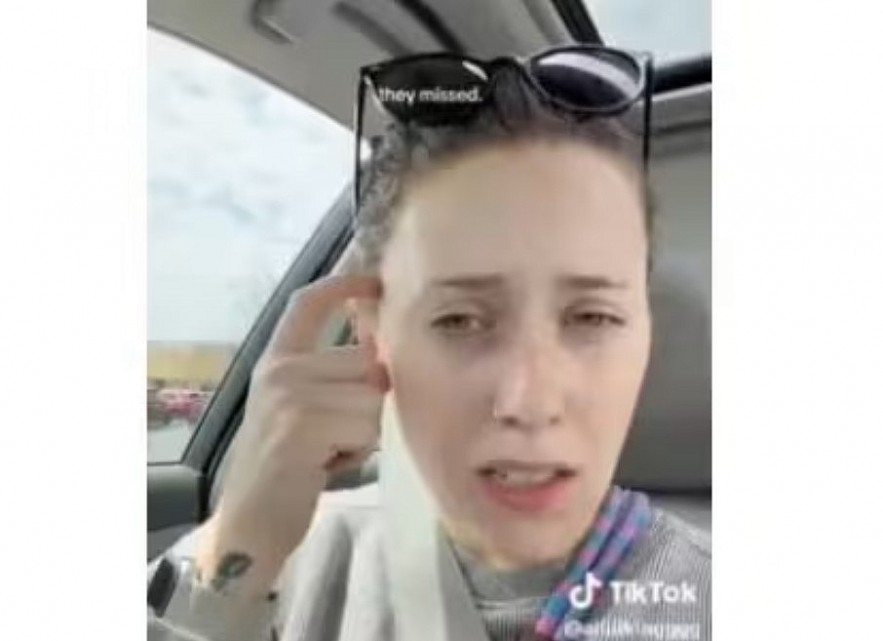 |
| Alison King was dismissed from UnitedHealthcare for a TikTok video expressing disappointment over President Trump's safety during a shooting event. (@aliiiikingggg/TikTok) |
Not a celebrity, not a politician, and certainly not someone seeking the spotlight, King is now at the center of a controversy that says as much about America’s digital culture as it does about her.
A Social Media Professional—Until She Wasn’t
Before going viral, Alison King was reportedly working in the social media and marketing space, linked to healthcare giant UnitedHealthcare. She wasn’t a public figure. She was, in many ways, representative of a growing generation of digital professionals whose job is to craft online narratives, manage brand voices, and navigate the fast-moving world of social media.
Ironically, it was her own voice—unscripted and personal—that changed everything.
The Moment That Sparked It All
The controversy stems from a TikTok video King posted following the shocking 2026 White House Correspondents' Dinner shooting, a real-world incident that rattled political circles in Washington, D.C.
During the event, a gunman opened fire near the venue, where top U.S. officials—including President Donald Trump—were present. The suspect was quickly subdued, and while injuries were reported, there were no fatalities.
In her TikTok reaction, King initially expressed disbelief, suggesting the incident might be fake. But it was her follow-up remark—“Aww, they missed?”—that ignited outrage online.
That single sentence, whether intended as sarcasm or not, was widely interpreted as trivializing political violence.
Internet Backlash—and Corporate Consequences
The internet does not forgive quickly, and in 2026, it rarely forgets.
Within hours, King’s video spread across platforms, triggering criticism from users across the political spectrum. Many viewed the comment as crossing a line—especially given the seriousness of the incident.
UnitedHealthcare moved swiftly. In a public statement, the company emphasized that violence—or comments appearing to support it—contradicts its values, confirming that King was no longer employed there.
It was a decisive, if unsurprising, corporate response in a media environment where brand reputation can shift overnight.
A Digital Age Reality Check
There’s a slightly uncomfortable truth in stories like this. Alison King didn’t set out to become a national headline. She didn’t write an op-ed or give a press interview. She spoke casually, in a format designed for fleeting attention—and found herself facing very real consequences.
This is where the story becomes less about one person and more about the culture surrounding her.
Social media blurs the line between private thought and public statement. What feels like a quick, offhand reaction can be interpreted as a definitive stance—especially when tied to sensitive topics like political violence.
And companies, understandably, are paying attention.
What Happens Next?
Since the incident, King has reportedly deleted her LinkedIn profile and kept a low public profile.
Whether she returns to the public sphere or chooses to remain out of it, her story is likely to linger—not because of who she was, but because of what her case represents.
A single sentence. A viral moment. A career-altering outcome.
Final Thought
If there’s a quiet lesson here, it’s this: the internet may feel informal, even playful—but it operates with very real stakes.
Alison King’s story isn’t just about controversy. It’s about timing, tone, and the fragile boundary between personal expression and public consequence.
And perhaps most tellingly, it’s a reminder that in today’s world, you don’t need to be famous to become unforgettable.