A Clear History of U.S. Interventions in Latin America - the Region Still Bristles

When U.S. actions in Venezuela dominate headlines, many Latin Americans don’t see an isolated event. They see a familiar storyline: Washington stepping in—sometimes with troops, sometimes with covert pressure—to shape outcomes in its “near abroad.”
What follows is a detailed but easy-to-remember guide to the biggest U.S. interventions in Latin America and the Caribbean, organized by era and purpose.
The “why” in one sentence
Across more than a century, U.S. interventions usually centered on one of four goals: protecting strategic routes (especially the Caribbean), safeguarding U.S. economic interests, fighting ideological rivals (communism), or targeting security threats (drugs, terrorism).
Read more: What Comes Next for Venezuela?
1) The Banana Wars: Occupations and “stability” by force (1898–1934)
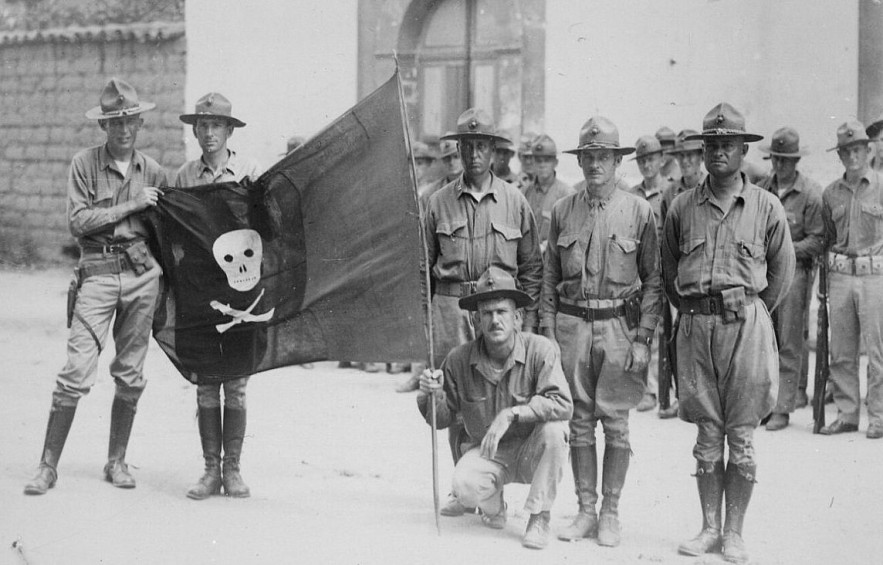 |
| The Banana Wars: America’s forgotten military interventions in Central America |
This era is easiest to remember as gunboats + Marines + customs houses. The U.S. repeatedly intervened in the Caribbean basin, often arguing it was restoring order or protecting foreign nationals and trade.
Haiti (1915–1934): After political turmoil and assassination, President Woodrow Wilson sent Marines to Haiti. The U.S. remained for nearly two decades and deeply influenced Haiti’s finances and security institutions.
Dominican Republic (1916–1924): The U.S. also occupied the Dominican Republic in the same general period for similar stability and debt-related reasons, helping set patterns of external control that many in the region still cite today. (This is widely documented in U.S. government historical archives and scholarship.)
Memory hook: “Marines ran ports and budgets.” It’s not the only story of the era, but it’s the one Latin American critics remember most.
2) Covert action becomes a template (1954 Guatemala)
Guatemala (1954): The CIA backed a covert operation that helped remove President Jacobo Árbenz. The episode became a landmark for U.S. Cold War policy: covert action, psychological warfare, and support for regime change without a conventional invasion. Declassified U.S. records and National Security Archive collections have documented planning and execution details over time.
Why it matters: Guatemala established a playbook—intelligence operations + local allies + plausible deniability—that echoes through later decades.
3) Cuba: the failed invasion that reshaped the Cold War (1961)
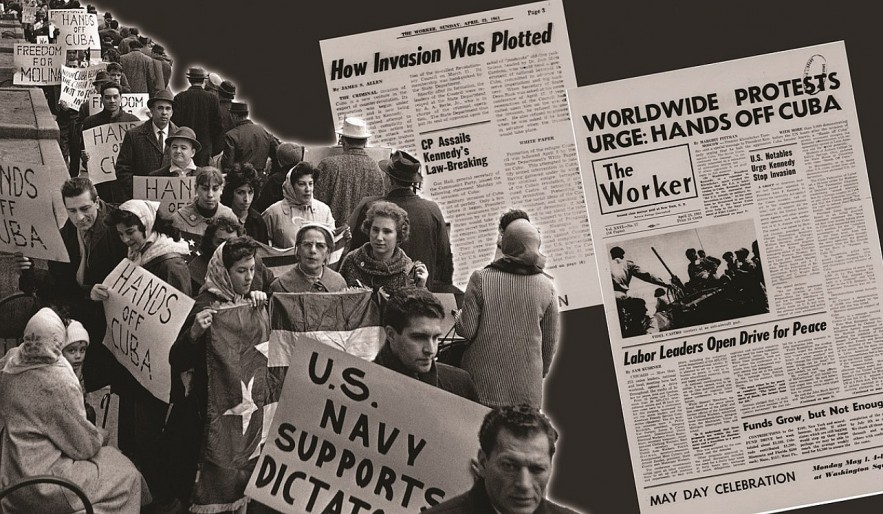 |
| 'Hands off Cuba' demonstrations, like this one in New York, erupted all over the country and around the world in April 1961. | Photos: AP / People's World Archives |
Bay of Pigs (1961): The U.S. backed an invasion force of Cuban exiles aiming to overthrow Fidel Castro. It failed quickly—and publicly—strengthening Castro’s position and intensifying U.S.–Soviet confrontation. The U.S. government’s own historical timeline lays out how the invasion and aftermath fed directly into the Cuban Missile Crisis era.
Memory hook: “The invasion failed, the Cold War escalated.”
4) “Prevent another Cuba”: Dominican Republic (1965)
Dominican Republic (1965): Amid civil conflict, the U.S. intervened with large forces, arguing it needed to protect Americans and prevent a communist takeover. Naval and historical U.S. government materials document the planning and deployment (Operation Power Pack) and the political context.
Why it matters: This is one of the clearest examples of Cold War logic translating into direct military action in the Caribbean.
5) Chile and the darker side of Cold War pressure (1970–1973)
Chile (1970–1973): U.S. involvement in Chilean politics and the destabilization period around the 1973 coup has been the subject of extensive declassification and documentation. The National Security Archive and U.S. historical document collections show how U.S. officials discussed and tracked efforts to undermine Salvador Allende’s government and how intelligence reported on coup plotting.
Why it still stings: Chile became a symbol—especially for left-leaning movements—of U.S. willingness to prioritize ideology over democratic process.
6) The 1980s: Central America’s wars and the Iran–Contra rupture
Nicaragua and the Contras: The U.S. supported Contra forces against the Sandinista government. The Iran–Contra scandal later exposed illegal or covert pathways used to sustain that support when Congress restricted funding. The U.S. State Department’s milestones summarize how policy, conflict, and scandal collided.
Memory hook: “Congress said stop; the operation kept going.”
7) Open invasions again: Grenada (1983) and Panama (1989)
Grenada (1983): After internal crisis and fears about regional security, the U.S. invaded Grenada (Operation Urgent Fury). Joint Chiefs of Staff historical monographs provide detailed accounts of planning and execution.
Panama (1989): The U.S. invaded Panama (Operation Just Cause) to depose Manuel Noriega, who was wanted on U.S. criminal charges. U.S. military history materials detail the operational scale and objectives, and Noriega was ultimately captured and tried in the United States—an important precedent in today’s debates.
Memory hook: “Noriega: invasion, capture, U.S. trial.” That parallel is exactly why Panama is frequently invoked in current Venezuela arguments.
8) Post–Cold War: interventions with UN cover (Haiti 1994–1995)
Haiti (1994–1995): Operation Uphold Democracy aimed to restore Haiti’s elected president after a coup. The State Department notes that planning initially centered on invasion, but diplomacy helped shift the operation toward a transition.
Why it matters: It shows a newer style: multinational framing and democracy language—yet still controversial in hindsight.
The enduring impact
Even when the U.S. argues it is acting for democracy or security, many Latin Americans see a pattern: the hemisphere’s most powerful state sets the rules and moves the chess pieces. That perception fuels nationalism, shapes elections, and influences how today’s leaders respond when Washington threatens force or sanctions.
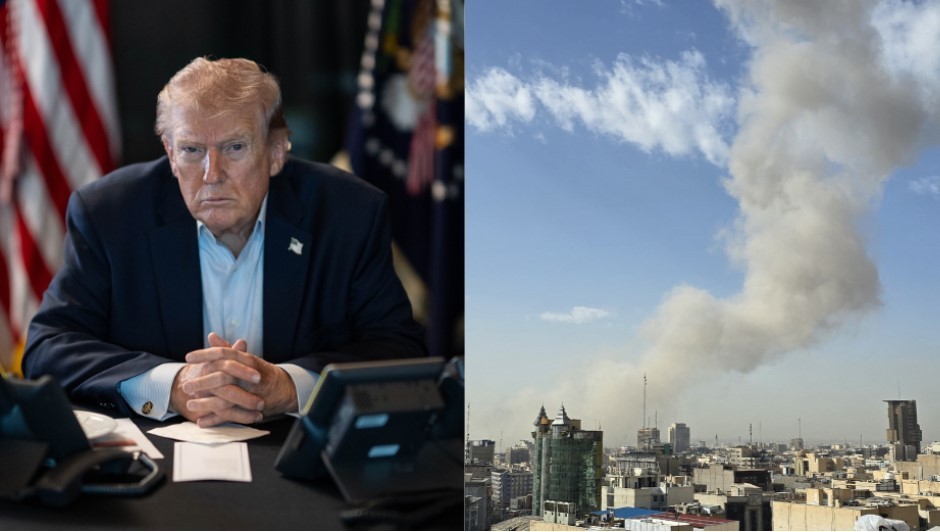
Maduro’s Capture and Who May Govern VenezuelaU.S. President Donald Trump says Venezuelan President Nicolás Maduro was captured during a U.S. military operation and removed from the country, though U.S. agencies have not released independent confirmation. Trump said the United States will be directly involved in deciding Venezuela’s next leadership, warning against allowing an automatic transfer of power. He said Washington is now in contact with Vice President Delcy Rodríguez, describing her as willing to cooperate, despite her ties to Maduro. Venezuelan officials have denied confirming Maduro’s detention, demanded proof of life, and declared a state of emergency, with military forces deployed nationwide. Analysts say Venezuela is entering a U.S.-influenced transitional phase, with military loyalty and international recognition likely to determine who governs next. |
FAQs
Was U.S. intervention always military?
No. It ranged from occupations and invasions to covert action, security assistance, sanctions, and political pressure.
Why do people mention Guatemala and Chile so often?
Because both are heavily documented examples of covert U.S. influence during the Cold War.
What’s the most relevant historical parallel to Venezuela today?
Panama (1989) is often cited because the U.S. removed a leader and later tried him in U.S. court.
Did the U.S. ever intervene with international backing?
Yes. Haiti (1994–1995) involved a multinational effort conducted under a UN-related mandate framework, though debates over legitimacy remained.