Calendar for Full Moon 2026: Names, Dates, Times, and Meanings

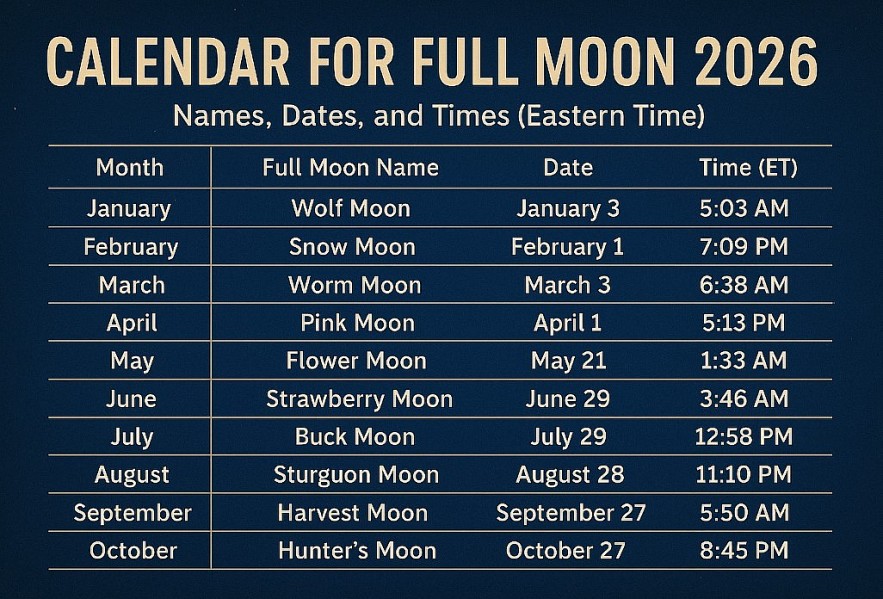 |
| Calendar for Full Moon 2026 |
Full Moons have guided human timekeeping and storytelling for thousands of years. Each month’s Moon carries a traditional name rooted in seasonal changes, farming cycles, and cultural customs
Full Moon Calendar 2026 (Overview)
Below is a quick reference list. Exact times are given in UTC, which you can convert to your local timezone.
| Month | Full Moon Name | Date (UTC) | Time (UTC) |
|---|---|---|---|
| January | Wolf Moon | January 3 | 02:04 |
| February | Snow Moon | February 1 | 19:08 |
| March | Worm Moon | March 3 | 11:38 |
| April | Pink Moon | April 2 | 22:13 |
| May | Flower Moon | May 2 | 15:33 |
| June | Strawberry Moon | June 1 | 07:46 |
| July | Buck Moon | July 1 | 00:58 |
| July | Sturgeon Moon | July 30 | 16:36 |
| August | Harvest Moon | August 29 | 07:10 |
| September | Hunter’s Moon | September 28 | 21:50 |
| October | Beaver Moon | October 28 | 11:45 |
| November | Cold Moon | November 27 | 00:12 |
| December | Long Night Moon | December 26 | 11:33 |
Note: Because of the lunar cycle, 2026 includes two Full Moons in July.
Full Moon Meanings Month by Month
1. Wolf Moon – January 3, 2026 at 02:04 UTC
The January Full Moon gets its name from midwinter lore. Wolves were once more vocal during this season, and the sound became tied to long, cold nights. Many Indigenous communities also associated this Moon with hardship and deep winter rest.
Symbolically, the Wolf Moon points to survival, reflection, and setting intentions for the year. It often feels like a clean slate. Skywatchers can expect crisp, bright visibility since winter air tends to be dry and clear.
SEO nNote: Popular searches for January’s Full Moon include “meaning of Wolf Moon,” “January Full Moon spiritual meaning,” and “visibility tips.”
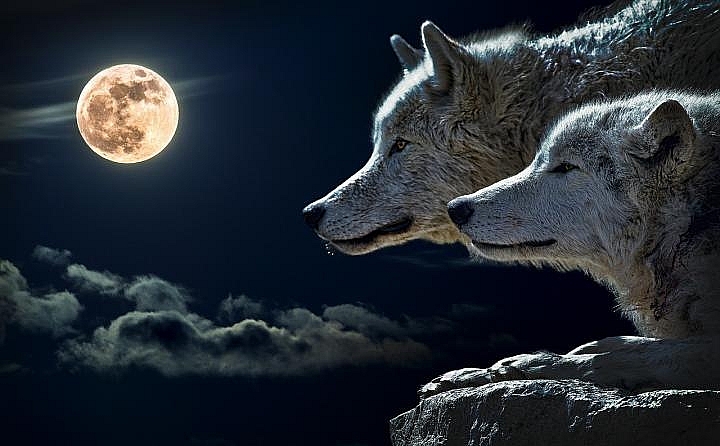 |
| How to Watch and When to See full 'wolf moon' |
2. Snow Moon – February 1, 2026 at 19:08 UTC
February’s Full Moon is named for the heaviest snowfall that typically arrives in North America during this month. The Snow Moon is sometimes called the Hunger Moon because winter food supplies were once low at this time.
The meaning centers on endurance, patience, and conserving energy. For many, it’s a moment to check in with personal goals when the year still feels new. While cloud cover can be common, any break in the winter sky makes this Full Moon especially striking.
 What is Snowmoon: Name Origin, Date, Time and Interesting Myths What is Snowmoon: Name Origin, Date, Time and Interesting Myths |
3. Worm Moon – March 3, 2026 at 11:38 UTC
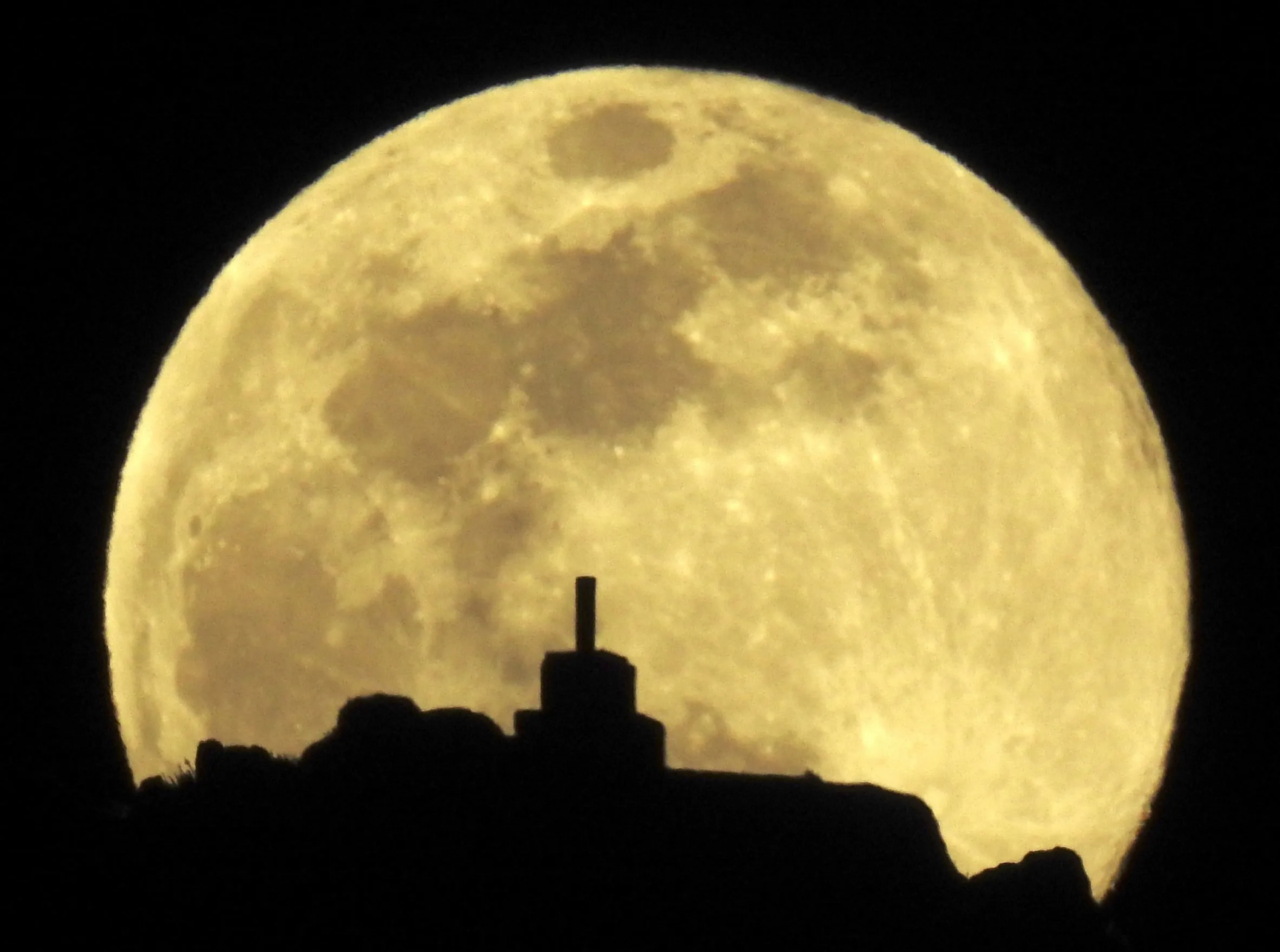 |
| Worm Moon: Date, Significance, and What it Means |
March marks the early signs of spring. As soil softens, earthworms reappear, inviting robins and other birds back to the landscape. This Full Moon reflects renewal, thawing, and anticipation.
Many cultures also link the Worm Moon to the equinox, celebrating a shift toward lighter days. It can serve as a reminder to reset routines or plant the first seeds of new projects.
4. Pink Moon – April 2, 2026 at 22:13 UTC
Despite the name, the Moon won’t turn pink. Instead, the name comes from wild ground phlox, one of the earliest flowers to bloom in spring. The Pink Moon signals rebirth and a growing sense of momentum.
This Full Moon is often associated with clarity. People look for progress after a long winter, and the Moon’s timing near mid-spring makes it a favorite among photographers. When the Moon rises low on the horizon, it can appear larger than usual due to an optical illusion.
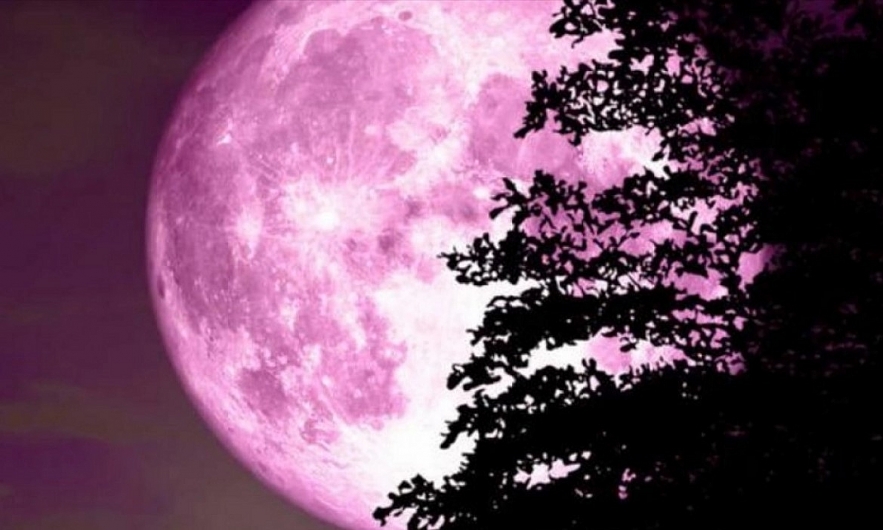 |
| Full Pink Moon |
5. Flower Moon – May 2, 2026 at 15:33 UTC
May’s Full Moon takes its name from the explosion of blossoms that appears across fields and forests. It’s a Moon of abundance and energy.
The Flower Moon has long been connected to agricultural traditions. Farmers used it to gauge planting schedules and to celebrate the return of stable weather. Spiritually, the Moon points to gratitude and the joy of growth.
This is also one of the more comfortable months for observing the Moon outdoors. Mild evenings make it easy to enjoy the view without winter layers.
6. Strawberry Moon – June 1, 2026 at 07:46 UTC
In many regions, June is strawberry-harvest season. Tribes in North America gave the Full Moon this name to mark the short picking window. In Europe, it’s sometimes called the Rose Moon.
The Strawberry Moon often falls near summer solstice, which brings out warm colors at moonrise and moonset. Because this Full Moon appears low in the sky for many northern latitudes, it may look golden or amber.
The meaning centers on sweetness, appreciation, and savoring the moment.
7. Buck Moon – July 1, 2026 at 00:58 UTC
Deer antlers, which are shed each winter, begin to regrow in early summer. The July Full Moon is named for this annual cycle of regeneration.
Symbolically, the Buck Moon points to strength, rebuilding, and personal resilience. Long summer days often make this Moon feel relaxed and social. It’s also a favorite among campers and stargazers.
8. Sturgeon Moon – July 30, 2026 at 16:36 UTC
The second Full Moon in July takes its name from large sturgeon that were once plentiful in lakes and rivers during midsummer. While it isn’t a Blue Moon by the “two Full Moons in one month” definition (because that depends on exact timing), many casual observers still refer to it that way.
The Sturgeon Moon reflects sustenance and connection to nature. For many cultures, the Moon marked important fishing periods. Today, it serves as a reminder of environmental balance and the rhythms of seasonal food cycles.
9. Harvest Moon – August 29, 2026 at 07:10 UTC
This is the Full Moon closest to the September equinox, which gives it special significance. The Harvest Moon rises earlier than usual for several nights in a row, providing extra light during the traditional harvest season.
Farmers once relied on this predictable moonlight to gather crops before autumn weather changed. The meaning centers on completion, prosperity, and gratitude.
The Harvest Moon is known for its deep orange tint at the horizon. This color comes from the Moon’s low angle and the way Earth's atmosphere filters light.
10. Hunter’s Moon – September 28, 2026 at 21:50 UTC
After the fields were cleared under the Harvest Moon, hunters used the bright October-like Moonlight to track animals fattening for winter. This is how the Hunter’s Moon got its name.
Today, the Moon symbolizes preparation, courage, and resourcefulness. It often feels like a transition point in the year. The crisp air and stable weather patterns make this one of the clearest Full Moons to photograph.
11. Beaver Moon – October 28, 2026 at 11:45 UTC
Beavers are most active in late fall as they reinforce dams and prepare for winter. The Beaver Moon highlights this seasonal work. Some stories say the name came from the time when trappers set beaver traps before rivers froze.
The Moon’s meaning leans toward productivity, security, and finishing long-term tasks. Nights are longer now, and the Moon often looks sharper against early winter skies.
12. Cold Moon – November 27, 2026 at 00:12 UTC
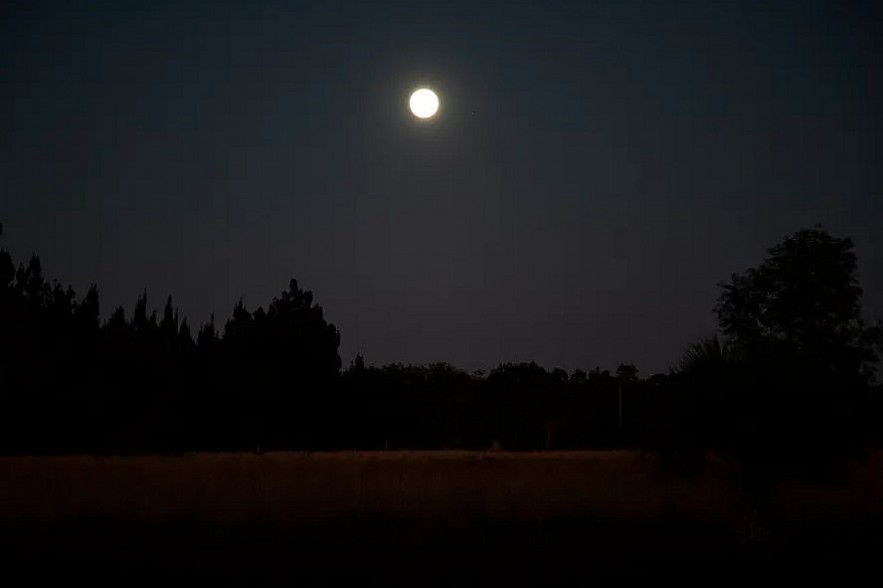 |
| Cold Moon |
November marks the real onset of winter in many regions, which is how the Cold Moon got its name. Frost settles, nights grow darker, and the landscape becomes quiet.
Symbolically, this Moon represents stillness and reflection. Its high, bright position in the sky makes it stand out more strongly than warmer-season Moons. Many people use the Cold Moon to reset expectations before the holiday season.
 Facts about Cold Moon - Last Full Moon of the Year: Date, Timings, All you need to Know Facts about Cold Moon - Last Full Moon of the Year: Date, Timings, All you need to Know |
13. Long Night Moon – December 26, 2026 at 11:33 UTC
December brings the longest nights of the year, and the Full Moon that appears closest to the winter solstice is called the Long Night Moon. It rises earlier and stays visible longer than most Full Moons.
The Long Night Moon represents endurance and hope. While winter is at its darkest, daylight will soon start to increase. Many traditions tie this Moon to renewal and the quiet strength that lives beneath rest.
How Full Moon Names Developed
The names used today come from a mix of Native American, Colonial American, and European traditions. They reflect practical observations rather than mythology: animal behavior, weather patterns, plant cycles, and seasonal labor.
Because these names evolved locally, some regions use different terms. For example:
-
The April Moon is called the Sprouting Grass Moon in some tribes.
-
The September Moon is sometimes the Corn Moon.
-
August’s Full Moon can also be called the Barley Moon in Europe.
There’s no single “correct” set of names, but the ones listed in this calendar are among the most widely recognized.
Why Full Moon Times Vary
A lunar cycle lasts about 29.53 days, so the date and time shift each month. Time zones also change how the date appears on your calendar. A Full Moon that peaks at 02:00 UTC may occur the evening before in North America or the morning after in Asia.
To convert times accurately:
-
Add or subtract your timezone offset from UTC.
-
Check whether your location observes daylight saving time at that moment.
Planetarium apps and observatory websites can provide exact local rise and set times.
Tips for Viewing the 2026 Full Moons
You don’t need special equipment to enjoy a Full Moon, but a few small steps can improve the experience:
-
Check the weather ahead of time. Clear skies make all the difference.
-
Watch moonrise rather than midnight peak. The rising Moon looks larger and more colorful.
-
Choose an open horizon, such as water, fields, or elevated viewpoints.
-
Use binoculars if you want detail. Even a simple pair shows craters clearly.
-
Avoid bright artificial light, which makes surface features harder to see.
Each Full Moon in 2026 has its own character, and paying attention to seasonal shifts makes observing more meaningful.
Frequently Asked Questions
1. Which Full Moon in 2026 is the brightest?
Brightness varies based on how close the Moon is to Earth during its orbit. While none of the 2026 Full Moons are classified as strong “supermoons,” any Moon that occurs near perigee will look slightly larger and brighter. The July and August Moons often fall near that point.
2. Is there a Blue Moon in 2026?
There’s no traditional Blue Moon by the “two Full Moons in one calendar month” definition in 2026 because the two July Moons occur on the first and last days of the month. Depending on regional rules, some may count the second July Moon as a monthly Blue Moon, but astronomers do not label it as such.
3. Will any eclipses occur during 2026 Full Moons?
Eclipses only happen during a Full Moon when the Sun, Earth, and Moon line up. Two lunar eclipses are expected in 2026, though they may not be total or visible everywhere. Always check local eclipse forecasts as the year approaches.
4. Why do some Full Moons have different names in other cultures?
Moon names reflect the environment and traditions of the people who created them. Farming communities focused on crops, while northern tribes used animal cues. Asian lunar calendars have their own naming systems tied to festivals and seasonal weather.
5. Are Full Moons scientifically linked to behavior changes?
There’s no strong scientific evidence that Full Moons change human behavior, though cultural associations are deeply rooted. Many people simply feel more aware or reflective during a Full Moon because it’s visually striking.
6. What makes the Harvest Moon special?
Its timing near the equinox means it rises earlier for several nights in a row. Farmers historically used this bonus light to gather crops, which gave the Moon its name.
Final Thoughts
The Full Moon calendar for 2026 offers a full year of natural markers, each with stories and seasonal meaning. Whether you follow the Moons for tradition, photography, or simple enjoyment, knowing the names and origins adds depth to the experience. The cycle of Full Moons reflects how closely human life has always been tied to the sky — and how much beauty there is in paying attention to it.