Can You Record ICE Agents? and What Your Rights Are After the Minneapolis Shooting
The fatal shooting of Renee Nicole Good by an ICE agent in Minneapolis has reignited a critical question for many Americans: Do civilians have the right to record ICE agents, and what protections does the law actually provide?
Legal experts say the answer is clear in principle — but complicated in practice.
Read more:
- Was the ICE Agent’s Fatal Shooting of Renee Nicole Good Legal?
- A Critical Moment Before the Gunfire: How the Minneapolis ICE Shooting Unfolded
 |
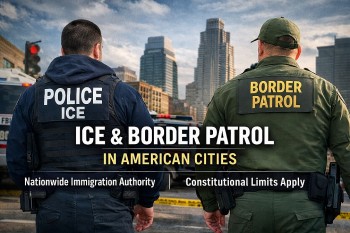
| Can you record ICE agents |
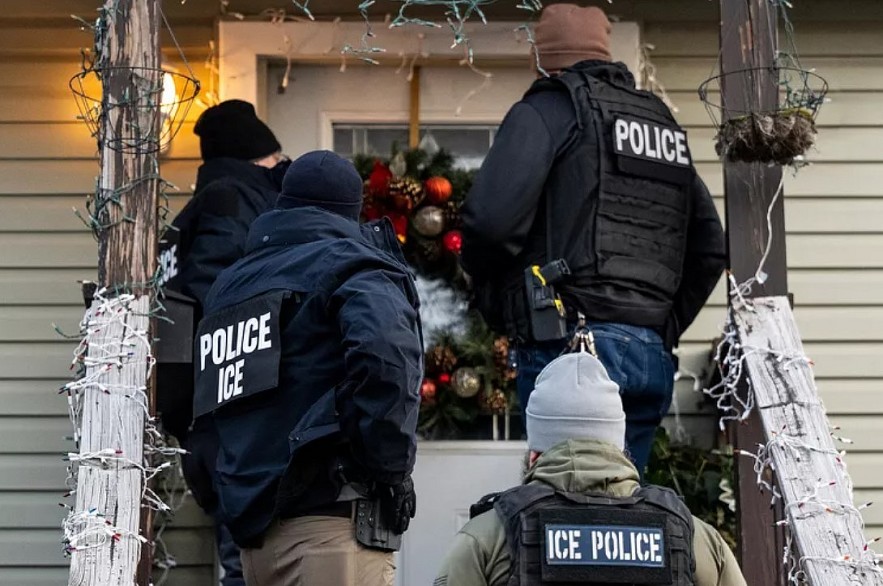
The basic rule: recording ICE is legal in public
Under the First Amendment, Americans generally have the right to observe, photograph, and record law enforcement officers performing their duties in public places. That protection applies not only to local police but also to federal agents, including ICE.
Courts across the country have repeatedly affirmed that recording law enforcement is a form of protected speech and press activity. This includes:
-
Filming officers in public streets or sidewalks
-
Recording arrests or enforcement actions
-
Documenting protests or raids from a lawful vantage point
Civil liberties groups say this right exists precisely because public oversight of state power is essential in a democracy.
Video - This angle clearly shows the ICE agent being hit and dragged on by the car:
Why the Minneapolis case changed the conversation
The Minneapolis ICE shooting unfolded during a large ICE operation in a residential neighborhood. Bystander videos — not official body-camera footage — became central to public understanding of what happened in the moments before gunfire erupted.
That fact has drawn attention to how critical civilian recordings are when ICE agents are not universally required to wear body cameras.
In the days after the shooting, organizations including the American Civil Liberties Union warned that aggressive federal enforcement tactics can create a “chilling effect,” discouraging people from recording or even observing ICE activity for fear of retaliation.
What ICE agents can — and cannot — legally do
According to legal guidance from civil rights groups:
ICE agents generally cannot:
-
Order you to stop recording simply because they dislike being filmed
-
Confiscate or delete photos or videos without a warrant
-
Detain you solely for recording
However, ICE agents can:
-
Order people to move if they are physically interfering with operations
-
Establish lawful security perimeters
-
Act if a person’s conduct poses a genuine safety risk
The key legal distinction is interference versus observation. Recording is legal. Obstructing is not.
DHS claims vs. civil liberties concerns
Federal officials argue that enforcement operations can quickly become dangerous, especially when vehicles or crowds are involved. In the Minneapolis case, the Department of Homeland Security said Good was “stalking and impeding” agents and attempted to “weaponize her vehicle.”
Critics counter that broad claims of obstruction can be used to justify excessive force or suppress lawful observation, especially when agents operate without clear identification or coordination with local authorities.
That tension — between officer safety and constitutional rights — sits at the heart of the national debate now unfolding.
What to do if you choose to record ICE
Legal experts recommend several precautions:
-
Stay calm and keep physical distance
-
Do not block vehicles or agents
-
Verbally assert your right to record if challenged
-
Do not resist if detained; document details afterward
Groups like the ACLU advise recording from sidewalks or public spaces and avoiding actions that could be misinterpreted as interference.
Why this matters beyond one case
The death of Renee Nicole Good has turned a legal principle into a real-world test. Without civilian video, the public might know far less about what happened that day in Minneapolis.
Whether investigators ultimately rule the shooting justified or not, the case underscores why the right to record federal agents matters — especially when enforcement occurs in everyday neighborhoods, far from public scrutiny.
The bottom line
Yes, Americans generally have the right to record ICE agents in public. But exercising that right requires caution, clarity, and awareness of how quickly tense situations can escalate.
The Minneapolis shooting has made one thing unmistakable: when transparency depends on bystanders, protecting the right to record is not abstract — it can shape the truth itself.