Famous Women Mentioned in the Epstein Files - Who They Are and What the Records Show

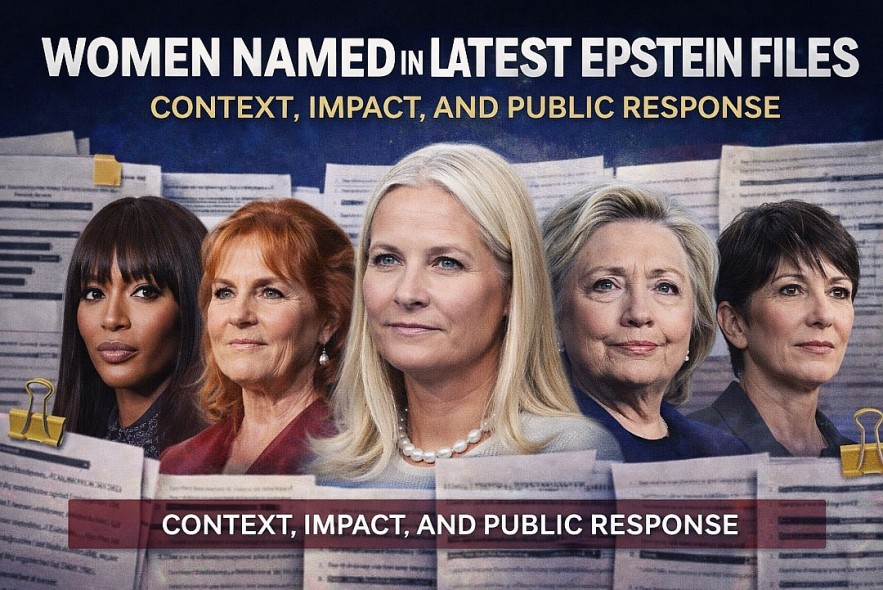 |
| Who are the women named in Epstein files. |
The latest unsealing of Epstein-related court documents has renewed global attention on the breadth of names referenced in the records, including politicians, business leaders, royals, and influential women from entertainment, media, and philanthropy.
While the documents do not present new criminal findings, they offer a rare glimpse into the extensive social and professional networks surrounding Jeffrey Epstein over decades.
Disclaimer: The inclusion of a person’s name in Epstein-related documents does not indicate criminal conduct or legal wrongdoing. These records include contacts, emails, schedules, and third-party references.
Read more: Latest Epstein Files Release: High-Profile Names and Their Public Impact
Ghislaine Maxwell
-
Who she is: British socialite and longtime Epstein associate; convicted in the U.S. for sex trafficking-related crimes and serving a prison sentence.
-
Why her name appears: Central figure across depositions, emails, and legal filings tied to the Giuffre v. Maxwell materials and other investigative records.
-
Public response: Maxwell has repeatedly denied key allegations in civil filings and depositions.
-
Current impact: The document releases keep Maxwell’s role in focus and continue to shape public understanding of how Epstein’s network operated.
Sarah Ferguson (Duchess of York)
-
Who she is: British royal and public figure, former wife of Prince Andrew.
-
Why her name appears: Newly released emails show direct correspondence with Epstein, including coordination around meetings and personal notes.
-
Public response: Ferguson has largely declined to comment on the newest disclosures.
-
Current impact: The emails have fueled fresh headlines and reputational pressure, even without new criminal allegations tied to her.
Princess Beatrice
-
Who she is: Daughter of Prince Andrew and Sarah Ferguson; a senior member of the British royal family.
-
Why her name appears: DOJ-released materials reportedly include references to Beatrice via family correspondence and images shared by Andrew.
-
Public response: No direct public statement from Beatrice.
-
Current impact: The mention is reputational rather than legal: public curiosity and media coverage rise when royals are pulled into documentary trails, even indirectly.
Princess Eugenie
-
Who she is: Daughter of Prince Andrew and Sarah Ferguson; British royal family member.
-
Why her name appears: Mentioned in connection with family communications and references inside Epstein-related emails disclosed in recent releases.
-
Public response: No direct public statement from Eugenie.
-
Current impact: Like Beatrice, the impact is public-facing: the release amplifies attention on the York family’s historic proximity to Epstein, regardless of legal implication.
Mette-Marit
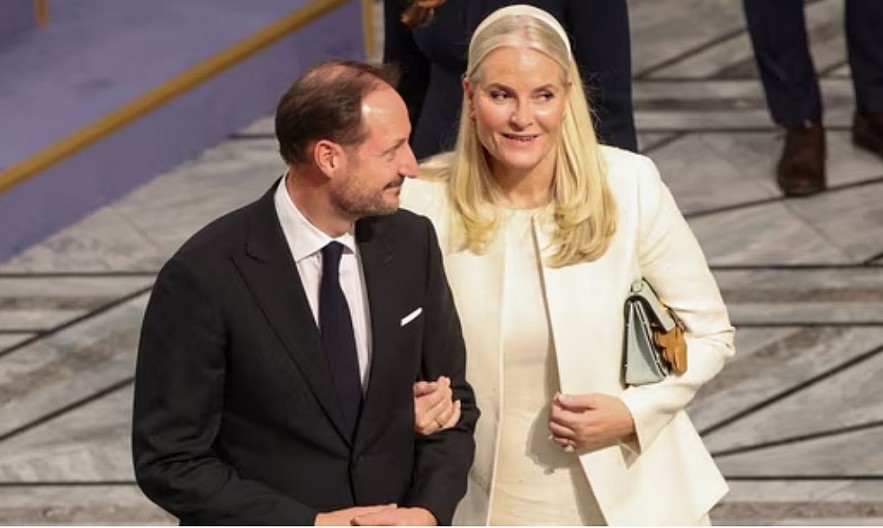 |
| Norway's Crown Princess Mette-Marit issued a second apology regarding her connections with Jeffrey Epstein, acknowledging poor judgment and the impact on her family's reputation amid legal troubles involving her son |
-
Who she is: Crown Princess of Norway and a prominent public figure involved in humanitarian and cultural initiatives.
-
Why her name appears: Her name appears in Epstein-related documents in connection with international events and social networks attended by high-profile figures, reflecting the breadth of Epstein’s recorded contacts rather than personal association.
-
Public response: Norwegian media and royal commentators have emphasized that the documents provide no indication of wrongdoing or direct involvement. The Royal Court has not issued a specific statement.
-
Current impact: The mention has generated brief public discussion in Norway but has not affected her official duties or public standing.
Naomi Campbell
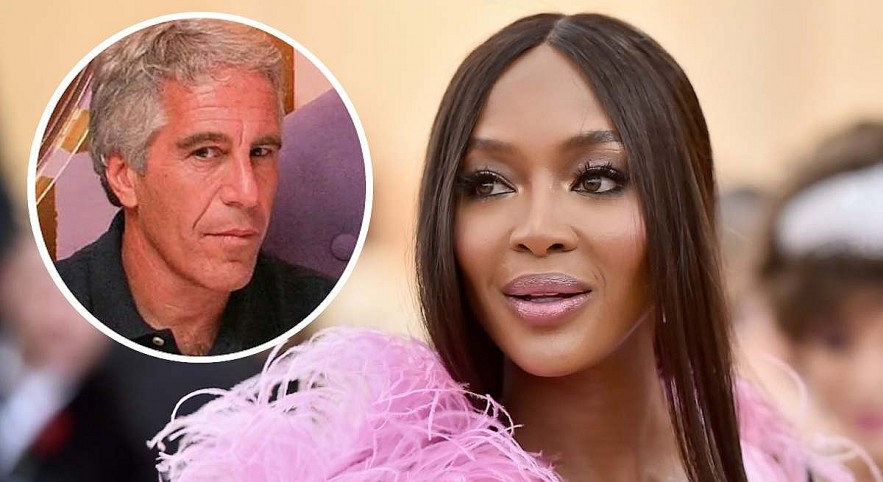 |
| Naomi Campbell in Epstein Files |
-
Who she is: British supermodel and international fashion icon.
-
Why her name appears: Named in unsealed court-document reporting as a celebrity referenced during witness questioning and public interest coverage of the documents.
-
Public response: Campbell has previously said she was shocked by Epstein’s crimes and distanced herself from him in public remarks (in prior coverage).
-
Current impact: Mentions frequently trigger waves of online speculation; news outlets stress that being referenced in court records can be incidental and not evidence of wrongdoing.
Cate Blanchett
-
Who she is: Academy Award–winning actor and producer.
-
Why her name appears: Reported as one of multiple A-list celebrities “name-checked” in deposition questioning about who witnesses had met.
-
Public response: No public response tied to the unsealed-doc mentions in mainstream reporting.
-
Current impact: Primarily reputational noise: her name’s appearance is treated as a visibility effect of large-scale litigation records, not as an allegation.
Cameron Diaz
-
Who she is: Hollywood actor and producer.
-
Why her name appears: Included in lists of celebrities referenced during deposition questioning about whether a witness had met certain famous people.
-
Public response: No public statement reported regarding the document mention.
-
Current impact: The impact is mostly media-driven: her inclusion in “who was name-dropped” coverage illustrates how court documents can pull unrelated public figures into viral discourse.
Minnie Driver
-
Who she is: Actor and singer-songwriter.
-
Why her name appears: Reported among celebrities referenced in coverage of who was mentioned in unsealed materials and related reporting lists.
-
Public response: No widely reported statement addressing the files.
-
Current impact: Similar to other celebrity name-checks, the reputational effect comes from association by proximity in headlines, even where context suggests only passing reference.
Hillary Clinton
-
Who she is: Former U.S. Secretary of State and 2016 presidential nominee.
-
Why her name appears: Listed in some reporting as a prominent figure referenced in unsealed-document coverage and name compilations tied to the case materials.
-
Public response: No specific public response tied to the unsealed mentions.
-
Current impact: Mentions tend to intensify political interpretation and online amplification, even when documents provide limited context or no allegations.
Read more: Who is the Mystery Woman with Bill Clinton in Epstein Photo?
| Amid pressure from a Republican-led House Oversight Committee investigation into Epstein and Ghislaine Maxwell, both Hillary and Bill Clinton agreed to testify (take depositions) before Congress — after initially resisting subpoenas that threatened contempt actions. Their testimony was scheduled for late February. Neither has been accused of any crime in this probe. |
Eva Andersson-Dubin
-
Who she is: Physician and former model; publicly reported as part of Epstein’s long-standing social circle.
-
Why her name appears: Document releases and reporting have referenced the Dubin family in relation to unsealed materials and wider Epstein record disclosures.
-
Public response: She has previously denied accusations or insinuations in public reporting around the case record.
-
Current impact: The renewed releases keep attention on prominent social circles around Epstein and how reputations are affected by documented proximity.
Karyna Shuliak (also reported as Shuliak/Shulyak)
-
Who she is: A woman identified in recent reporting about Epstein’s estate planning.
-
Why her name appears: Newly released materials described beneficiaries in Epstein’s trust/estate arrangements, with Shuliak highlighted in reporting on inheritance plans.
-
Public response: No major public statement captured in mainstream coverage referenced here.
-
Current impact: The story has shifted attention from social contacts to financial structures, raising questions about how Epstein’s assets were arranged and contested.
Sarah Kellen
-
Who she is: Former Epstein employee frequently identified in reporting as part of his inner operations.
-
Why her name appears: She appears repeatedly in operational references across the broader record landscape and in reporting that summarizes Epstein’s “inner circle.”
-
Public response: Public coverage has long noted denials and disputes around characterizations of her role.
-
Current impact: Her continued mention underscores how staffing and logistics remain central to understanding Epstein’s system, even years later.
Lesley Groff
-
Who she is: Former assistant associated with Epstein’s household operations in historical reporting.
-
Why her name appears: Frequently referenced in discussions of operational records and witness accounts that map Epstein’s organization.
-
Public response: No new public response tied specifically to the latest releases in the sources used here.
-
Current impact: Ongoing mentions keep attention on how Epstein managed travel, scheduling, and communications through close staff, shaping public interpretation of the paper trail.
Virginia Giuffre
-
Who she is: A central Epstein accuser and advocate whose civil case filings drove many of the unsealed records.
-
Why her name appears: The unsealed materials stem from litigation connected to her case against Maxwell and include depositions and related filings.
-
Public response: Giuffre’s allegations and legal strategy have been extensively reported and contested in court records.
-
Current impact: Her case remains a key lens through which the public interprets the documents and the accountability debate.
Conclusion
The Epstein files underscore a critical distinction between documentation and culpability. For many women named, appearances in the records reflect social proximity, professional overlap, or third-party references rather than evidence of wrongdoing.
Yet the public release of these materials demonstrates how reputational consequences can be swift and severe, regardless of legal findings. As courts, journalists, and the public continue to examine the files, the case highlights broader questions about transparency, accountability, and the lasting impact of association in the digital age. For those named, the documents remain a reminder that visibility itself can carry enduring consequences.