Hidden AI Cameras Now Watching UK Roads: What Drivers Risk Missing

 Best Time to Fill Up Petrol in the UK: Myth vs Reality Best Time to Fill Up Petrol in the UK: Myth vs Reality |
 The Cheapest Petrol in the UK: Save £5-£20 Every Fill-Up The Cheapest Petrol in the UK: Save £5-£20 Every Fill-Up |
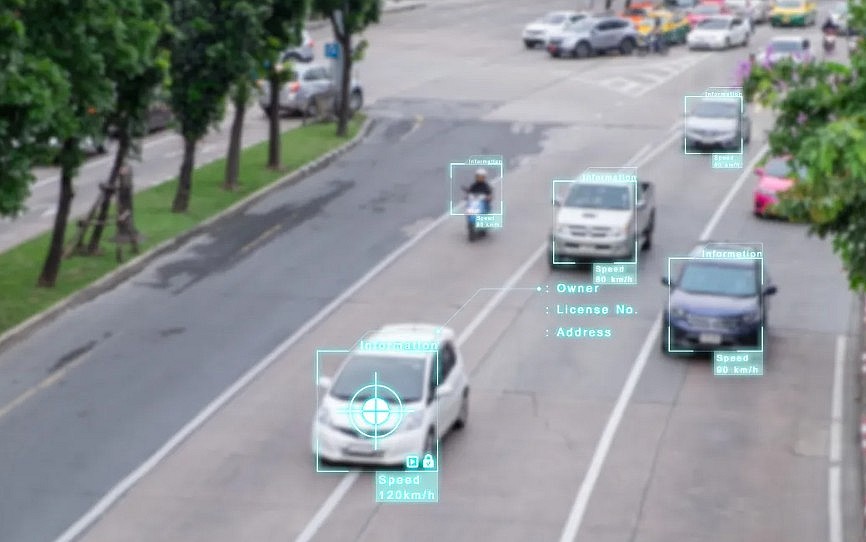 |
| AI speed cameras are advanced traffic enforcement tools that not only detect speeding but also monitor driver behavior, such as mobile phone use and seatbelt violations, significantly enhancing road safety in the UK |
A new generation of AI-powered traffic cameras is now actively enforcing road safety laws across the UK, and many drivers still underestimate how advanced this technology has become. While the rules themselves are familiar, the way they are enforced has quietly changed, creating new risks for petrol and diesel drivers alike.
A System That Sees More Than You Think
Unlike traditional speed cameras, these new systems are designed to monitor driver behaviour inside the vehicle. Using ultra-high-resolution lenses combined with artificial intelligence, the cameras can identify whether a driver is:
- Holding or using a mobile phone
- Not wearing a seatbelt
- Driving while distracted
What makes this particularly striking is that the cameras can capture clear images even through windscreens, including in low light or poor weather conditions. Many drivers assume tinted glass or quick movements can hide violations, but early trials suggest otherwise.
Tested Quietly, Now Enforced Widely
Before the nationwide rollout, these AI cameras were tested in multiple regions, including Devon, Cornwall, and parts of the Midlands. During these trials, thousands of offences were detected in just a few weeks.
One lesser-known detail is how frequently violations occur. In some pilot areas, over 10% of drivers were caught not wearing seatbelts, while a significant number were using phones despite strict laws already being in place.
Now, enforcement is expanding, and drivers are unlikely to know when they are being monitored.
No Flash, No Warning
A key difference from traditional enforcement is the lack of obvious signals. These cameras often:
- Do not flash when capturing an offence
- Are mounted on unmarked vehicles or roadside units
- Operate continuously without human supervision
This creates what experts call “passive enforcement,” where drivers may only discover a violation days later when a penalty notice arrives.
Why Authorities Are Doubling Down
The UK government and local police forces are investing heavily in AI enforcement due to persistent safety issues. Distracted driving, particularly mobile phone use, remains one of the leading causes of serious road accidents.
What’s less widely discussed is the data-backed effectiveness of these systems. Early results show a measurable drop in risky behaviour in areas where AI cameras are deployed, suggesting drivers quickly change habits once enforcement becomes unavoidable.
The Privacy Question
One topic gaining attention is privacy. These cameras capture detailed images of drivers and passengers, raising questions about data use and storage.
Authorities have stated that:
- Images are only reviewed if a potential offence is detected
- Data is handled under strict legal guidelines
Still, the idea that roadside cameras can effectively “look inside” vehicles is sparking ongoing debate.
What Drivers Often Overlook
Many drivers believe short trips or quiet roads reduce their risk. In reality:
- Most offences are detected during routine, everyday journeys
- Even brief phone use at traffic lights can be penalised
- Seatbelt violations are among the easiest for AI to detect
In other words, the most common habits are now the easiest to catch.
The Bottom Line
For UK drivers, the biggest change isn’t the law, it’s the certainty of enforcement. AI cameras are removing the gaps that drivers once relied on.
The safest approach is also the simplest: assume you are always being monitored, and drive accordingly.