How to Actually Get Cheap World Cup 2026 Tickets?

 How the 48-Team Format Will Change World Cup Upsets Forever How the 48-Team Format Will Change World Cup Upsets Forever |
 How Many Asian Teams Qualified for the 2026 World Cup? Full AFC List How Many Asian Teams Qualified for the 2026 World Cup? Full AFC List |
 Why Smaller Nations Could Be the Biggest Winners of World Cup 2026 Why Smaller Nations Could Be the Biggest Winners of World Cup 2026 |
 |
| Is it still possible to get affordable World Cup 2026 tickets |
Let’s get this out of the way first.
If you’re expecting “cheap” tickets to FIFA World Cup 2026 to be easy to find, you’re going to be disappointed.
But if you’re willing to be flexible, a bit strategic, and just a little patient, there’s still a real chance to watch matches without spending a fortune.
The difference comes down to how you approach it.
Most fans chase the biggest games and end up paying the highest prices. The smarter ones quietly work around the system.
Here’s how they do it.
Start with the right mindset: you’re choosing price, not just tickets
A lot of people think ticket hunting is about speed. It isn’t.
It’s about trade-offs.
You’re not just buying a ticket. You’re deciding:
- which teams you’re okay with missing
- which cities you’re willing to travel to
- how much comfort you actually need
That matters more than any “hack.”
For example, a group-stage match between two mid-tier teams on a weekday afternoon will feel very different from a Saturday night game featuring a host nation. Not just in atmosphere, but in price.
Sometimes dramatically so.
If your goal is to save money, you have to be honest with yourself early:
Are you chasing a specific match, or just the experience?
Because those are two very different budgets.
Read more:
- How Much Will World Cup 2026 Final Tickets Cost? Cheapest vs Most Expensive Revealed
- Ticket Prices for World Cup 2026: What Fans Should Expect
The quiet truth: the cheapest tickets are not where most people look
When people think of buying tickets, they jump straight to resale sites.
That’s usually where things go wrong.
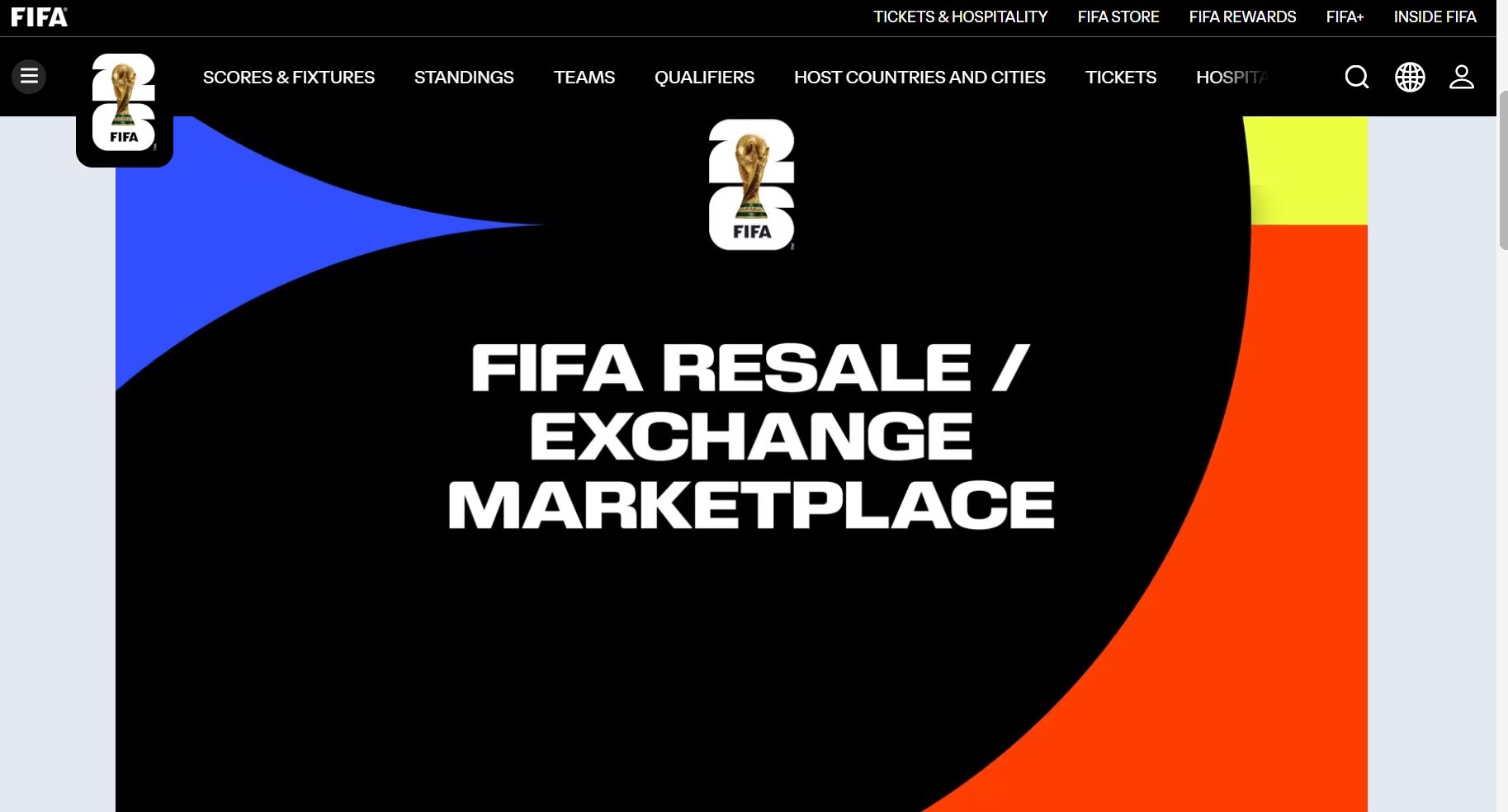
The lowest prices tend to appear earlier in the official system, not later in the resale market. FIFA releases tickets in phases, and each phase behaves a bit differently.
Some are lotteries. Some are first-come-first-served. Some are messy and unpredictable.
The key isn’t getting lucky once. It’s showing up multiple times.
Fans who end up with decent prices are usually the ones who:
- register early
- apply more than once
- keep checking even after missing out
It’s not glamorous, but it works.
About those $60 tickets… yes, but also no
You’ve probably seen headlines about $60 tickets.
They exist. But they’re not what most people imagine.
These are part of a limited “Supporter Entry” category. They’re often:
- high up in the stadium
- tied to specific team allocations
- distributed through football associations
So technically, yes, you could pay $60.
Realistically, most general fans won’t.
A more honest expectation is that your “cheap” ticket—if you manage to get one—will likely sit somewhere in the low hundreds. Still reasonable by World Cup standards, but not a bargain in the traditional sense.
Timing matters more than people think
There’s a strange pattern in how people buy tickets.
They either rush too early or wait too long.
Both can cost you money.
Early resale listings, for example, are often inflated. Sellers test the market, and impatient buyers jump in. Weeks later, prices sometimes settle as more inventory appears.
But waiting too long has its own risk.
As the tournament gets closer:
- demand increases
- travel plans lock in
- emotional decisions kick in
And prices start climbing again.
There’s no perfect moment, but there is a pattern:
The middle window—after initial hype, before peak demand—is often where the best value sits.
Location is your biggest hidden advantage
One of the unique things about the 2026 World Cup is its scale.
Three countries. Multiple time zones. Huge travel distances.
That creates price gaps.
Matches in cities like New York or Los Angeles will naturally attract more attention. That pushes ticket demand higher. Meanwhile, less obvious host cities may offer a much easier entry point.
The football is the same. The experience is still real.
But the price difference can be significant.
If you’re flexible about where you go, you’ve already given yourself an edge most fans don’t use.
Travel costs can quietly undo all your savings
It’s easy to focus on ticket prices and forget everything else.
Flights, hotels, local transport—these add up quickly, especially in major cities during a global event.
In some cases, fans end up saving $200 on a ticket and spending $800 more on accommodation.
That’s not a win.
A better approach is to think of the trip as a whole:
- choose one base city instead of moving around
- book accommodation early, even before securing tickets
- avoid peak dates if possible
Sometimes the smartest “cheap ticket strategy” is actually a travel strategy.
One big match or several smaller ones?
This is where expectations matter.
A lot of fans dream of attending a huge knockout match or even the final. That’s understandable. But those are also the most expensive options by far.
There’s another way to experience the tournament.
Instead of putting your entire budget into one match, you could:
- attend multiple group-stage games
- see different teams and styles
- spend more time inside the World Cup atmosphere
And often, those matches are more relaxed, more accessible, and just as memorable in their own way.
It’s a different kind of experience. Not better or worse. Just different.
Last-minute deals do exist—but they’re not for everyone
There’s always talk about last-minute tickets.
And yes, they do appear.
Sponsors return allocations. Teams get eliminated. Plans change. Tickets quietly re-enter the system.
But relying on this strategy comes with risk.
You need:
- flexible travel
- a bit of luck
- the ability to act quickly
For some fans, that’s exciting. For others, it’s stressful.
It can work. Just don’t build your entire plan around it.
The one rule that saves people the most money
Before you buy anything, decide your limit.
Not in your head. Actually decide it.
Because once you start browsing, comparing, imagining yourself in the stadium—it becomes very easy to justify spending more than you planned.
That’s how people end up paying double what they expected.
A simple rule helps:
If it’s above your limit, you walk away.
There will always be another match, another ticket, another chance.
So what does “cheap” really mean in 2026?
It’s worth being realistic here.
Cheap is relative.
- Around $100–$300: strong value
- $300–$800: typical range
- $1,000+: premium territory
If you manage to stay near the lower end of that range, you’ve done well.
Final thought
There’s no single trick to getting cheap World Cup tickets.
It’s more about a series of small decisions:
- being flexible
- staying patient
- avoiding panic
- understanding how the system works
Do those things, and your chances improve a lot.
Ignore them, and you’ll probably still get a ticket.
You’ll just pay more for it.
FAQs
Is it still possible to get affordable World Cup 2026 tickets?
Yes, especially for group-stage matches, but you need to be flexible and proactive.
What’s the biggest mistake fans make?
Chasing high-demand matches and buying too early on resale platforms.
Are official FIFA tickets cheaper than resale?
Usually, yes—especially in early sales phases.
Should I wait for last-minute deals?
Only if you’re comfortable with uncertainty.