Lake Michigan, a Yacht, and a DOJ Tip: Inside the Epstein Document Dragging Trump Back Into the Spotlight

 What Are the Epstein Files That Disappeared from the DOJ Website? Full Breakdown What Are the Epstein Files That Disappeared from the DOJ Website? Full Breakdown |
 How Many Epstein Files Are Still Hidden? What’s Left to Be Released — Photos, Documents and Explosive Records How Many Epstein Files Are Still Hidden? What’s Left to Be Released — Photos, Documents and Explosive Records |
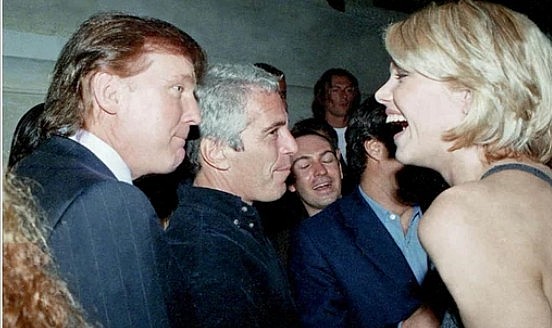 |
| A photograph shows U.S. President Donald Trump with the late financier and convicted sex offender Jeffrey Epstein, from Epstein’s estate |
A single document, buried inside a massive release of Jeffrey Epstein–related records, has reignited debate about long-rumored links between Epstein and high-profile figures. The focus is an FBI “intake” tip that references Lake Michigan, alleges abuse aboard a yacht in the mid-1980s, and includes the name Donald Trump in a witness section.
Online, the claims have been framed as explosive revelations. In reality, the truth is more restrained and more complicated.
Read more: Inside the Epstein Files: A Deep Look at the Trump Mentions, Unverified Claims, and the Broader Controversy
What kind of document is at the center of the controversy?
The file drawing attention is not a court ruling, indictment, or sworn testimony. It is an FBI intake report: a standardized form used to log information submitted by a tipster. Such documents preserve what someone reported to authorities at a given time. They do not represent conclusions reached by investigators.
The intake appears in a public database released by the United States Department of Justice as part of transparency efforts tied to the Epstein investigation. The broader release contains thousands of pages of materials ranging from emails and flight logs to handwritten notes and tips of varying credibility.
This distinction is critical. An intake report records an allegation. It does not confirm that the allegation is true.
What the Lake Michigan allegation claims
According to the text of the intake, the tipster alleges abuse occurring “mostly from a yacht in Lake Michigan,” with operations said to originate from Mona Lake, Michigan. The timeframe listed spans several months in 1984.
The allegations described are extremely serious. However, they remain unverified, and the document does not indicate that the claims were corroborated, substantiated, or resulted in charges. There is no accompanying evidence in the file, no witness statements beyond the complainant’s narrative, and no indication of investigative findings.
The presence of Lake Michigan in the document has fueled speculation largely because it diverges from the more commonly cited Epstein locations, such as Florida, New York, and the U.S. Virgin Islands.
 |
Why Trump’s name appears in the report
Trump’s name appears in a section labeled “Witness Information.” The tipster asserts that Trump was present during the alleged events and participated in abuse. The document does not explain how the tipster knows this, nor does it provide corroboration.
Being named in an FBI intake report does not establish guilt or involvement. Law enforcement databases routinely contain tips that are incomplete, inaccurate, or false. Names may appear because a tipster believes someone was involved, not because investigators confirmed that belief.
To date, Trump has not been charged with crimes related to Epstein. Public records show that Trump and Epstein moved in overlapping social circles in the 1990s, a fact long documented, but social proximity alone is not evidence of criminal conduct.
Why the document is going viral now
The Lake Michigan intake surfaced amid renewed scrutiny of Epstein records after the DOJ made additional materials easier to access. The volume of documents, combined with fragmented presentation and limited context, has created fertile ground for misinterpretation.
Short clips and screenshots circulating on social media often omit the document’s nature as an unverified tip. In that environment, allegations can quickly be reframed as established facts.
Officials have cautioned that the Epstein records include raw materials: tips, claims, and references that were never tested in court. Some documents circulating online have already been identified as misleading or outright false, underscoring the risk of drawing sweeping conclusions from isolated pages.
What can be verified — and what cannot
What is verifiable:
-
The DOJ released the document as part of its Epstein records.
-
The file is formatted as an FBI intake tip.
-
The text references Lake Michigan and includes Trump’s name in a witness field.
What is not verifiable from this document alone:
-
That the alleged events occurred.
-
That the people named participated in crimes.
-
That investigators confirmed or substantiated the claims.
Without corroborating evidence, court filings, or investigative conclusions, the intake remains an allegation preserved in government records, not proof.
Why responsible reading matters
The Epstein case has become a magnet for speculation because it involves wealth, secrecy, and powerful figures. That makes it especially vulnerable to misinformation. Responsible reporting requires separating documentation from validation.
Documents can be authentic without their contents being true. An FBI intake report can be real while still containing claims that are inaccurate, exaggerated, or fabricated.
Understanding that difference protects both the public’s right to know and the integrity of factual discourse.
The broader context of Trump and Epstein
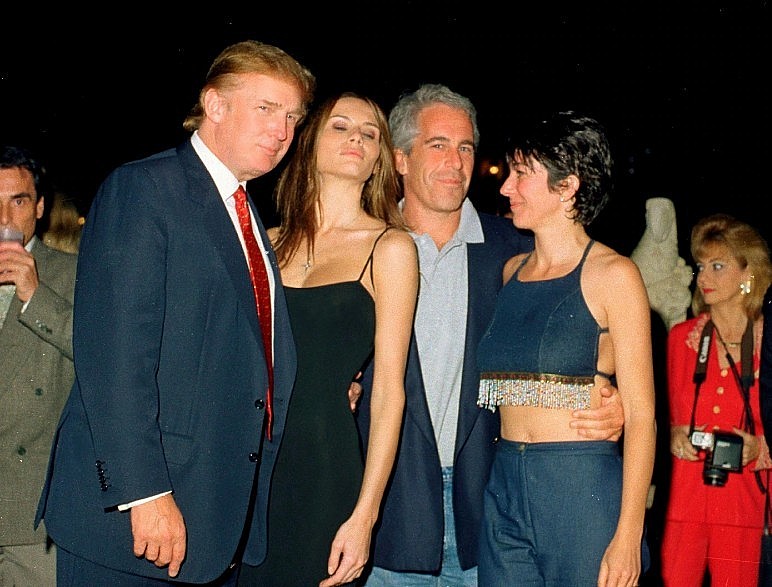
Trump and Jeffrey Epstein were photographed together at social events decades ago, and Trump has acknowledged knowing Epstein socially before later distancing himself. No court has found Trump liable for Epstein’s crimes, and multiple investigations into Epstein’s network have not resulted in charges against him.
The Lake Michigan intake does not change that legal reality. It adds a new allegation to a long list of claims surrounding Epstein, but it does not resolve them.
FAQs
Did DOJ documents prove Trump committed crimes linked to Epstein?
No. The document in question is an FBI intake tip containing unverified allegations. It does not prove criminal conduct.
What exactly happened at Lake Michigan?
The intake report alleges abuse aboard a yacht on Lake Michigan in the 1980s. The claim has not been independently verified or substantiated.
Why would unverified claims appear in DOJ records?
Law enforcement agencies log tips to preserve information, even when credibility is uncertain. Recording a claim is not the same as endorsing it.
Is Trump officially accused in the Epstein case?
Trump has not been charged or formally accused by prosecutors in connection with Epstein’s crimes.
How should readers approach newly released Epstein files?
With caution. Check the document type, look for corroboration, and avoid treating allegations as established facts.
Bottom line
The Lake Michigan document is real, but its claims remain unproven. In a case defined by secrecy and speculation, the difference between allegation and evidence is not a technicality. It is the line that separates truth from rumor.
 Inside the Trump–Epstein Birthday Letter: A Bawdy Sketch That Reignited a Political Firestorm Inside the Trump–Epstein Birthday Letter: A Bawdy Sketch That Reignited a Political Firestorm A bizarre 2003 birthday letter allegedly from Trump to Epstein resurfaces—complete with a nude sketch and cryptic message. Here’s what it says, why it matters, ... |
 New Pics, Video of Jeffrey Epstein’s Infamous Private Island Reveal Disturbing Details Behind the Luxury New Pics, Video of Jeffrey Epstein’s Infamous Private Island Reveal Disturbing Details Behind the Luxury Newly released photos and video from Jeffrey Epstein’s private island give the clearest look yet inside the secluded estate at the center of long-standing trafficking ... |
 Who is the Mystery Woman with Bill Clinton in Epstein Photo? Who is the Mystery Woman with Bill Clinton in Epstein Photo? Fresh disclosures from the long-running release of records tied to Jeffrey Epstein have placed Bill Clinton back in the spotlight. |
 Who Is the Mystery Woman in the Bill Gates–Epstein Photo? What the Evidence Shows Who Is the Mystery Woman in the Bill Gates–Epstein Photo? What the Evidence Shows New scrutiny of Epstein-linked photos has revived questions about Bill Gates. A widely shared image shows Gates with Epstein and an unidentified woman. Here’s what ... |
 Who Are the Mystery Women in the Prince Andrew–Epstein Photo? What Newly Released Files Reveal Who Are the Mystery Women in the Prince Andrew–Epstein Photo? What Newly Released Files Reveal Newly released Epstein files include a never-before-seen photo of Prince Andrew sprawled across several women’s laps. Who are the women, and what does the image ... |