What Are the Epstein Files That Disappeared from the DOJ Website? Full Breakdown

 Who Is the Mystery Woman in the Bill Gates–Epstein Photo? What the Evidence Shows Who Is the Mystery Woman in the Bill Gates–Epstein Photo? What the Evidence Shows |
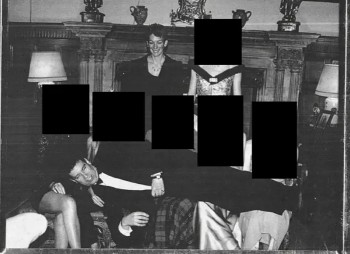 Who Are the Mystery Women in the Prince Andrew–Epstein Photo? What Newly Released Files Reveal Who Are the Mystery Women in the Prince Andrew–Epstein Photo? What Newly Released Files Reveal |
A Sudden Disappearance That Sparked a Firestorm
In late 2025, the U.S. Department of Justice found itself at the center of a growing political and public controversy after multiple Jeffrey Epstein–related files suddenly disappeared from its official website, just hours after being released to the public.
The documents were published as part of a legally mandated transparency effort intended to shed light on one of the most troubling criminal cases in modern American history. Instead, their abrupt removal raised new questions about government accountability, selective disclosure, and whether the full truth about Epstein’s network is still being withheld.
At least 15 to 16 files were confirmed missing, including photographs and visual evidence that quickly drew intense media scrutiny.
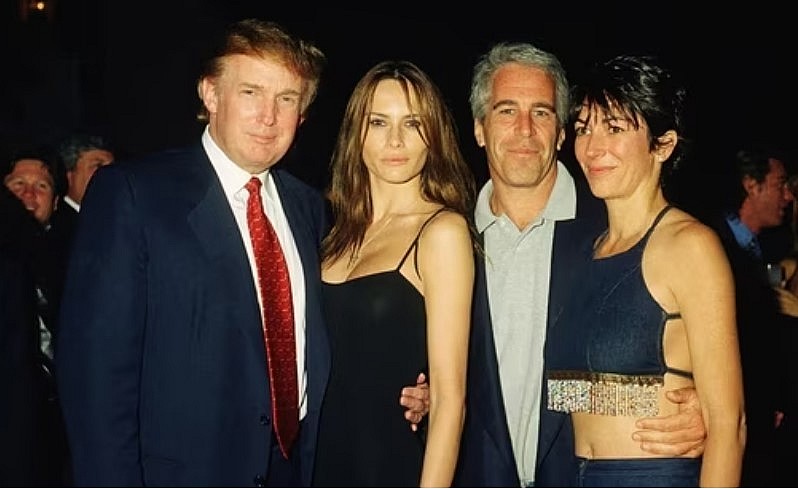 |
| At least 16 Epstein files, including a photo of Trump, disappear from DOJ website |
Who Was Jeffrey Epstein — and Why His Files Matter
Jeffrey Epstein was a wealthy financier accused of running a long-term sex-trafficking operation involving underage girls. His ability to associate with powerful figures across politics, business, and entertainment — while avoiding serious legal consequences for years — has made his case uniquely controversial.
After a highly criticized plea deal in Florida in 2008, Epstein was arrested again in 2019 on federal sex-trafficking charges. He died in jail before trial, officially ruled a suicide, but his death ensured that many questions about his activities and associates would never be resolved in court.
For the public, the documents surrounding Epstein are not just records — they are symbols of potential institutional failure.
Why the DOJ Released the Epstein Files
The release was triggered by the Epstein Files Transparency Act, a bipartisan law passed amid mounting pressure from lawmakers and the public. The act required the Department of Justice to publish all unclassified materials related to Epstein’s investigations within a strict timeframe.
The stated goal was simple:
-
Restore public trust
-
Clarify what authorities knew — and when
-
Demonstrate that no individual or institution was shielded from scrutiny
Thousands of pages were uploaded, including investigative reports, property search photographs, evidence logs, and court records.
What Exactly Was in the Released Files?
The document dump included a wide range of material:
-
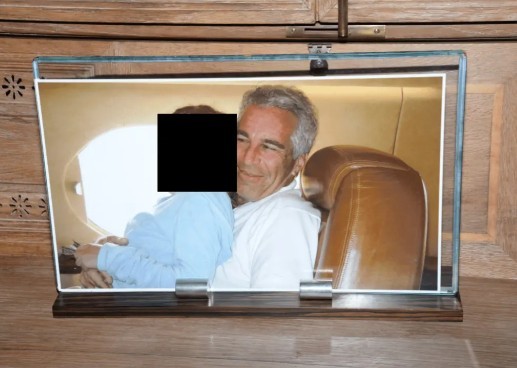
Law enforcement photographs taken from Epstein’s residences
-
Images of artwork, framed photos, and personal belongings
-
Evidence inventories and internal DOJ documentation
-
Records tied to prior investigations in Florida and New York
Some files contained images showing well-known public figures appearing in Epstein’s personal spaces, which immediately drew public attention — not because of proven wrongdoing, but because of Epstein’s history of cultivating proximity to power.
Among the files later removed was an image reported to include a photograph of Donald Trump, a detail that intensified political sensitivity around the disappearance.
 |
| Who Is the Mystery Woman in the Bill Gates Epstein Photo |
The Vanishing: What Disappeared and When
Within 24 hours of publication, journalists and researchers noticed that several files were no longer accessible through the DOJ’s public database.
What made the situation more explosive was not just the disappearance itself, but the absence of:
-
A takedown notice
-
An explanation
-
A revised version of the files
The removed materials were not replaced, flagged, or publicly addressed at the time.
For a release promoted as a transparency milestone, the silence was striking.
DOJ Response: Carefully Worded, Thin on Detail
The Department of Justice later acknowledged it was reviewing materials to ensure compliance with privacy laws, victim protection standards, and legal obligations.
However, officials stopped short of directly explaining:
-
Why specific files were removed
-
Whether their publication was accidental
-
If the files would be restored
This ambiguity only fueled speculation — particularly given the DOJ’s history of criticism over its handling of Epstein’s earlier plea deal.
U.S. Department of Justice emphasized that transparency must be balanced against legal responsibility, but critics argued that retroactive removal undermines the credibility of the entire release.
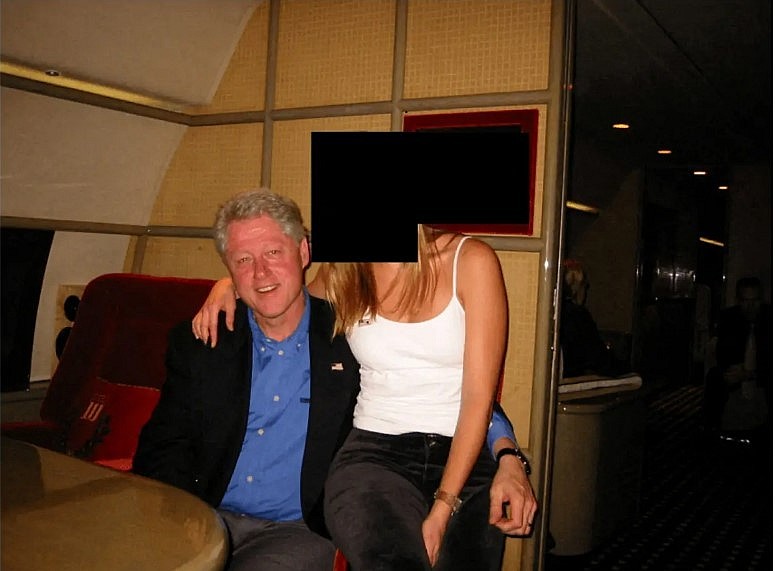 |
| Former U.S. President Bill Clinton is seen with another unidentified woman |
Political and Public Backlash
The response from lawmakers was swift. Several members of Congress demanded answers, warning that selective disclosure could violate the intent — if not the letter — of the transparency law.
Key concerns included:
-
Whether politically sensitive material was quietly withdrawn
-
Whether the DOJ has unilateral power to retract public records
-
Whether future releases could be similarly altered
Victims’ advocates also voiced frustration, arguing that excessive redaction and unexplained removals continue a long pattern of institutional opacity surrounding Epstein.
Why the Disappearance Matters Beyond Epstein
This incident extends far beyond one criminal case.
It raises fundamental questions about:
-
Government transparency in high-profile investigations
-
Public access to historical records
-
Trust in official digital archives
In an era where public confidence in institutions is already fragile, even the perception of selective disclosure can have long-lasting consequences.
For many observers, the missing Epstein files have become a case study in how transparency efforts can backfire when execution lacks clarity and consistency.
What Happens Next?
Several paths are now unfolding:
-
Congressional oversight hearings may compel explanations or file restoration
-
Watchdog organizations are archiving released documents independently
-
The DOJ is expected to issue further releases under the Transparency Act
Whether the missing files reappear — and in what form — will likely determine how this episode is remembered: as a procedural misstep or as a deeper failure of accountability.
Conclusion
The disappearance of Epstein-related files from the DOJ website has turned a long-awaited transparency effort into yet another source of doubt and controversy.
At stake is not just what the files contain, but whether the public can trust that once information is released, it will not quietly vanish. Until clear answers are provided, the Epstein files will remain less a revelation — and more an unresolved question mark in American justice.
FAQs
What are the Epstein files?
They are DOJ records related to investigations of Jeffrey Epstein, including evidence photos, reports, and legal documents.
How many Epstein files disappeared?
At least 15–16 files were confirmed missing shortly after publication.
Did the missing files accuse anyone of crimes?
No. The files did not establish wrongdoing by named individuals, but showed contextual evidence tied to Epstein’s environment.
Why is the disappearance controversial?
Because the files were released under a transparency law, and their unexplained removal undermines public trust.
Will the files be restored?
As of now, the DOJ has not confirmed whether the missing files will be republished.
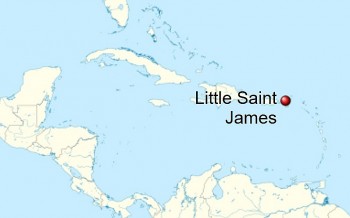 Where is Epstein Island? And What Is The Airport Code Of Little St James? Where is Epstein Island? And What Is The Airport Code Of Little St James? The U.S. Attorney General's office released Jeffrey Epstein files on February 27, including flight logs naming big figures like President Donald Trump. This sparked interest ... |
 Who Is Virginia Giuffre? The Woman at the Center of the Prince Andrew Scandal Who Is Virginia Giuffre? The Woman at the Center of the Prince Andrew Scandal This article explores the life, background, and ongoing story of Virginia Giuffre — from her troubled childhood to her current legal and personal battles. |
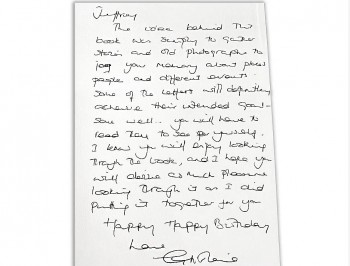 Inside the Trump–Epstein Birthday Letter: A Bawdy Sketch That Reignited a Political Firestorm Inside the Trump–Epstein Birthday Letter: A Bawdy Sketch That Reignited a Political Firestorm A bizarre 2003 birthday letter allegedly from Trump to Epstein resurfaces—complete with a nude sketch and cryptic message. Here’s what it says, why it matters, ... |
 New Pics, Video of Jeffrey Epstein’s Infamous Private Island Reveal Disturbing Details Behind the Luxury New Pics, Video of Jeffrey Epstein’s Infamous Private Island Reveal Disturbing Details Behind the Luxury Newly released photos and video from Jeffrey Epstein’s private island give the clearest look yet inside the secluded estate at the center of long-standing trafficking ... |
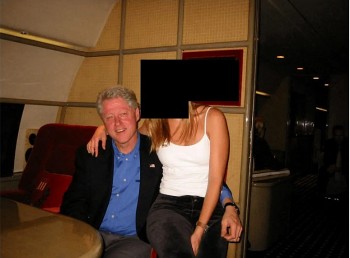 Who is the Mystery Woman with Bill Clinton in Epstein Photo? Who is the Mystery Woman with Bill Clinton in Epstein Photo? Fresh disclosures from the long-running release of records tied to Jeffrey Epstein have placed Bill Clinton back in the spotlight. |