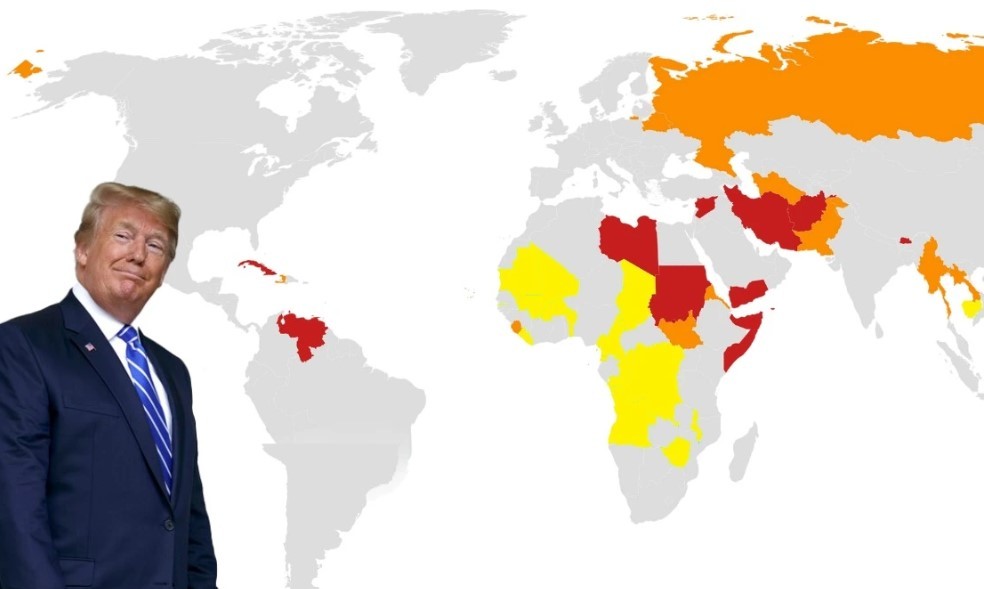
List of 30 Nations Under Review as Trump Administration Weighs Expanded Travel Ban After National Guard Shooting



List of 30 Nations Under Review for a Possible Expanded Travel Ban
The proposed expansion comes as the administration reevaluates security protocols after the National Guard shooting, which raised concerns about extremist infiltration and cross-border movement. Officials insist the review is not driven by nationality or religion but by systemic security gaps in foreign governments.
While the final list remains classified, intelligence sources and diplomatic leaks point to a group of more than 30 countries flagged for either inadequate identity-management systems, weak counterterrorism coordination, or high-risk political instability.
Below is a categorized breakdown of nations believed to be under review based on current reporting, regional trends, and past watchlists.
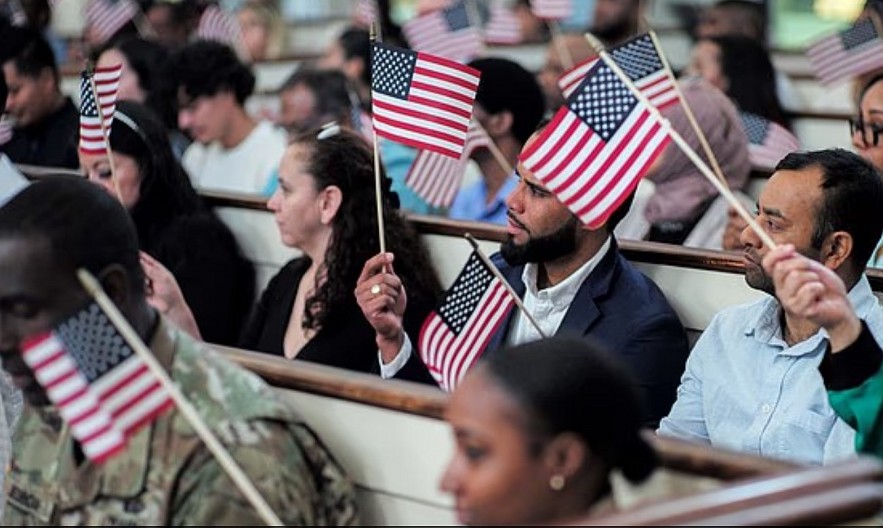 |
| Trump administration weighs expanding travel ban to over 30 nations |
1. Middle East and North Africa
Countries in this region have long been central to US counterterrorism concerns. Several are already under partial restrictions, and the expanded ban could intensify limits on immigration, visas, and refugee programs.
Likely candidates:
-
Syria
-
Yemen
-
Iraq
-
Iran
-
Libya
-
Sudan
-
Somalia
-
Algeria
-
Tunisia
Why they are considered:
Ongoing armed conflict, fragmented government control, active extremist networks, and limited data-sharing capabilities.
2. Sub-Saharan Africa
Africa has experienced a rise in extremist factions affiliated with ISIS and al-Qaeda. US officials have also cited concerns about inconsistent travel documentation systems.
Likely candidates:
10. Nigeria
11. Chad
12. Mali
13. Niger
14. Eritrea
15. Democratic Republic of the Congo
16. South Sudan
17. Mozambique
18. Burkina Faso
Why they are considered:
Areas with active insurgent attacks, porous borders, limited biometric tracking, or unstable regimes.
3. South and Central Asia
This region remains a high priority due to transnational extremist networks and fluctuating political climates.
Likely candidates:
19. Afghanistan
20. Pakistan
21. Bangladesh
22. Uzbekistan
23. Turkmenistan
Why they are considered:
Concerns over militant groups, inconsistent verification systems, and limited cooperation with US intelligence.
4. Southeast Asia
Some Southeast Asian countries face challenges with radicalization, maritime border control, and identity fraud.
Likely candidates:
24. Myanmar
25. Laos
Why they are considered:
Instability, mass displacement crises, and weak passport security.
5. Eastern Europe and Eurasia
A small but notable segment includes countries accused of cyber hostility or lacking transparent records systems.
Likely candidates:
26. Belarus
27. Ukraine (in disputed territories)
28. Armenia
29. Georgia
Why they are considered:
Disinformation concerns, geopolitical conflicts, and incomplete criminal reporting systems.
6. Latin America
Pressure to strengthen border control has pushed several Latin nations into the review process.
Likely candidate:
30. Venezuela
Why it is considered:
Political collapse, mass migration, and suspicions of forged documentation.
Why the Expanded Ban Is Being Considered
The National Guard shooting incident escalated security concerns at a sensitive moment. According to officials close to the review, the administration fears that foreign extremists may exploit weak points in global travel systems.
Key drivers include:
• Inadequate document verification in certain countries
• Lack of biometric data sharing
• Rising extremist activity in multiple regions
• Concerns over insider attacks following the shooting
• Pressure to strengthen border protection ahead of election season
Officials emphasize that broader restrictions would not be uniform. Instead, the plan could include:
• Full travel bans
• Visa limitations
• Enhanced vetting requirements
• Targeted sanctions
• Restrictions limited to government officials or military personnel
International Reaction and Diplomatic Risks
Diplomats from several countries on the rumored list have insisted that they have not been notified. Critics argue the expansion could:
• Damage alliances in counterterrorism
• Push strategic partners closer to rival powers
• Undermine humanitarian collaborations
• Trigger retaliatory restrictions on US travelers
• Expand global resentment toward American policy
Human rights groups have also warned that such bans often disproportionately affect civilians rather than combatants or officials.
Domestic Debate: Security vs. Rights
Supporters claim the expansion is a necessary response to evolving threats, especially after the National Guard incident. They argue that security gaps abroad must be treated as potential entry points for bad actors.
Opponents counter that the ban is overly broad, risks discrimination, and may not meaningfully reduce extremist threats. Some lawmakers predict legal challenges similar to those that accompanied earlier travel bans.
Possible Timeline for Implementation
If approved, the administration could roll out the new restrictions in phases:
-
Initial announcement and publication of final countries
-
60 to 90 day review period for affected nations to improve systems
-
Implementation of bans or restrictions
-
Annual reassessment based on compliance
Affected countries may be removed from the list if they update their passport systems, increase counterterrorism cooperation, or share biometric data with Interpol and US agencies.
What an Expanded Travel Ban Could Mean for Travelers
If enacted, the expanded ban may affect:
• Tourism visas
• Student visas
• Work permits
• Refugee applications
• Family reunification petitions
• Government official travel
US airports may also see new layers of screening for passengers arriving from flagged regions, even if restrictions stop short of a full ban.
Economic and Business Implications
American companies operating globally may face increased hurdles, including:
• Slower international hiring
• Difficulty securing work visas for foreign professionals
• Reduced business travel
• Risks of strained trade relationships
• Added compliance requirements for employee travel
Industries such as aviation, technology, higher education, and hospitality could experience significant impact.
Conclusion
The Trump administration’s consideration of a travel ban expansion to more than 30 nations marks one of the most significant immigration and security policy shifts in recent years. The move, triggered in part by the National Guard shooting, underscores a broader debate about how to balance national security with diplomatic stability and human rights.
As discussions continue, the final list of countries and type of restrictions remain unconfirmed. What is clear is that the decision could reshape global movement, international partnerships, and America’s approach to counterterrorism for years to come.
FAQs
1. Has the final travel ban list been released?
No. The administration is still conducting internal reviews.
2. Will all 30 nations face the same restrictions?
Unlikely. Measures may range from enhanced screening to full visa suspensions.
3. Is this expansion related to the National Guard shooting?
Officials say the incident accelerated the security review that was already underway.
4. Can countries avoid being listed?
Yes. Some may be removed if they agree to upgrade security systems or data-sharing procedures.
5. Will US citizens face new restrictions abroad?
Possibly. Some countries could introduce reciprocal policies.