Oil Breaks $100 as Energy Facilities Come Under Fire

 |
| Oil prices top $107 after Iran threatens oil facilities in Saudi Arabia, UAE and Qatar |
Global oil prices have climbed back above $100 per barrel, driven by a sharp escalation in attacks on energy infrastructure across the Middle East. The latest wave of strikes has intensified fears of prolonged supply disruptions, sending shockwaves through global markets and raising concerns about inflation and economic stability.
Brent crude recently surged past $107 and briefly approached $110 per barrel following confirmed attacks on key oil and gas facilities in the region. These gains mark one of the most significant price spikes since the early stages of the conflict and reflect growing uncertainty around global energy supply.
Attacks on Critical Energy Infrastructure
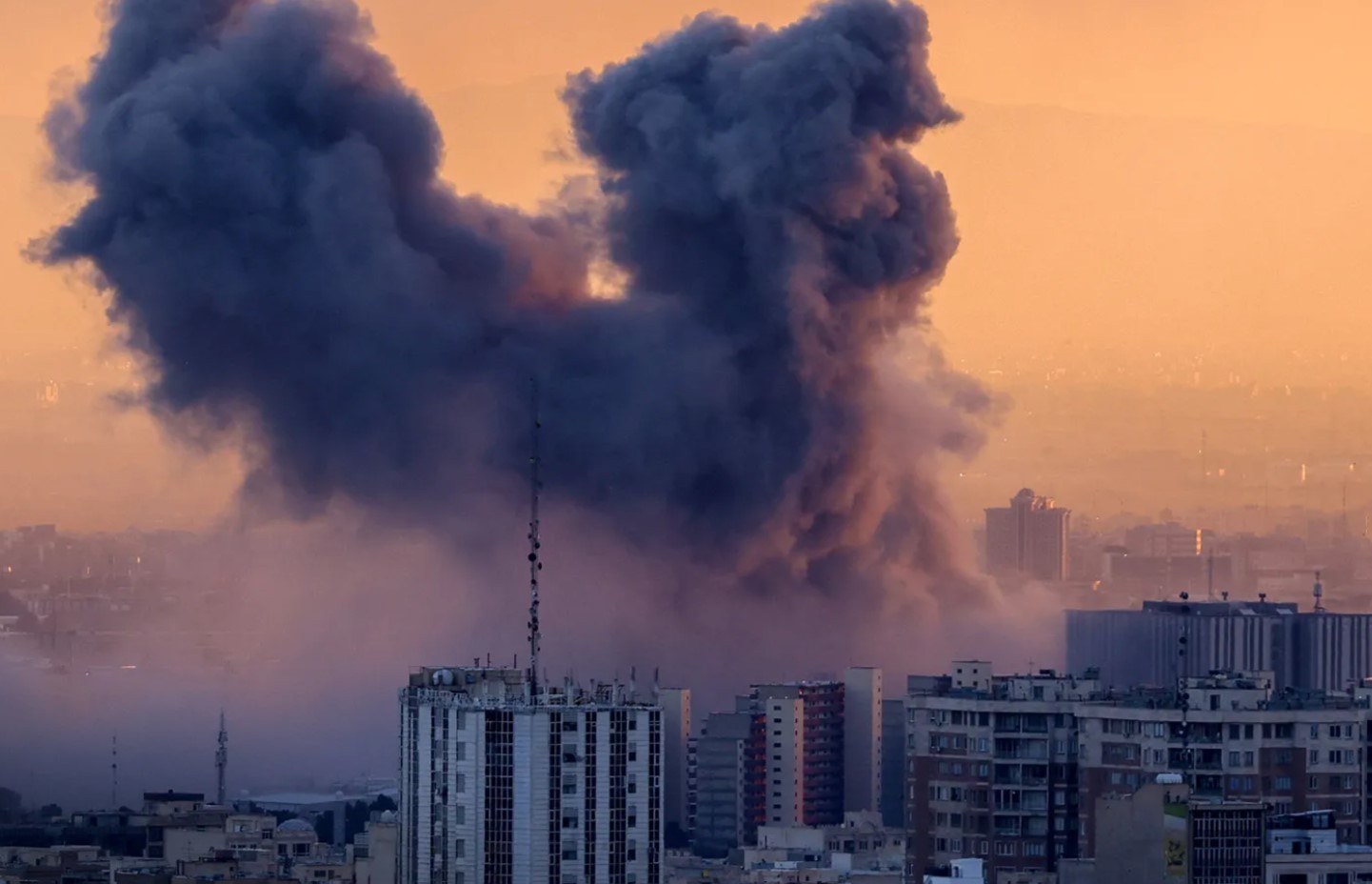
The surge comes after strikes on Iran’s South Pars gas field, the largest natural gas field in the world, along with damage to facilities in Qatar and other Gulf states. In response, Iran has threatened further attacks on oil infrastructure across Saudi Arabia, the UAE, and neighboring countries, signaling a widening regional conflict.
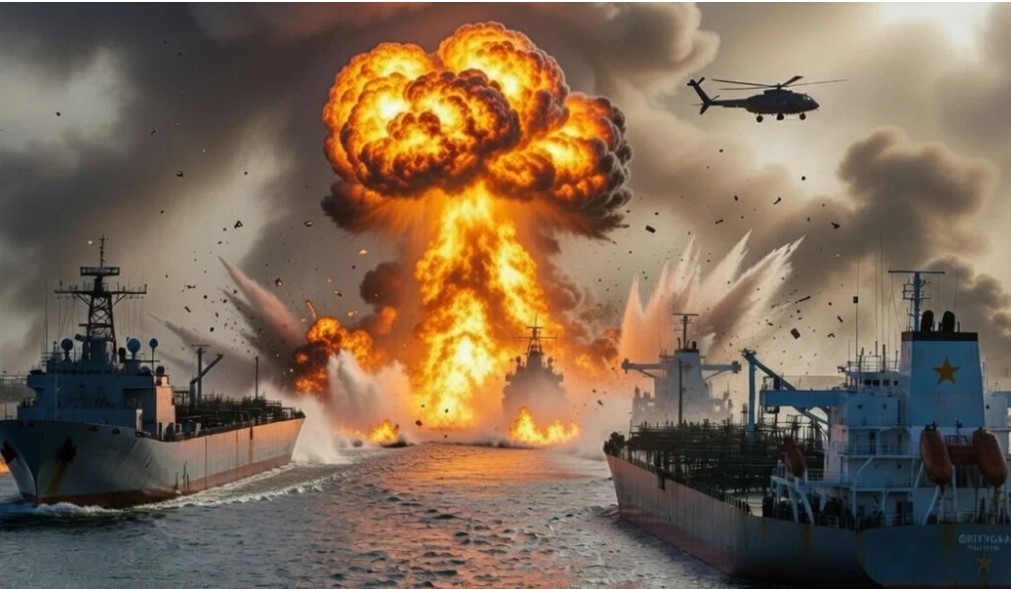
Earlier incidents, including drone attacks on Saudi oil refineries and disruptions to major export routes, had already tightened supply. The situation worsened as shipping through the Strait of Hormuz, a vital artery for global oil trade, dropped sharply, limiting the flow of crude to international markets.
Analysts estimate that disruptions could remove up to 7–10% of global oil supply, a significant shock in an already volatile market.
Global Market Reaction and Economic Risks
Financial markets have reacted swiftly. Oil benchmarks remain elevated above $100, while regional prices in the Gulf have reportedly surged even higher, in some cases exceeding $150 per barrel.
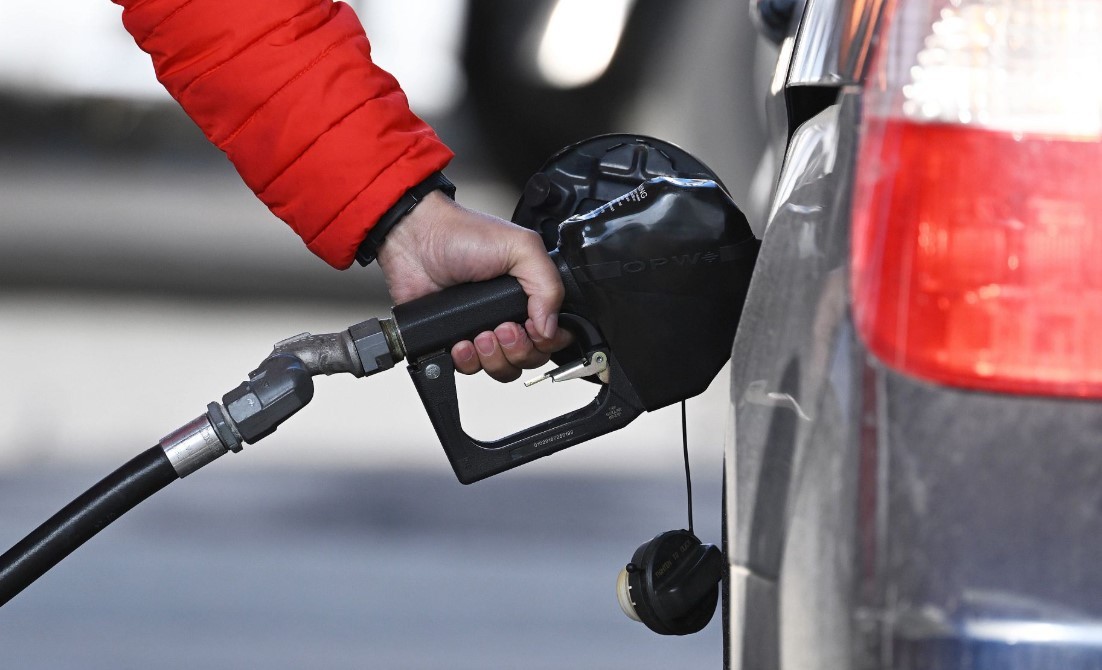
The impact extends beyond energy markets. Rising fuel costs are expected to push inflation higher worldwide, complicating monetary policy decisions and increasing the risk of economic slowdown. Central banks have already warned that the conflict could weaken global growth while driving up consumer prices.
Stock markets have also shown signs of stress, particularly in sectors sensitive to fuel costs such as aviation and logistics.
What Comes Next?
Despite emergency measures such as strategic reserve releases and efforts to reroute supply, the outlook remains uncertain. Much will depend on whether the conflict spreads further or disrupts additional infrastructure.
If attacks continue or the Strait of Hormuz remains constrained, analysts warn that oil prices could climb even higher in the coming weeks.
For now, the return of $100 oil underscores a simple reality: global energy markets remain highly vulnerable to geopolitical shocks, and the Middle East once again sits at the center of that risk.
Tehran’s Streets Become Rivers of Fire as Oil Pipelines Explode After Energy Facility Strikes: