Renee Nicole Good Shooting: When Must an ICE Agent Be Named?

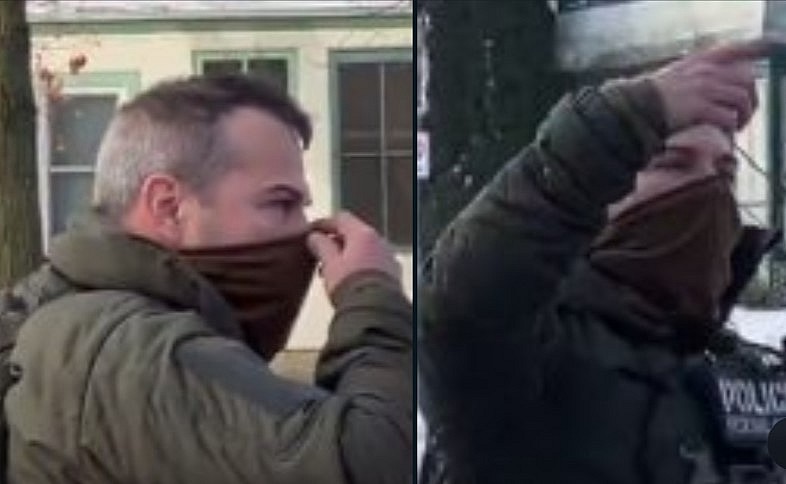 |
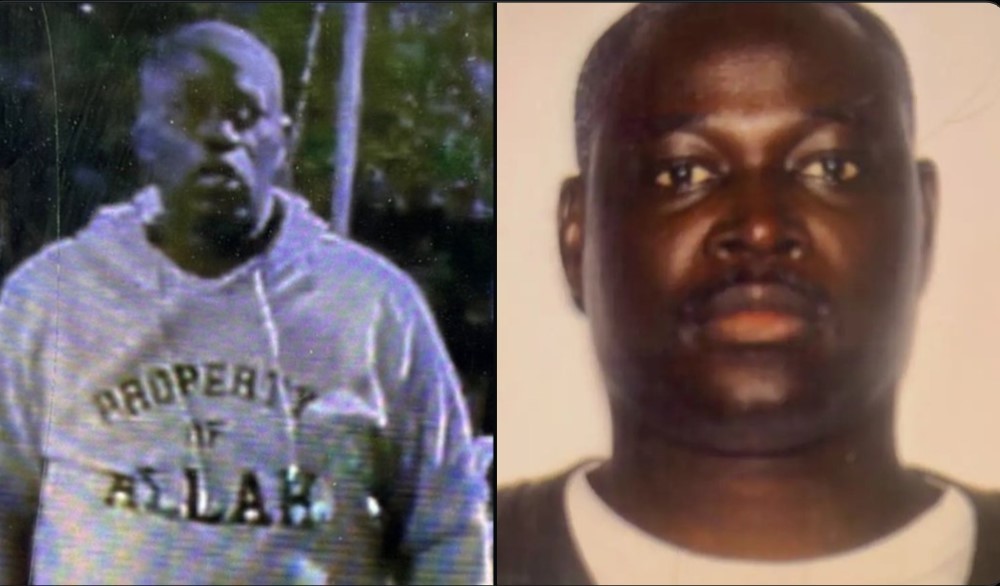
| The ICE agent believed to have fatally shot Renee Nicole Good in south Minneapolis, though authorities have not confirmed the agent’s identity or verified the images |
As the investigation into the fatal shooting of Renee Nicole Good continues, pressure is mounting on federal authorities to answer a question that has become central to public trust: When, if ever, will the ICE agent who fired the fatal shots be required to reveal his identity?
The short answer is that ICE agents are not automatically required to be named, even in deadly shootings. But there are specific legal triggers that can force disclosure — and several may come into play in the Good case.
Read more: Was the ICE Agent’s Fatal Shooting of Renee Nicole Good Legal?
The current status: no automatic disclosure
The agent involved remains unnamed because ICE operates under the Department of Homeland Security, which is not subject to state public-records laws. Unlike local police departments, DHS does not have a policy requiring the release of an officer’s name after a fatal use-of-force incident.
At this stage, the agent’s identity is protected as long as:
-
No criminal charges are filed
-
No civil lawsuit has reached discovery
-
No court order compels disclosure
That protection applies even though video footage exists and public protests have spread nationwide.
Video - This angle clearly shows the ICE agent being hit and dragged on by the car:
Scenario 1: Criminal charges (most definitive trigger)
If the Department of Justice were to charge the ICE agent — under federal civil rights statutes such as 18 U.S.C. § 242 — his name would immediately become public through charging documents.
This is the clearest and fastest path to disclosure.
However, such prosecutions are rare. Federal prosecutors must prove the agent willfully violated Good’s constitutional rights, a high legal bar that historically results in very few charges against federal officers.
Read more: Why the ICE Agent Remains Unnamed?
Scenario 2: Civil lawsuit by the family (most likely path)
The most realistic path to disclosure is a federal civil lawsuit filed by Good’s family.
If her relatives file a wrongful-death or civil-rights action:
-
The ICE agent may initially be listed as “John Doe”
-
Once the case enters discovery, DHS can be compelled to disclose the agent’s name to the court
-
The name may later appear in amended complaints or court rulings
This process can take weeks or months, but it is how identities have surfaced in past federal use-of-force cases.
Scenario 3: Court order or judicial ruling
A federal judge can order disclosure if the agent’s identity is deemed essential to:
-
The public’s right to access judicial proceedings
-
The fairness of a trial
-
The resolution of constitutional claims
Courts sometimes balance agent safety against transparency — and in high-profile deaths, judges have increasingly leaned toward disclosure once proceedings advance.
Scenario 4: Congressional investigation
If Congress opens a formal inquiry into ICE’s use of force in Minneapolis:
-
DHS officials could be required to identify the agent in testimony or records
-
Names may appear in committee reports or exhibits
This path depends entirely on political will and timing, but it has occurred in other federal law enforcement controversies.
Scenario 5: Investigative reporting (rare but possible)
In exceptional cases, major investigative outlets identify agents through:
-
Multiple confidential sources
-
Court records from related cases
-
Extensive legal review
This typically happens only after months of reporting and corroboration and carries significant legal risk for publishers.
Read more: A Critical Moment Before the Gunfire: How the Minneapolis ICE Shooting Unfolded
Why the prior “dragging” case matters
In the June 2025 Bloomington incident, the same ICE agent was dragged roughly 100 yards by a fleeing driver, later identified as Roberto Carlos Munoz-Guatemala, who was convicted of assaulting a federal officer.
Despite a conviction, hospital records, and sworn testimony, the agent’s name was never publicly released.
That precedent shows DHS’s consistent position: agent identity is protected whether the agent is a victim or a shooter, unless disclosure is legally unavoidable.
What to watch for next
In the Good case, the agent’s identity is most likely to be revealed if:
-
The family files a civil lawsuit
-
A judge orders disclosure
-
Prosecutors bring charges
Absent those developments, DHS is under no legal obligation to name the agent.
The bottom line
The ICE agent who killed Renee Nicole Good will not be identified simply because the public demands it — or because protests continue.
Disclosure will come only if law or courts force it.
Until then, the case highlights a stark reality of federal law enforcement: lethal force can be used, investigated, and defended without the shooter ever being publicly named — unless accountability mechanisms are activated.
That reality, more than any single shooting, is what has fueled the growing national debate.