The Real Cost of Living in Greenland: What $100 Buys You in Five Very Different Towns

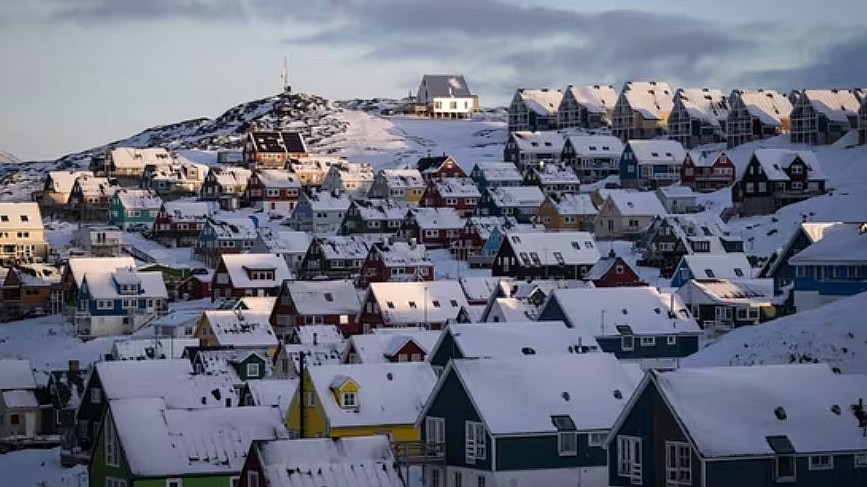 |
| Amid US interest in Greenland, residents firmly oppose the notion of being sold |
For Americans, Greenland often feels abstract: ice, distance, remoteness. But nothing makes the reality of life there clearer than prices. In Greenland, money stretches—or shrinks—depending heavily on where you are.
A hundred dollars in Greenland does not mean the same thing everywhere. Geography, transport, and population size quietly shape daily economics in ways most visitors don’t expect.
Here’s what $100 can realistically buy in five very different Greenlandic towns.
Read more: Greenland Without Tour Guides: What Independent Travelers Don’t Realize Until It’s Too Late
Nuuk: The most “normal” $100 in Greenland
Nuuk, the capital, feels closest to what Americans recognize as a functioning city. It has supermarkets, cafés, and relatively stable supply chains.
With about $100, you might buy:
-
A few days of groceries for one person
-
Fresh produce, though limited and seasonal
-
Bread, dairy, coffee, and some imported meat
You will still notice sticker shock. Almost everything is imported, and nothing arrives cheaply. But Nuuk’s volume and shipping frequency soften the extremes seen elsewhere.
For first-time visitors, Nuuk often creates false expectations. Prices are high, but manageable. That changes fast once you leave.
Ilulissat: Tourist town pricing without tourist wages
Ilulissat attracts visitors for its icefjord, but many residents live on seasonal or service-based income. Prices reflect demand, not salaries.
Your $100 here might cover:
-
One modest restaurant meal for two, no alcohol
-
Basic groceries for two or three days
-
Snack food that costs noticeably more than in Nuuk
During peak tourist season, availability matters more than price. When supply runs low, choice disappears before prices come down.
Sisimiut: Functional, but limited
Sisimiut is Greenland’s second-largest town and an important regional hub. Prices sit between Nuuk and smaller settlements.
With $100, you could expect:
-
Several days of basic groceries
-
Frozen foods more common than fresh
-
Fewer brand options, but reliable staples
Life here runs efficiently, but variety is sacrificed. Residents adapt by planning meals around what arrives, not what they crave.
Read more:
- Where Is Greenland? How to Get Greenland from The USA
- From Greenland to ‘Red, White, and Blueland’ – America’s Wildest Land Grab Yet?
- Where is Greenland: Why Trump’s renewed interest
Aasiaat: When logistics start to dominate
In Aasiaat, shipping schedules shape daily life. Delays ripple quickly through store shelves.
Your $100 may buy:
-
Essentials only, with little flexibility
-
Limited produce, often nearing the end of its shelf life
-
Higher prices for fuel-related goods
Here, money buys security more than comfort. Locals prioritize staples and plan carefully between shipments.
A small settlement: $100 buys survival, not choice
In Greenland’s smallest communities, the economics shift completely. There may be only one store. Prices are high because transport is infrequent and costly.
A hundred dollars might get you:
-
A small basket of essentials
-
Almost no fresh produce
-
Few substitutes if something is unavailable
Impulse buying doesn’t exist. Shopping is strategic.
This is where Americans most clearly see the difference between price and value. Goods cost more not because of profit, but because getting them there is hard.
Why prices vary so much
Three forces drive Greenland’s price gaps:
1. Transportation: Most goods arrive by ship or plane. Smaller towns receive fewer deliveries.
2. Scale: Low population means low volume and higher per-item costs.
3. Geography: Weather disruptions add uncertainty that retailers must price in.
Unlike in the U.S., competition rarely pushes prices down. Availability is the real currency.
The takeaway Americans miss
InGreenland, cost of living isn’t about luxury. It’s about logistics.
A $100 bill reflects distance, weather, and planning more than consumption. Locals don’t measure affordability by how much they can buy, but by whether essentials will last until the next shipment.
For visitors, this offers a useful reset. Greenland isn’t expensive because it’s exclusive. It’s expensive because it’s far—and far changes everything.