The Rise of Digital Red Envelopes in Lunar New Year 2026

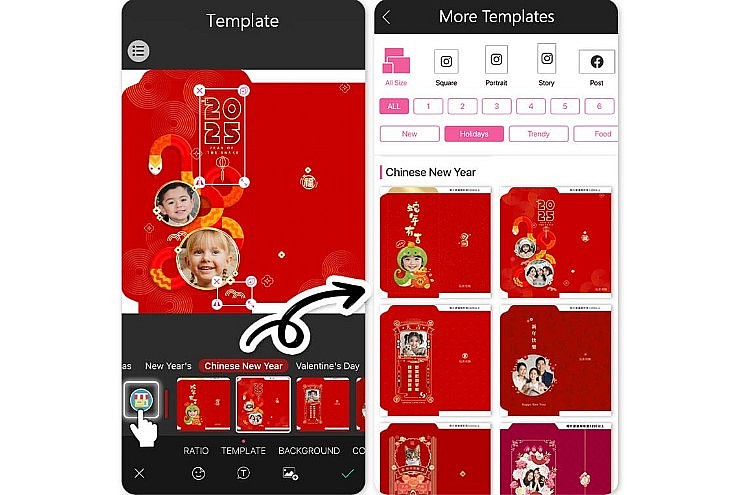 |
| Create Digital Red Envelopes for Chinese New Year |
Lunar New Year 2026 begins on February 17, 2026, and one tradition is evolving faster than almost any other: the red envelope.
For generations, hongbao (Chinese), lai see (Cantonese), and lì xì (Vietnamese) meant crisp bills tucked into a red packet, handed to children and loved ones with a short wish for luck. In 2026, that same ritual is increasingly delivered by phone, often with a tap, a message, and a festive animation.
Digital red envelopes are not a niche trend anymore. They’re a mainstream New Year habit for many diaspora families across the US, Canada, the UK, and Australia, especially when relatives live in different cities or countries.
Read more: Lunar New Year: Virtual Red Envelopes, E-Hongbaos in the Spotlight
From Paper to Phone: Why Digital Lucky Money Took Off
Digital red envelopes became widely popular after major platforms turned them into a simple, social feature. Tencent’s WeChat launched red envelopes in 2014, helping normalize “lucky money” as something you could send instantly in a chat.
What started as convenience quickly became culture. The digital format keeps the core meaning (a blessing + a gift), while removing the hardest part of the old method: getting cash, carrying it, and meeting in person.
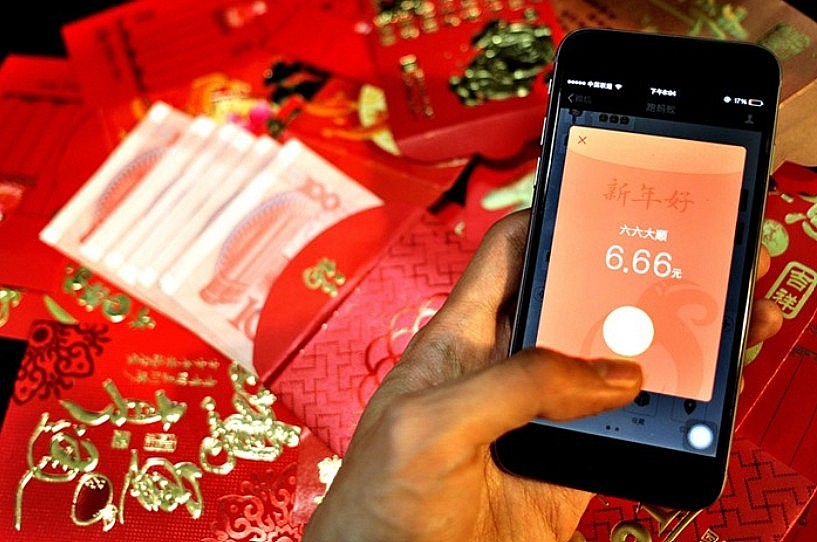 |
| The beloved Chinese "hongbao" has gone digital. Photo: VCG |
What’s New in 2026: Red Envelopes Meet AI Marketing
In 2026, digital red envelopes are also being used as a powerful attention and growth tool for tech companies.
Recent reporting shows China’s tech giants are pushing “red envelope” style incentives to attract users during the Lunar New Year period, including campaigns tied to new AI apps.
Even if your audience lives in Toronto or London, these campaigns spill into global feeds. That matters because Lunar New Year content is increasingly shaped by what’s trending online, not only by what happens at home.
Read more: 10 Interesting Facts about Red Envelopes for Lunar New Year
How the Tradition Adapts in the US, Canada, UK, and Australia
In Western countries, people often blend cultural tradition with the payment tools they already use:
-
Canada: Interac now explicitly frames e-Transfers as a way to add a festive touch for Lunar New Year, signaling how mainstream the digital gifting moment has become.
-
Across the diaspora: Remittance services have published guides specifically on sending “digital red envelopes” internationally, reflecting how common cross-border lucky money has become.
What changes in the West isn’t the reason for gifting, but the format:
-
more long-distance giving (grandparents abroad, cousins across states)
-
more adult-to-adult gifting (supporting parents, sharing with friends)
-
more mixed-culture households wanting a simple, respectful way to participate
What Makes a Digital Red Envelope Still Feel “Traditional”?• A digital transfer feels like lucky money when it includes: • A short wish (“Wishing you health and luck this year”) • A symbolic amount (some families prefer numbers associated with luck) • A festive presentation (card, emoji, red-themed message, or themed cover) |
The Big Trade-Off: Convenience vs. Safety
Digital gifting is fast, but it can also attract scams, especially during holiday peaks. In 2026, the best advice is simple: treat digital red envelopes like cash.
Smart habits:
-
send money only to people you know and can verify
-
avoid clicking “red envelope” links from strangers or random group chats
-
double-check names and accounts before confirming a transfer
These small steps protect the tradition from turning into a holiday headache.
Why This Trend Will Keep Growing
Digital red envelopes fit modern life: fewer people carry cash, families are more spread out, and holiday moments often happen in group chats first. Add strong platform promotion and holiday incentives, and the growth is easy to understand.
In Lunar New Year 2026, the message stays the same: luck, care, and connection. The envelope just happens to be digital now.
FAQs
What is a digital red envelope?
It’s a money gift sent digitally, usually with a short Lunar New Year message, inspired by the traditional red packet.
When did digital red envelopes become popular?
They grew rapidly after WeChat introduced red envelopes in 2014 and similar features spread across platforms.
Are digital red envelopes appropriate in Western countries?
Yes. They’re especially common for long-distance families in the US, Canada, UK, and Australia, where in-person visits aren’t always possible.