The “War Surcharge” Question: Why UK Drivers Feel Something Isn’t Right

 |
| The “war surcharge” row isn’t really about Iran. It’s about trust at the pump |
You don’t need to follow oil markets to feel that something is off.
You notice it standing at the pump.
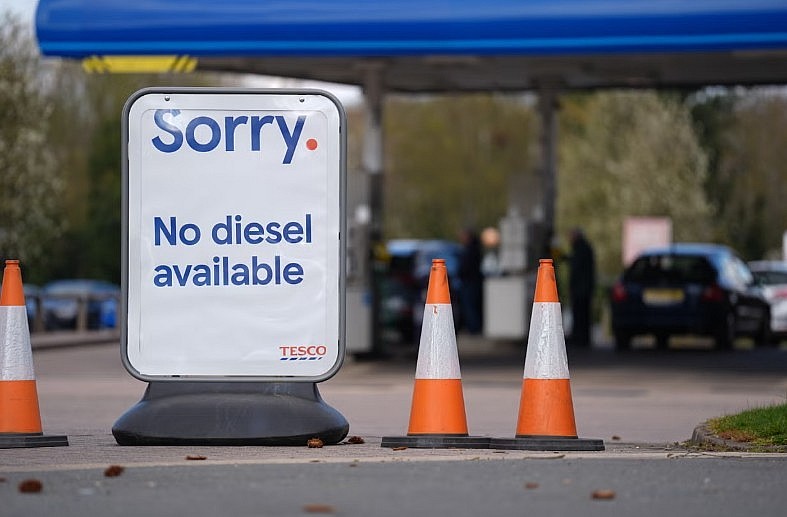
Prices have climbed again—petrol around 157p a litre, diesel pushing close to 191p. The explanation is familiar: tension in the Middle East, risks around Iran, uncertainty in global supply.
Fair enough.
But then you hear that crude oil has already started to ease. And the question creeps in: if the pressure is easing, why aren’t prices?
That’s where frustration turns into suspicion.
It’s not just about Iran
The Iran war fuel impact UK is real. Markets react fast to conflict, especially when key routes like the Strait of Hormuz are involved.
But what drivers are reacting to isn’t just the rise—it’s what happens after.
Prices go up quickly when there’s bad news.
They come down slowly when things stabilise.
People have seen this pattern too many times now. It doesn’t feel like a one-off anymore. It feels built in.
The CMA is already watching
This isn’t just public grumbling.
The CMA petrol investigation is active, and for good reason. The regulator has already said fuel margins in the UK have been “persistently high” and not fully explained by costs.
That matters.
Because it suggests the issue might not be a sudden “war effect,” but something deeper—a market where competition isn’t strong enough to push prices down as quickly as they rise.
Why it hits harder than other costs
Fuel is different.
You can delay buying clothes. You can skip a takeaway. But if you rely on your car—for work, school runs, daily life—you don’t really have a choice.
So the adjustment happens quietly:
- Fewer extra trips
- More checking prices between stations
- A bit more hesitation before driving
It’s not dramatic. It’s constant.
The real issue: trust
Most drivers don’t expect cheap fuel right now.
What they expect is fairness.
That when costs rise, prices rise—but when costs fall, prices follow. Not immediately, maybe, but clearly.
Right now, that link feels weak.
And that’s why the idea of UK fuel price gouging 2026 is gaining traction. Not because people want to accuse, but because they’ve started to notice a pattern they can’t unsee.
One simple question
At the pump, it comes down to something very simple.
Not why is fuel expensive?
But how much of it needs to be?
Until that question has a clearer answer, the frustration isn’t going anywhere.