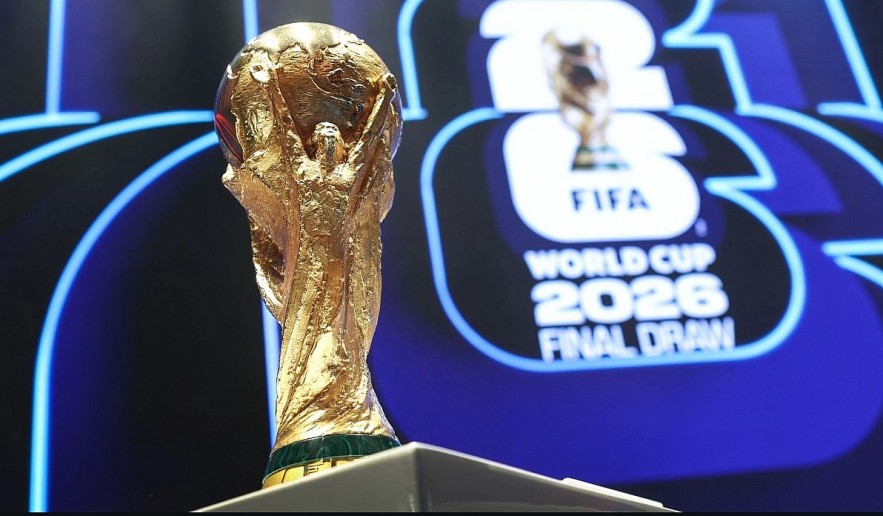
Top 10 Must-Watch Matches in the FIFA World Cup 2026 Group Stage

 |
| World Cup 2026 Group Stage |
The 2026 FIFA World Cup will be the biggest in history. For the first time, 48 teams will compete across the United States, Canada, and Mexico. That expanded format means more matchups, more storylines, and less margin for error in the group stage.
Some games will shape the tournament. Others will define legacies. Here are the 10 must-watch group stage matches fans should circle right now.
1) Brazil vs Morocco
Brazil carry the weight of five World Cup titles. Morocco carry momentum and belief after becoming the first African nation to reach a World Cup semifinal in 2022.
This isn’t just a glamour matchup. Morocco already proved they can beat elite teams, including a win over Brazil in a recent friendly. If Brazil want to reassert dominance early, this is the test.
Why it matters: A potential Group C decider with upset potential.
2) France vs Norway
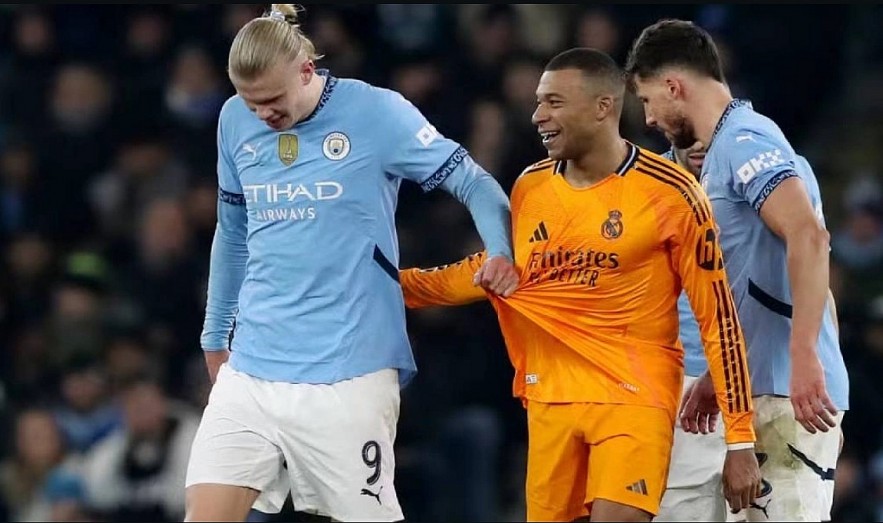 |
| France vs Norway |
This is the superstar showdown everyone wants: Kylian Mbappé vs Erling Haaland.
France remain one of the deepest squads in international soccer. Norway, powered by Haaland’s goal scoring, have the firepower to challenge anyone. If both stars are in rhythm, this could be one of the highest-quality games of the entire group stage.
Why it matters: Elite talent. Global audience. Possible group winner at stake.
3) Argentina vs Mexico
Few matchups bring this much emotion.
Argentina enter 2026 as defending world champions. Mexico will have massive regional support, especially in U.S. venues. History favors Argentina, but Mexico consistently elevate their level on the biggest stage.
Expect intensity from the first whistle.
Why it matters: Regional pride, packed stadiums, and real knockout implications.
4) England vs Croatia
Recent tournament history adds spice to this one.
England’s young core continues to mature, while Croatia remain one of the toughest, most disciplined tournament teams in Europe. Every time these two meet in a major competition, it feels consequential.
Why it matters: Experience versus emerging depth in a high-pressure group match.
5) Spain vs Uruguay
A tactical chess match.
Spain’s possession-heavy style will collide with Uruguay’s physical edge and defensive discipline. Uruguay thrive in high-intensity battles. Spain prefer control and rhythm. Whoever dictates tempo likely wins.
Why it matters: A classic Europe vs South America clash with knockout-round vibes.
6) Netherlands vs Japan
This is a true style contrast.
The Netherlands bring structure, size, and tactical balance. Japan bring speed, technical precision, and fearless pressing. Japan have upset traditional powers before. The Dutch know they can’t afford a slow start.
Why it matters: A potential surprise result that reshapes Group F.
7) Portugal vs Colombia
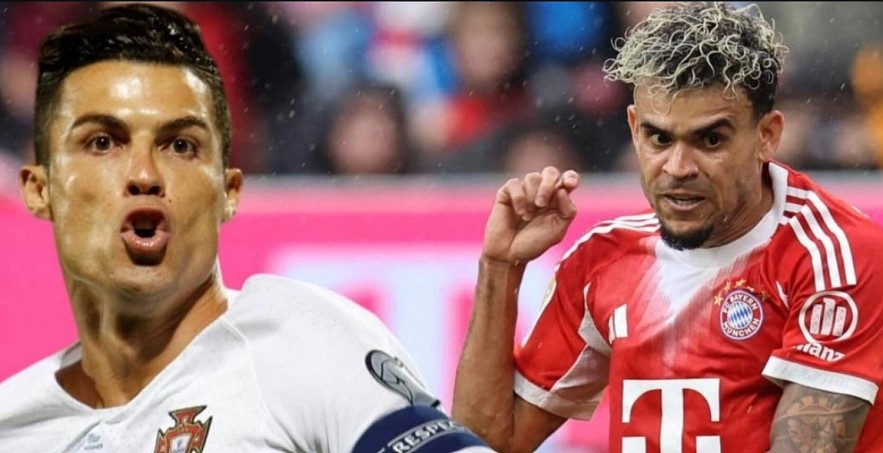 |
| Portugal vs Colombia |
Portugal’s squad depth keeps them in every contender conversation. Colombia bring flair, pace, and unpredictability.
If the group standings are tight heading into this match, it could feel like a knockout game before the knockouts begin.
Why it matters: Attacking talent on both sides and major Round-of-32 implications.
8) Germany vs USA
The host nation against a four-time world champion.
The United States will play with energy and crowd support. Germany bring tournament pedigree and tactical discipline. This is more than a group game. It’s a measuring stick for American soccer on home soil.
Why it matters: Host pressure meets European tradition.
9) Italy vs Belgium
Two European powers with something to prove.
Italy aim to reinforce their identity as tournament specialists. Belgium’s experienced core may see this as one of their final major opportunities. Expect a disciplined, detail-driven battle.
Why it matters: Fine margins, high stakes, and elite midfield control.
10) France vs Senegal
History gives this matchup extra weight.
Senegal famously stunned France in a past World Cup opener. France now enter 2026 as perennial contenders with unmatched depth. Senegal have the athleticism and defensive structure to frustrate any favorite.
Why it matters: Upset potential and major Group I consequences.
Why the 2026 World Cup Group Stage Will Be Different
48 teams instead of 32
Three host nations
A new Round of 32
More cross-continental matchups early
With more teams advancing, every point still counts. A slow start can complicate a path to the knockout rounds. And with talent spread deeper across continents, the gap between favorites and challengers is smaller than ever.
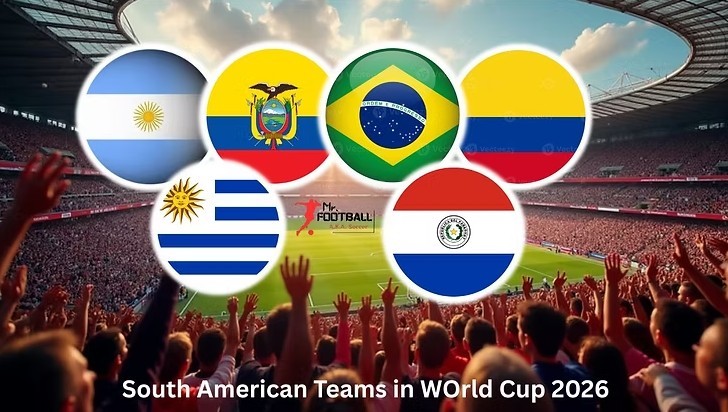
| The 2026 FIFA World Cup will be the 23rd edition of the tournament since its debut in Uruguay in 1930. Expanded to 48 teams, it will feature a record 104 matches across the United States, Mexico, and Canada next summer — up from 64 games at Qatar 2022. Qualified Teams The following nations have secured their spots: United States, Mexico, Canada, Spain, Argentina, France, England, Brazil, Portugal, Netherlands, Belgium, Germany, Croatia, Morocco, Colombia, Uruguay, Switzerland, Japan, Senegal, Iran, South Korea, Ecuador, Austria, Australia, Norway, Panama, Egypt, Algeria, Scotland, Paraguay, Tunisia, Ivory Coast, Uzbekistan, Qatar, Saudi Arabia, South Africa, Jordan, Cape Verde, Ghana, Curaçao, Haiti, and New Zealand. Remaining Spots Six places will be decided by March. In Europe, 16 teams will compete for four berths, including Italy, Wales, Sweden, Poland, Denmark, and Turkey. The intercontinental playoffs will feature DR Congo and Iraq as seeded teams, facing potential opponents such as Jamaica, New Caledonia, Bolivia, or Suriname. |
FAQs: 2026 World Cup Group Stage
When does the 2026 World Cup start?
The tournament kicks off in June 2026, with the group stage played during the opening weeks.
How many teams qualify for the knockout stage?
The top two teams in each group plus the eight best third-place teams advance to the Round of 32.
What is the most anticipated match of the group stage?
France vs Norway, featuring Mbappé vs Haaland, is widely considered the headline clash.
Which match could produce the biggest upset?
Brazil vs Morocco and France vs Senegal both carry strong upset potential based on recent tournament history.
Why is the 2026 World Cup historic?
It’s the first World Cup hosted by three countries and the first to feature 48 teams.