Top 10 States With the Most Homeless People in the U.S. in 2026

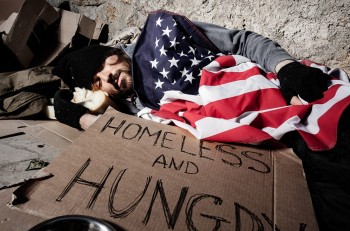
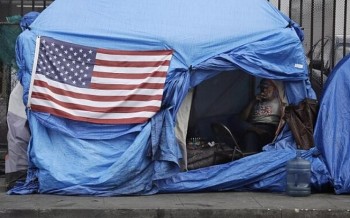

Homelessness in the United States has reached its highest level on record, underscoring a growing national housing and affordability crisis.
According to the most recent Point-in-Time (PIT) count conducted in January 2024 and released an estimated 771,480 people were experiencing homelessness on a single night across the country. This standardized count, led by the U.S. Department of Housing and Urban Development (HUD), remains the most reliable snapshot for comparing homelessness across states.
 |
| Top 10 States With the Most Homeless People in the U.S. |
1. California — 187,084 people
California continues to have by far the largest homeless population in the nation, accounting for nearly one in four homeless individuals nationwide. Sky-high housing costs, chronic shortages of affordable rental units, and a large unsheltered population drive the state’s ranking. California also has the highest number of people living outdoors, in vehicles, or in encampments.
2. New York — 158,019 people
New York ranks second but differs sharply from California in structure. The vast majority of homeless individuals—especially in New York City—are housed in emergency shelters, rather than living unsheltered. Right-to-shelter laws and an extensive shelter system significantly influence the state’s high total.
3. Washington — 31,554 people
Washington holds third place nationally. A large share of the state’s homeless population is concentrated in the Seattle metropolitan area, with housing affordability and limited shelter capacity contributing to a high unsheltered rate.
4. Florida — 31,362 people
Florida closely follows Washington. Rapid population growth, rising rents, and pressure on urban housing markets have driven homelessness upward across major metros such as Miami, Orlando, and Tampa.
5. Massachusetts — 29,360 people
Massachusetts stands out for its large sheltered homeless population. Strong reporting systems and broader shelter access mean more people are counted within formal housing programs, particularly in the Boston area.
6. Texas — 27,987 people
As the second-most populous state, Texas consistently ranks high in absolute numbers. Major cities such as Houston, Dallas, and Austin account for much of the total, though the state has seen progress in certain metro-level housing initiatives.
7. Illinois — 25,832 people
Illinois’ homeless population is heavily centered in the Chicago region. Recent increases reflect economic pressure, migration to urban shelters, and expanded counting efforts in statewide PIT surveys.
8. Oregon — 22,875 people
Oregon continues to face one of the nation’s highest unsheltered rates. Limited housing supply, rising rents, and slow shelter expansion have kept homelessness elevated, particularly in Portland and surrounding areas.
9. Colorado — 18,715 people
Colorado’s rapid population growth and escalating home prices have pushed homelessness upward over the past decade. Denver and nearby Front Range cities account for most of the state’s total.
10. Arizona — 14,737 people
Arizona rounds out the top ten. Phoenix and Tucson dominate the state’s homelessness figures, with a mix of sheltered and unsheltered individuals reflecting climate, housing costs, and service availability.
How to interpret these rankings
It is crucial to understand that the PIT count measures homelessness on one night only, not over an entire year. States with longer shelter stays, better outreach, or larger emergency housing systems may appear higher in rankings—even if fewer people cycle into homelessness annually. Conversely, states with limited shelter capacity often show higher unsheltered counts.
The takeaway
The latest data makes one fact unmistakably clear: homelessness in the U.S. is increasingly concentrated in high-cost, high-population states, led overwhelmingly by California and New York. While local policies, shelter capacity, and counting methods vary, the overall trend highlights a national shortage of affordable housing—and a crisis that continues to deepen heading into 2025.