Top 20 Major Religious Holidays Around the World: Origins, Meanings and How They’re Celebrated

What Are Religious Holidays?
Religious holidays are special observances rooted in faith traditions, marking moments of spiritual significance, historical remembrance, and cultural identity. These designated days are often celebrated through rituals, prayer services, community gatherings, fasting or feasting, and a variety of traditional practices that reflect the beliefs and values of specific religious communities.
While some religious holidays remain primarily within the cultural sphere of particular faith groups, others have achieved global recognition, bringing people together across different backgrounds. From Christmas and Eid al-Fitr to Diwali and Yom Kippur, these observances highlight shared human experiences—such as gratitude, renewal, sacrifice, and compassion—transcending geographical and cultural boundaries.
Religious holidays play a vital role in shaping cultural heritage and social cohesion. They provide opportunities for reflection, reinforce communal identity, strengthen family ties, and create moments of joy and solidarity. Beyond their spiritual significance, these celebrations also foster cross-cultural understanding and appreciation in increasingly diverse societies.
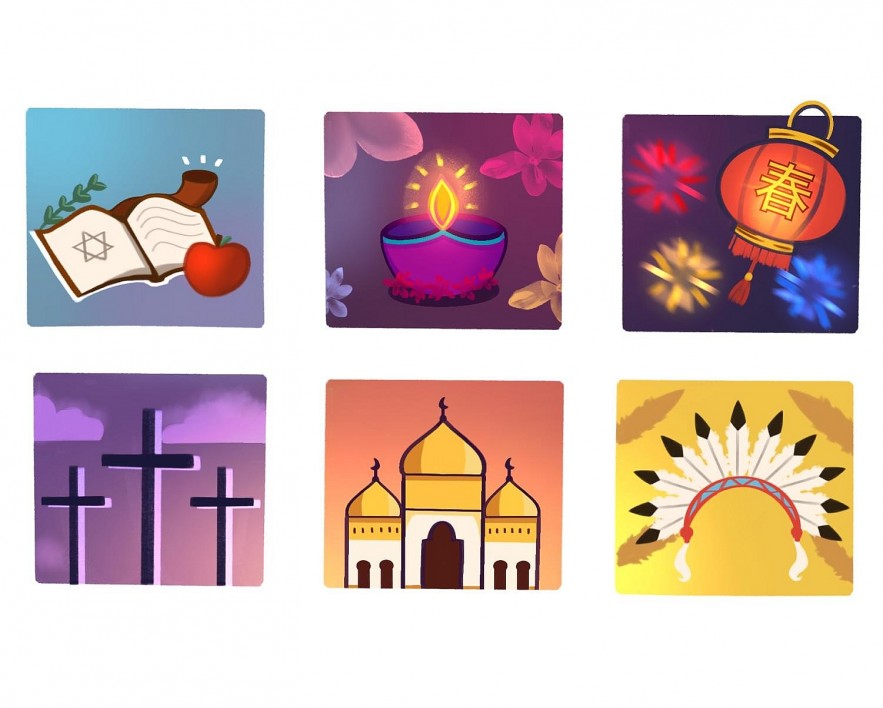 |
| Biggest Religious Holidays Worldwide |
The Major Religious Holidays Worldwide – Timeline
January
-
6 January – Epiphany
Christian feast marking the visit of the Magi to Jesus. -
7 January – Orthodox Christmas
Christmas celebrated by Eastern Orthodox Christians following the Julian calendar.
February
-
Date varies – Lunar New Year
Celebrated across East and Southeast Asia, symbolising renewal and new beginnings.
March
-
Early March (date varies) – Holi
Hindu Festival of Colours celebrating spring, joy, and the victory of good over evil. -
Date varies – Ramadan begins
The Islamic holy month of fasting, prayer, and spiritual reflection.
April
-
Date varies – Passover (Pesach)
Jewish festival commemorating the Exodus of the Israelites from Egypt. -
Early April – Easter
Christian celebration of the resurrection of Jesus Christ.
May
-
Date varies – Vesak (Buddha Day)
Buddhist festival marking the birth, enlightenment, and passing of the Buddha.
June
-
Date varies – Pentecost
Christian holy day commemorating the descent of the Holy Spirit. -
Date varies – Islamic New Year
Marks the beginning of a new year in the Islamic lunar calendar.
July
-
Date varies – Eid al-Adha
Major Islamic festival honouring sacrifice and faith, linked to the Hajj pilgrimage.
August
-
15 August – Assumption of Mary
Christian feast observing the belief that Mary was assumed into heaven.
September
-
Date varies – Rosh Hashanah
Jewish New Year, a time for reflection and renewal. -
Date varies – Yom Kippur
Jewish Day of Atonement, marked by fasting and prayer.
October
-
Date varies – Navaratri / Dussehra
Hindu festivals celebrating the triumph of good over evil.
November
-
Date varies – Diwali
Hindu Festival of Lights, also celebrated by Sikh and Jain communities. -
Date varies – Guru Nanak Jayanti
Sikh celebration of the birth of Guru Nanak, the faith’s founder.
December
-
Date varies – Hanukkah
Jewish Festival of Lights commemorating resilience and faith. -
25 December – Christmas Day
Christian festival celebrating the birth of Jesus Christ.
Note:
Several religious holidays follow lunar or religious calendars, meaning exact dates may vary by region and tradition.
Top 20 Biggest Religious Holidays in the World
-
Christmas (December 25)
- Overview: Christmas is one of the most widely celebrated religious holidays, marking the birth of Jesus Christ. It is a time of joy and togetherness.
- Origin and Significance: Originating from early Christian traditions, Christmas has evolved into a global celebration.
- Activities: Celebrations include attending church services, decorating Christmas trees, gift-giving, and family feasts.
- Scope: Celebrated globally, with over 2 billion people participating.
- Public Holiday: Recognized as a public holiday in many countries, including the U.S., Canada, Australia, and much of Europe.
-
Easter (Date varies; in 2025, Easter Sunday is April 20)
- Overview: Easter celebrates the resurrection of Jesus Christ from the dead, representing hope and renewal for Christians.
- Origin and Significance: Its roots can be traced back to Jewish Passover, highlighting themes of rebirth.
- Activities: Common practices include church services, egg hunts, and festive meals.
- Scope: Millions of Christians worldwide, particularly in Western nations, observe this holiday.
- Public Holiday: Many countries recognize Easter Sunday as a public holiday.
-
Diwali
- Overview: Diwali, or the Festival of Lights, is one of the most important Hindu festivals, symbolizing the victory of light over darkness.
- Origin and Significance: The festival's origins lie in ancient Hindu scriptures and celebrates various deities.
- Activities: People light lamps, set off fireworks, exchange gifts, and share meals with family and friends.
- Scope: Celebrated predominantly in India and by Indian communities worldwide, with approximately 1 billion participants.
- Public Holiday: Recognized as a public holiday in India and several other countries.
-
Ramadan
- Overview: Ramadan is a holy month of fasting for Muslims, emphasizing spiritual growth and reflection.
- Origin and Significance: It commemorates the month in which the Quran was revealed to the Prophet Muhammad.
- Activities: Daily fasting from dawn until sunset, prayers, and communal meals during Ramadan; Eid features festive gatherings and giving of zakat (charity).
- Scope: Observed by around 1.9 billion Muslims globally.
- Public Holiday: Recognized as a public holiday in many Muslim-majority countries.
-
Chinese New Year / Lunar New Year / Tet
- Overview: This festival marks the beginning of the lunar new year and is celebrated by various cultures, including Chinese and Vietnamese communities.
- Origin and Significance: Rooted in ancient agricultural traditions, it symbolizes new beginnings and is a time for family reunions.
- Activities: Families gather for special meals, make offerings to ancestors, enjoy traditional games, and participate in parades.
- Scope: Celebrated by over 1.5 billion people globally, particularly in East Asia and Southeast Asia.
- Public Holiday: Recognized as a public holiday in China, Vietnam, and several other countries.
-
Hanukkah
- Overview: Hanukkah is known as the Festival of Lights and commemorates the rededication of the Second Temple in Jerusalem.
- Origin and Significance: It celebrates the miracle of the oil that lasted eight days, despite being enough for only one.
- Activities: Celebrations include lighting the menorah, playing dreidel, and enjoying traditional foods.
- Scope: Observed by approximately 14 million Jews worldwide.
- Public Holiday: Not a public holiday, but widely celebrated in Jewish communities.
-
Vesak
- Overview: Vesak is a significant Buddhist holiday that honors the birth, enlightenment, and death of Gautama Buddha.
- Origin and Significance: This holiday emphasizes the core teachings of Buddhism and the values of compassion and mindfulness.
- Activities: Buddhists participate in meditation, prayer, and community service.
- Scope: Celebrated by millions of Buddhists around the world, particularly in Asia.
- Public Holiday: Recognized as a public holiday in countries like Sri Lanka and Thailand.
-
Holi
- Overview: Holi is known as the Festival of Colors and celebrates the arrival of spring, symbolizing joy and unity.
- Origin and Significance: Rooted in Hindu mythology, it commemorates the victory of good over evil.
- Activities: Throwing colored powders, singing, dancing, and festive meals.
- Scope: Primarily celebrated in India but also observed in countries with Hindu communities worldwide.
- Public Holiday: Observed as a public holiday in India.
-
All Saints' Day
- Overview: All Saints' Day honors all saints in Christian belief, both known and unknown, and reflects on the lives of those who have lived virtuously.
- Origin and Significance: Established in the early church to celebrate martyrs and the faithful departed.
- Activities: Church services and remembrances of deceased loved ones.
- Scope: Observed primarily in Catholic countries and Christian communities worldwide.
- Public Holiday: Recognized in several countries, including Mexico and Spain.
-
Thanksgiving (Fourth Thursday in November; in 2025, it is November 27)
- Overview: Thanksgiving is a day for giving thanks for the harvest and blessings of the past year, rooted in early colonial traditions.
- Origin and Significance: Originally a harvest festival celebrated by Pilgrims, it has evolved into a family-centered occasion.
- Activities: Thanksgiving celebrations with family gatherings centered around a feast that traditionally includes turkey.
- Scope: Primarily observed in the U.S. and Canada.
- Public Holiday: Recognized as a national holiday in the U.S. and Canada.
-
Ash Wednesday
- Overview: Ash Wednesday marks the beginning of Lent, a solemn period of fasting and penance in Christianity.
- Origin and Significance: Established in the early church, it emphasizes repentance and self-reflection.
- Activities: Ashes are applied to participants' foreheads as a symbol of repentance.
- Scope: Observed by millions of Christians worldwide, particularly Catholics.
- Public Holiday: Not a public holiday.
-
Midsummer
- Overview: Midsummer celebrations coincide with the summer solstice, celebrating the longest day of the year.
- Origin and Significance: Rooted in pagan traditions, it marks the height of summer and is celebrated with joy.
- Activities: Bonfires, dancing, and traditional feasts.
- Scope: Popular in Scandinavian countries and parts of Europe.
- Public Holiday: Recognized as a public holiday in some countries.
-
Sukkot
- Overview: Sukkot is a Jewish harvest festival that also commemorates the Israelites' journey in the desert.
- Origin and Significance: Rooted in biblical commandments, it celebrates gratitude for the harvest.
- Activities: Building and dwelling in temporary shelters (sukkahs) and festive meals.
- Scope: Observed by Jewish communities worldwide.
- Public Holiday: Recognized in Israel.
-
Mawlid al-Nabi
- Overview: Mawlid al-Nabi commemorates the birth of the Prophet Muhammad, serving as a reminder of his teachings and the importance of following his example.
- Origin and Significance: The holiday has roots in Islamic tradition and emphasizes the love and respect for the Prophet among Muslims.
- Activities: Celebrations typically include prayers, singing praises (nashids), sharing food, and community gatherings.
- Scope: Observed in Muslim-majority countries and communities worldwide, with various cultural expressions.
- Public Holiday: Recognized in several countries, including Egypt and Pakistan.
-
Yom Kippur
- Overview: Yom Kippur, or the Day of Atonement, is considered the holiest day in Judaism, focusing on repentance and reflection.
- Origin and Significance: It is rooted in biblical tradition, emphasizing the need for atonement and reconciliation with God and others.
- Activities: Observers fast, engage in prayers, and reflect on their actions over the past year.
- Scope: Observed by Jews worldwide, with a significant impact on Jewish identity.
- Public Holiday: Recognized as a public holiday in Israel.
-
Orthodox Good Friday
- Overview: Orthodox Good Friday commemorates the crucifixion of Jesus Christ, observed during Holy Week in the Eastern Orthodox tradition.
- Origin and Significance: It emphasizes the sacrifice of Jesus for humanity’s sins and is part of the larger Holy Week observances.
- Activities: Orthodox Christians participate in solemn services, including the procession of the Epitaphios (a representation of Christ's body).
- Scope: Observed by Eastern Orthodox Christians globally, particularly in Greece, Russia, and other countries.
- Public Holiday: Recognized as a public holiday in many Orthodox Christian countries.
-
Orthodox Easter Sunday
- Overview: Orthodox Easter, or Pascha, celebrates the resurrection of Jesus Christ, marked by joyous festivities and traditions.
- Origin and Significance: It follows the Julian calendar, which often results in a different date from Western Easter.
- Activities: Celebrations include a midnight service, festive meals, and the exchange of Easter eggs.
- Scope: Observed by millions of Orthodox Christians worldwide.
- Public Holiday: Recognized as a public holiday in many Eastern Orthodox countries.
-
Bodhi Day (December 8)
- Overview: Bodhi Day commemorates the day Gautama Buddha attained enlightenment under the Bodhi tree, emphasizing spiritual awakening and mindfulness.
- Origin and Significance: This holiday highlights the teachings of Buddhism and encourages followers to seek their own enlightenment.
- Activities: Observers meditate, reflect on Buddha's teachings, and may decorate with lights and Bodhi leaves.
- Scope: Primarily observed by Buddhists worldwide, especially in countries with significant Buddhist populations.
- Public Holiday: Not a public holiday.
-
Oktoberfest
- Overview: Oktoberfest is a famous festival originating in Germany, known for its large-scale beer tents and traditional German foods.
- Origin and Significance: Initially a royal wedding celebration in 1810, it has grown into a cultural celebration of Bavarian traditions.
- Activities: Visitors enjoy a wide variety of beers, traditional foods like pretzels and sausages, music, and dancing.
- Scope: Attracts millions of visitors from around the world, celebrating Bavarian culture.
- Public Holiday: Not a public holiday, but widely celebrated in Germany and beyond.
-
Eid al-Adha
- Overview: Eid al-Adha, or the Festival of Sacrifice, commemorates the willingness of Ibrahim (Abraham) to sacrifice his son in obedience to God.
- Origin and Significance: Rooted in Islamic tradition, it emphasizes themes of faith, obedience, and charity.
- Activities: Celebrations involve prayers, the sacrifice of animals, sharing meals, and giving to those in need.
- Scope: Observed by Muslims worldwide, with significant participation in many countries.
- Public Holiday: Recognized as a public holiday in many Muslim-majority countries.
Final Thoughs
Religious holidays serve as vital cultural touchstones for communities around the world. They not only promote spiritual reflection and community bonding but also encourage the sharing of traditions and values across diverse cultures. As globalization continues to intertwine different societies, the observance and recognition of these holidays play an essential role in fostering understanding and respect among people of various faiths.
Frequently Asked Questions (FAQs)
1. What are the most widely celebrated religious holidays worldwide?
- The most widely celebrated include Christmas, Easter, Ramadan, and Diwali, each with billions of participants across different cultures.
2. Are all religious holidays recognized as public holidays?
- No, not all religious holidays are public holidays. Recognition varies by country and culture; for example, Yom Kippur is a public holiday in Israel, while Bodhi Day is not.
3. How do religious holidays differ across cultures?
- While the core themes of many religious holidays (such as community, gratitude, and remembrance) are similar, the customs and traditions can vary significantly between cultures, reflecting local practices and historical contexts.
4. Why are religious holidays important?
- They foster a sense of belonging, help maintain cultural identity, and provide opportunities for individuals and communities to connect spiritually and socially.
 2025 Religious Holidays in the US: Dates, Significance, and Celebrations 2025 Religious Holidays in the US: Dates, Significance, and Celebrations In 2025, various religious groups will celebrate their important holidays, each with its own unique history, meaning, and traditions. This article explores some of these ... |
 Religious Holidays in Australia 2025: Date, Significance, and Celebrations Religious Holidays in Australia 2025: Date, Significance, and Celebrations KnowInsiders will provide an overview of key religious holidays, their historical background, significance, and how they are celebrated across Australia. |