What is Imbolc Festival? Time, Date, Location, Schedule, And Activities
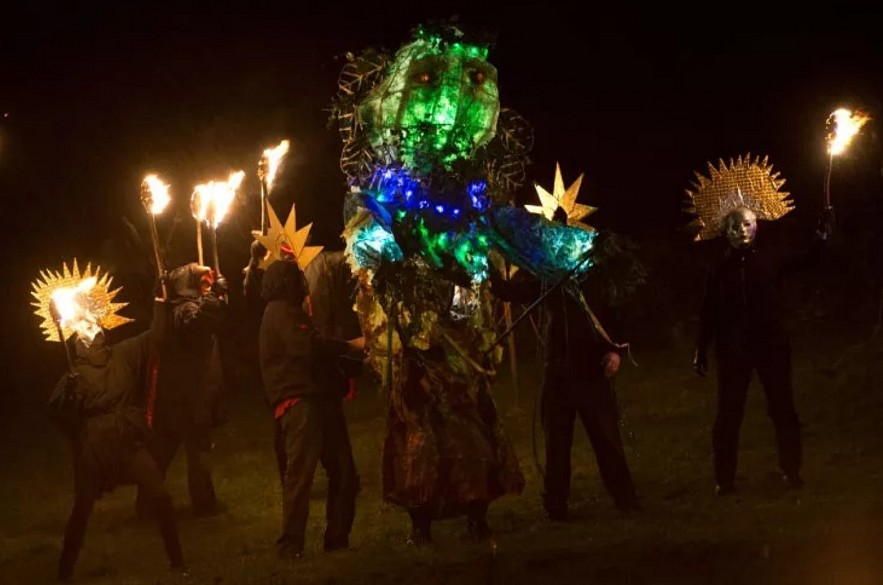 |
| A performer dressed as the Green Man takes part in the biennial Imbolc Celtic fire festival |
What Is Imbolc Festival?
Imbolc Festival is a multidisciplinary arts and culture event inspired by Imbolc, an ancient Celtic seasonal festival traditionally observed at the beginning of February. Rooted in pre-Christian traditions of Ireland and Scotland, Imbolc marks the gradual return of light after winter and symbolizes renewal, purification, and the first stirrings of new life.
In its contemporary American form, Imbolc Festival is not a religious observance. Instead, it is an artistic and cultural reinterpretation that blends visual art, sound, performance, and community-based creative practices. The festival focuses on reflection, slow engagement, and meaningful participation rather than spectacle or mass entertainment.
Read more: Michigan Festivals in 2026 - Dates, Significances, Activities, And Transportation
Where Does It Take Place?
Imbolc Festival is held across multiple independent venues in Detroit and Hamtramck (Michigan), two neighboring cities known for strong grassroots arts communities.
Rather than being confined to a single festival site, events are distributed across:
-
Artist-run galleries
-
Converted warehouses and studios
-
Community art spaces
-
Small performance venues
This decentralized format encourages exploration and reinforces the festival’s emphasis on intimacy, local culture, and connection.
When Does Imbolc Festival Take Place?
Imbolc Festival typically occurs annually between late January and early February, aligning with the traditional Imbolc period on the Celtic calendar (around February 1–2).
For 2026, the festival is scheduled for:
January 29 – February 2, 2026
Events take place over several days, often in the evenings and weekends, allowing visitors to attend selectively or immerse themselves fully across multiple locations.
 |
| Imbolc Festival |
Historical and Cultural Background
Historically, Imbolc was associated with the agricultural calendar and pastoral life, marking the time when sheep began lactating and daylight slowly increased. It was closely linked to themes of cleansing, preparation, and hope for the coming spring.
In modern artistic contexts, especially within North American folk and experimental arts communities, Imbolc has become a symbolic framework rather than a literal reenactment. The Detroit–Hamtramck Imbolc Festival reflects this shift by using Celtic seasonal symbolism as a conceptual foundation for contemporary creative expression.
Core Themes and Meaning
At its heart, Imbolc Festival explores:
-
Transition from darkness to light
-
Renewal after dormancy
-
Intention-setting and reflection
-
The relationship between humans, seasons, and place
These ideas resonate strongly in Michigan’s winter landscape and in Detroit’s broader narrative of cultural regeneration and creative resilience.
Main Activities and Program Highlights
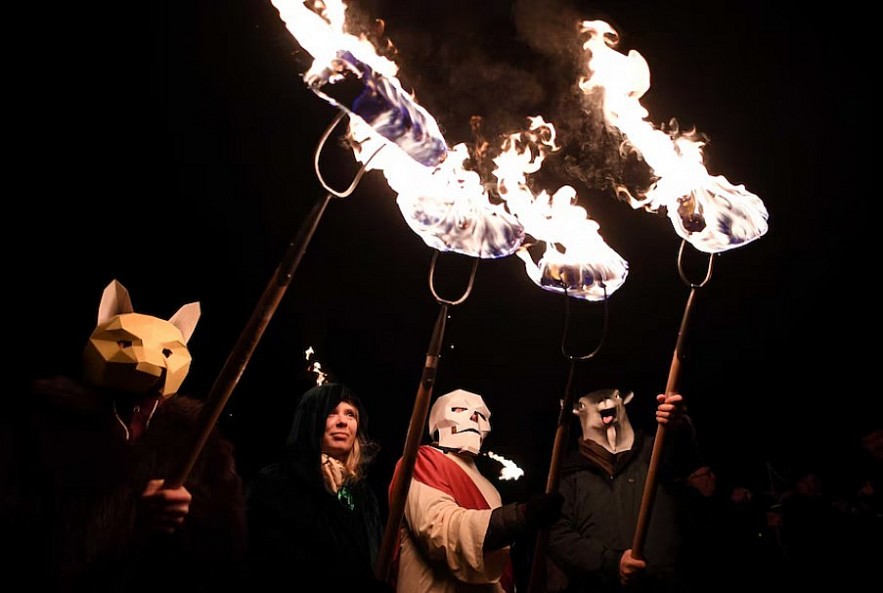 |
| There was a Biddy's Day parade to celebrate the Imbolc in Killorglin, in Ireland's south-west |
Art Exhibitions and Installations
Visual art is central to the festival. Exhibitions often feature work inspired by natural cycles, light, and transformation. Installations may include candles, soft lighting, organic materials, and interactive elements that invite quiet participation rather than passive viewing.
Ambient and Experimental Music
Imbolc Festival is especially known for its ambient, drone, and experimental sound performances. These sets are typically held in small, acoustically intimate spaces and are designed to complement the reflective atmosphere rather than dominate it.
Creative Workshops and Ritual-Inspired Practices
Participants may take part in hands-on workshops such as candle-making, intention writing, or simple craft traditions. These activities are symbolic and inclusive, focusing on mindfulness and creativity rather than spiritual doctrine.
Artist Talks and Community Dialogue
Many events include informal discussions with artists, curators, and musicians. These conversations emphasize process, seasonal thinking, and the role of art during periods of rest and renewal.
Who Should Attend?
Imbolc Festival appeals to:
-
Contemporary and experimental art enthusiasts
-
Ambient and sound art listeners
-
Independent artists and creatives
-
Those interested in folklore, seasonal traditions, and ritual symbolism
-
Visitors seeking a calm, thoughtful alternative to mainstream festivals
The festival is intentionally low-pressure, non-commercial, and welcoming to both seasoned arts audiences and curious newcomers.
Practical Notes for Attendees
-
Some workshops and small performances require advance registration
-
Events often have limited capacity, so early arrival is recommended
-
Dress warmly and comfortably for winter travel between venues
-
Expect a slower pace and quieter environments than typical music festivals
Why Imbolc Festival Matters
Imbolc Festival stands out for its thoughtful integration of ancient seasonal ideas with contemporary artistic practice. By situating the festival in Detroit and Hamtramck, it highlights how global traditions can be meaningfully reinterpreted through local, community-driven creativity.
For many artists and attendees, Imbolc serves as a creative threshold — a moment to pause, reflect, and begin again.