What is the Nipah Virus? Causes, Outbreaks, Transmission, Treatment Gaps, Vaccine Progress



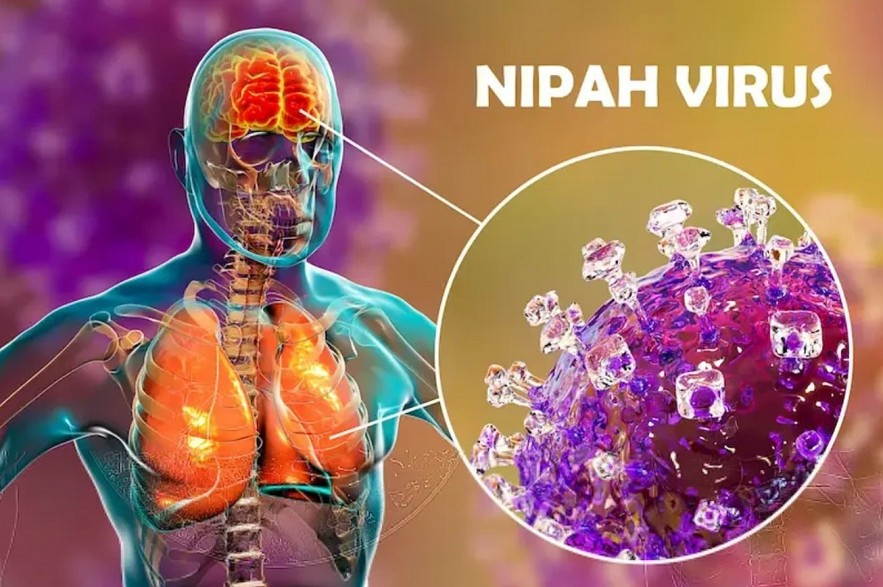 |
| Nipah virus can cause respiratory inflammation and encephalitis, leading to death (Photo: Getty). |
A Virus the World Cannot Ignore
The world’s attention often focuses on viruses only after they spiral into global crises. But long before COVID-19 reshaped daily life, epidemiologists were already warning about another pathogen with the potential to cause devastating outbreaks: the Nipah virus.
Though far less widespread than influenza or coronavirus, Nipah is among the deadliest viruses known to infect humans, killing between 40 and 75 percent of those it infects. It has no approved vaccine, no specific antiviral treatment, and the ability—under certain conditions—to spread from person to person.
For these reasons, the World Health Organization classifies Nipah virus as a priority pathogen with epidemic potential. For U.S. health officials and researchers, it represents a quiet but serious global threat—one that demands preparedness rather than panic.
What Is the Nipah Virus?
Nipah virus (NiV) is a zoonotic virus, meaning it spreads from animals to humans. It belongs to the Henipavirus genus within the Paramyxoviridae family, which also includes viruses that infect animals and humans worldwide.
The virus primarily attacks:
-
The central nervous system, causing inflammation of the brain (encephalitis)
-
The respiratory system, leading to severe breathing problems
In humans, Nipah infection can progress rapidly from flu-like symptoms to coma or death within days.
Where Did Nipah Come From?
Nipah virus was first identified during an outbreak in Malaysia in 1998–1999. More than 250 people were infected, and over 100 died. The outbreak was traced to pig farms, where pigs had been infected by fruit bats and then passed the virus to humans.
To stop the spread, authorities culled more than one million pigs—highlighting both the virus’s severity and its economic impact.
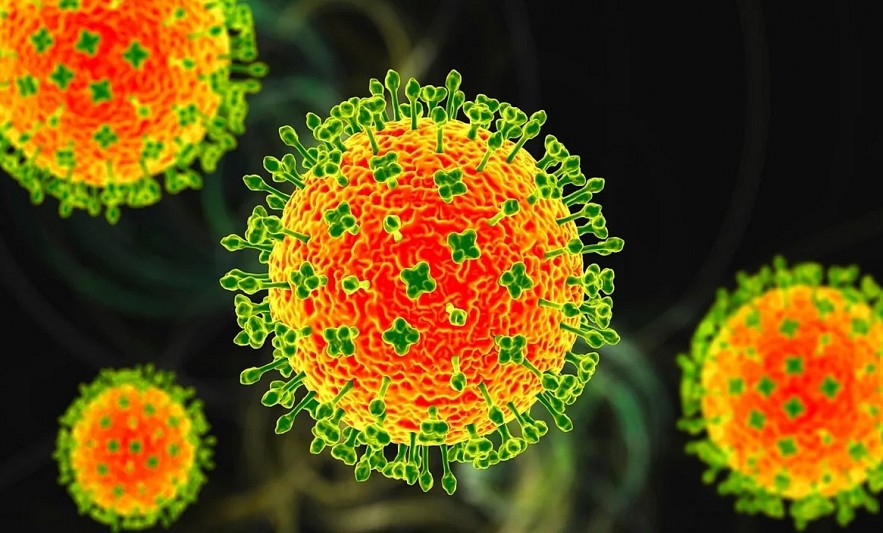 |
| Nipah Virus Explained: Why Scientists Are Watching One of the World’s Deadliest Viruses Closely |
Where Has Nipah Virus Spread Since Then?
Since its discovery, Nipah virus has caused repeated outbreaks, primarily in South and Southeast Asia. Confirmed human cases have occurred in:
-
Bangladesh – nearly annual outbreaks, often linked to contaminated food
-
India – particularly in Kerala and West Bengal
-
Singapore – imported cases during the Malaysia outbreak
-
Philippines – a limited outbreak associated with horses
Importantly, sustained community transmission has never occurred outside Asia.
Has Nipah Virus Reached the United States?
No.
As of early 2026:
-
There have been no confirmed Nipah virus cases in the United States
-
No outbreaks in North or South America
-
No local transmission in Europe
However, the Centers for Disease Control and Prevention closely monitors Nipah as part of its emerging infectious disease surveillance. U.S. laboratories are equipped to test for the virus, and hospitals maintain protocols for managing suspected cases.
Health experts emphasize that while an imported case is theoretically possible, Nipah does not spread easily without close contact, making widespread transmission unlikely under current conditions.
How Does Nipah Virus Spread?
Nipah virus spreads through direct contact, not casual exposure.
Primary transmission routes include:
-
Animal to human
-
Contact with fruit bats (the virus’s natural reservoir)
-
Contact with infected animals such as pigs or horses
-
-
Contaminated food
-
Eating fruit contaminated with bat saliva or urine
-
Drinking raw date palm sap exposed to bats (a major risk factor in Bangladesh)
-
-
Human to human
-
Close physical contact
-
Exposure to respiratory droplets or bodily fluids
-
Most commonly in families or healthcare settings
-
Unlike COVID-19, Nipah is not considered airborne in the general sense.
Symptoms: Why Nipah Is So Dangerous
Symptoms typically appear 4 to 14 days after exposure.
Early symptoms
-
Fever
-
Headache
-
Muscle pain
-
Fatigue
-
Sore throat
Severe symptoms
-
Difficulty breathing
-
Confusion or disorientation
-
Seizures
-
Loss of consciousness
-
Coma
Death often results from brain swelling or respiratory failure.
How Deadly Is Nipah Virus?
Nipah virus has one of the highest fatality rates of any known infectious disease.
-
Case fatality rate: 40–75%
-
Hundreds of documented deaths since discovery
-
Survivors may suffer permanent neurological damage
In some cases, patients who initially recover develop relapsing encephalitis months or even years later.
Diagnosis and Treatment
Diagnosis
Nipah infection is diagnosed using RT-PCR testing of blood, throat swabs, or cerebrospinal fluid. Early diagnosis is critical but challenging because symptoms resemble other viral illnesses.
Treatment
There is no approved antiviral treatment for Nipah virus.
Care is supportive and may include:
-
Intensive care
-
Mechanical ventilation
-
Management of brain swelling
-
Strict isolation to prevent spread
Survival depends heavily on early detection and advanced medical care.
Is There a Nipah Vaccine?
Not yet.
However, progress is underway:
-
Several vaccine candidates have completed early human safety trials
-
A leading candidate developed by researchers at the University of Oxford is undergoing Phase II trials in Bangladesh
-
Research includes viral-vector, protein subunit, and mRNA-based approaches
Despite promising results, no vaccine is approved for public use as of 2026.
Why Scientists Worry About Pandemic Potential
Nipah virus raises red flags for global health experts because it combines several dangerous traits:
-
Extremely high mortality
-
Ability to spread between humans
-
No approved vaccine or treatment
-
Early symptoms that delay detection
-
RNA virus with potential to mutate
For these reasons, the WHO includes Nipah on its Blueprint Priority Diseases list.
Prevention: The Best Defense for Now
Because there is no vaccine or cure, prevention is critical:
-
Avoid contact with wildlife in outbreak regions
-
Do not consume raw or unpasteurized fruit products
-
Use strict infection-control measures in healthcare settings
-
Rapidly isolate and trace contacts of suspected cases
Conclusion: A Virus Worth Watching
Nipah virus is not a household name in the United States—and for now, that is a good thing. But its lethality, unpredictability, and lack of medical countermeasures make it one of the most serious emerging threats in global health.
For scientists, health officials, and policymakers, Nipah serves as a reminder that preparedness matters most before a crisis begins. Continued surveillance, research investment, and international cooperation may determine whether Nipah remains a regional threat—or becomes something far worse.
Frequently Asked Questions (FAQs)
Is Nipah virus like COVID-19?
No. Nipah spreads far less easily but is much deadlier.
Can asymptomatic people spread Nipah?
There is little evidence of significant asymptomatic transmission.
Should Americans be worried right now?
For the general public, the risk is extremely low. For public health systems, vigilance is essential.
Could Nipah become the next pandemic?
Experts say it is unlikely in its current form, but not impossible if conditions change.