Which U.S. Ocean Areas Are Reopening to Commercial Fishing Under Trump’s Proclamations?

 |
| Trump to reopen Northeast Canyons to commercial fishing |
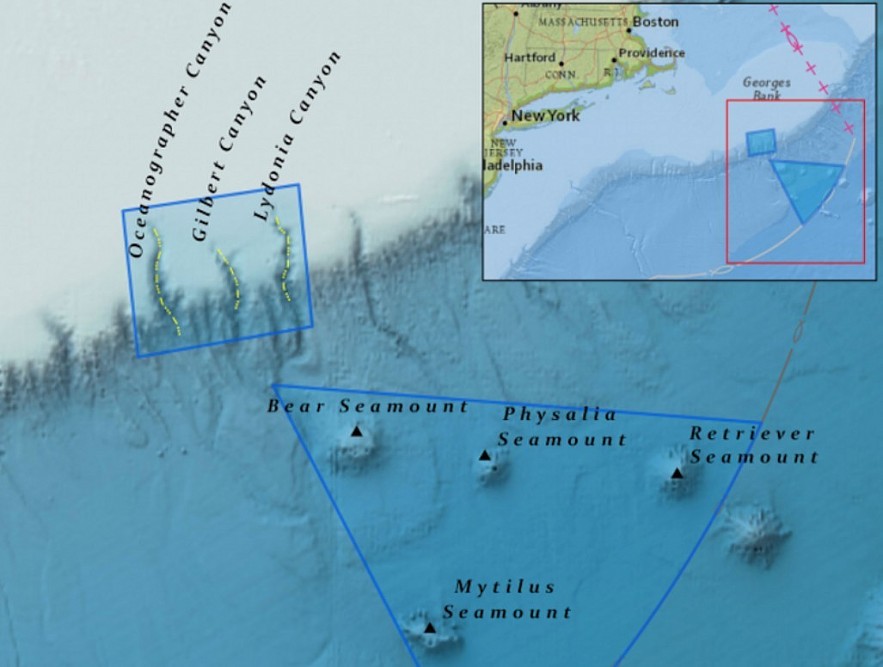
President Donald Trump has issued presidential actions that reopen commercial fishing access in two major U.S. marine monument systems: one off New England in the Atlantic and one across remote U.S. holdings in the central Pacific.
The practical impact for working fishermen is simple: more open water, but still under NOAA Fisheries permitting, quotas, gear rules, and enforcement.
1) Atlantic: Northeast Canyons and Seamounts Marine National Monument (New England offshore)
What area is reopening?
The Northeast Canyons and Seamounts Marine National Monument is a nearly 5,000-square-mile protected area in federal waters southeast of Cape Cod.
What Trump changed (2026)
On February 6, 2026, President Trump signed a proclamation that reopens the monument to commercial fishing, reversing Biden-era restrictions and reinstating the access Trump had previously pursued.
When is it effective?
The change is effective upon signing (February 6, 2026). Practically, that means the monument is no longer closed to commercial fishing as a matter of monument policy, but fishermen must still comply with all federal fishery management measures that apply to their permits and target species.
What fishermen should remember
This action changes monument access, not the entire federal rulebook. NOAA catch limits, reporting requirements, protected species rules, and gear restrictions still apply.
If you fish this region, keep an eye on NOAA bulletins and council actions that may clarify enforcement, boundary maps, and any fishery-specific measures.
2) Pacific: Pacific Islands Heritage / Pacific Remote Islands Marine National Monument (Central Pacific)
(Naming varies by document and reporting, but the policy change centers on opening monument waters around remote U.S. Pacific islands to commercial fishing in a specific distance band.)
What area is reopening?
Under Trump’s Pacific action, commercial fishing is allowed in monument waters from 50 to 200 nautical miles from the landward boundaries of the monument areas (where those areas overlap the U.S. Exclusive Economic Zone).
When is it effective?
The key Pacific action is dated April 17, 2025 (Presidential Proclamation referenced in congressional research), and it took effect as issued.
Who is most affected?
This matters most for U.S.-flagged pelagic fleets (especially Hawaii-based operations) targeting highly migratory species, because the reopened band dramatically increases potential operating area beyond the 50 nm protected core.
Easy Timeline: How These Waters Opened, Closed, and Reopened
Here’s the quickest way to remember the policy history fishermen keep hearing about:
• Sept. 15, 2016 — Obama creates Northeast Canyons & Seamounts monument (PP 9496). Commercial fishing is prohibited, with a 7-year exemption for American lobster and Atlantic deep-sea red crab.
• June 5, 2020 — Trump issues Proclamation 10049 to remove restrictions on commercial fishing within the Northeast Canyons & Seamounts monument.
• Oct. 2021 — Biden restores protections (revoking the Trump rollback and returning to the restriction framework).
• Feb. 15–16, 2024 — NOAA implements the monument commercial fishing prohibition in federal rules.
• Apr. 17, 2025 — Trump issues a Pacific proclamation opening commercial fishing from 50–200 nautical miles in the Pacific monument area.
• Feb. 6, 2026 — Trump signs a new Atlantic proclamation reopening Northeast Canyons & Seamounts to commercial fishing again.
What to Do Next
• Confirm boundaries before setting plans. Monument lines and distance bands matter offshore.
• Match the reopening to your permit: access doesn’t replace permits, quotas, or reporting.
• Watch NOAA and council updates for fishery-specific guidance after high-profile proclamations.
Top 5 useful websites U.S. fishermen should check regularly
Below are the top 5 useful websites U.S. fishermen should check regularly to verify fishing access, rule changes, and enforcement updates. Each site is official, reliable, and practical for day-to-day fishing decisions.
• NOAA Fisheries
https://www.fisheries.noaa.gov
The primary federal source for commercial fishing rules. Use it to check open and closed areas, permits, quotas, reporting requirements, and official bulletins.
• NOAA Office of Law Enforcement
https://www.fisheries.noaa.gov/office-law-enforcement
Essential for understanding boundaries, enforcement priorities, inspections, and penalties—especially in newly reopened waters.
• New England Fishery Management Council
https://www.nefmc.org
Key site for Atlantic and New England fishermen. Provides council decisions, maps, seasonal rules, and quota updates.
• Western Pacific Fishery Management Council
https://www.wpcouncil.org
Important for Pacific and Hawaii-based fleets, including updates on pelagic fisheries and monument boundary rules.
• Federal Register
https://www.federalregister.gov
The legal record of U.S. regulations. Use it to confirm official rule text and exact effective dates of proclamations and closures.
Checking these sites regularly helps fishermen stay compliant, avoid fines, and plan trips with confidence.