Inside Bill Gates’ Apology: Affairs, Epstein Links, and Fallout at the Gates Foundation

 |
| Bill Gates caught STD from Russian girls, Epstein claimed |
Bill Gates has publicly acknowledged extramarital affairs and apologized for his past association with Jeffrey Epstein, describing the relationship as a “huge mistake,” according to new reporting from The Wall Street Journal.
The admission came during a closed-door town hall meeting at the Bill & Melinda Gates Foundation on February 24, where Gates addressed staff directly about mounting scrutiny over his personal conduct and judgment.
Read more:
- Fact-Check: Bill Gates - Russian Girls Claim Emerges From Epstein Drafts
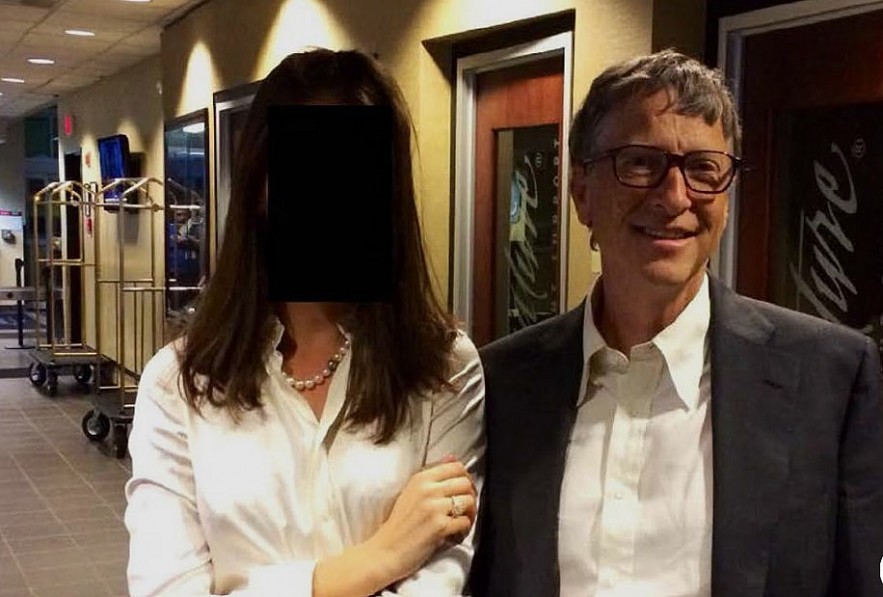
- Who Is the Mystery Woman in the Bill Gates–Epstein Photo? What the Evidence Shows
A Rare Admission About Personal Conduct
During the meeting, Gates confirmed he had engaged in affairs during his marriage, including relationships with two Russian women — a bridge player and a nuclear physicist. According to attendees cited by the Journal, Gates acknowledged the affairs without detailing timelines but stressed they were unrelated to Epstein’s criminal activities.
“I did have affairs,” Gates reportedly said. “I did nothing illicit. I saw nothing illicit.”
The comments mark one of the few times Gates has publicly addressed the allegations in such direct terms. While reports of workplace relationships and personal misconduct have surfaced in previous years, this was the first instance in which he explicitly admitted to extramarital relationships in a formal internal setting.
The Epstein Relationship Revisited
Gates also revisited his association with Epstein, whom he first met in 2011, three years after Epstein’s 2008 conviction for soliciting a minor. Despite knowing about Epstein’s criminal past, Gates continued meeting with him until 2014.
The Microsoft co-founder admitted he failed to fully scrutinize Epstein’s background and intentions. He said he believed the meetings could help advance philanthropic initiatives, particularly in global health and science funding. In hindsight, he called that judgment deeply flawed.
“It was a huge mistake,” Gates said, according to the report.
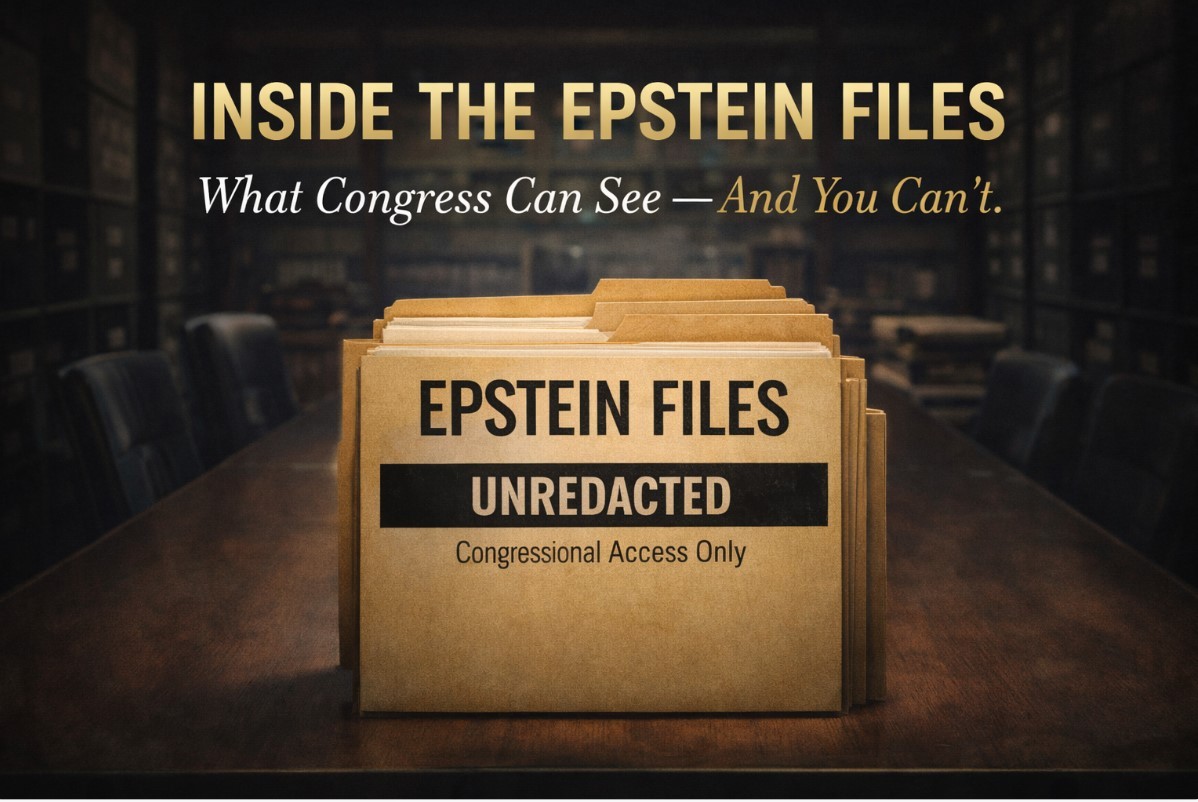
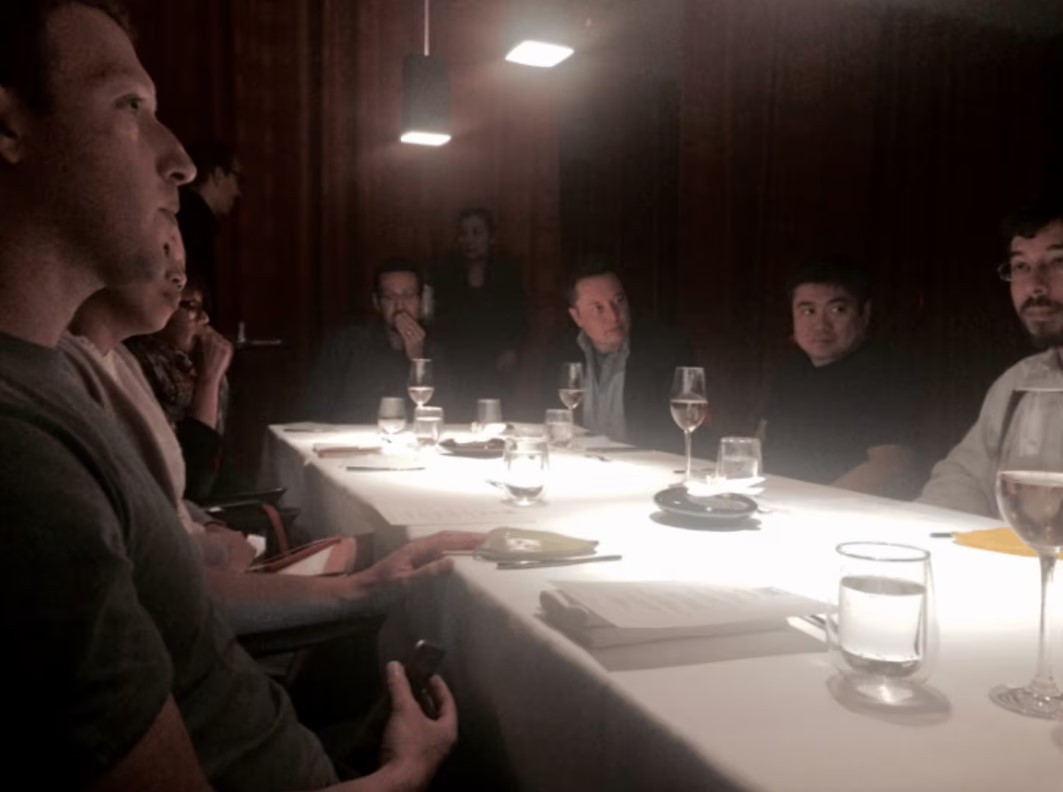
Newly released government documents have added fresh attention to the controversy. The files reportedly include emails and photographs connected to Epstein’s network. Some redacted images show Gates present at meetings, though there is no evidence tying him to Epstein’s criminal conduct. Gates has consistently denied any involvement in illegal activity.
Internal Fallout at the Gates Foundation
The impact of the revelations has extended beyond Gates personally. Staff members at the Gates Foundation have expressed concern that the association with Epstein contradicted the organization’s mission and values.
Gates acknowledged during the town hall that involving foundation personnel in meetings with Epstein was wrong. He apologized directly to employees for the reputational damage and stress caused by the controversy.
The foundation, one of the largest philanthropic institutions in the world, funds global initiatives in public health, education, and poverty reduction. Maintaining credibility is central to its work. Gates reportedly emphasized transparency and ethical leadership as priorities moving forward.
Melinda French Gates’ Warnings
Melinda French Gates had previously voiced concerns about Epstein, according to earlier accounts. Gates admitted during the meeting that she had warned him about maintaining contact.
By 2021, when the couple announced their divorce, reports indicated that Epstein’s shadow had contributed to tensions in the marriage. Gates did not revisit those personal details in depth during the town hall, but acknowledged he should have listened more carefully to early warnings.
Reputation, Accountability, and What Comes Next
For decades, Bill Gates has cultivated a public identity centered on technology innovation and global philanthropy. The admission of affairs and renewed scrutiny of his relationship with Epstein complicate that legacy.
While Gates denied witnessing or participating in any criminal behavior, he conceded that his continued contact with Epstein reflected poor judgment. The apology appears to be an attempt to stabilize internal morale at the foundation and reaffirm its mission.
Whether this moment reshapes public perception remains to be seen. What is clear is that Gates is confronting the issue more directly than ever before — acknowledging personal failings while attempting to separate them from the broader philanthropic work that defines his later career.