Who Is Daniel Min and Why He Quit a $325,000 CMO Job at AI Startup Cluely

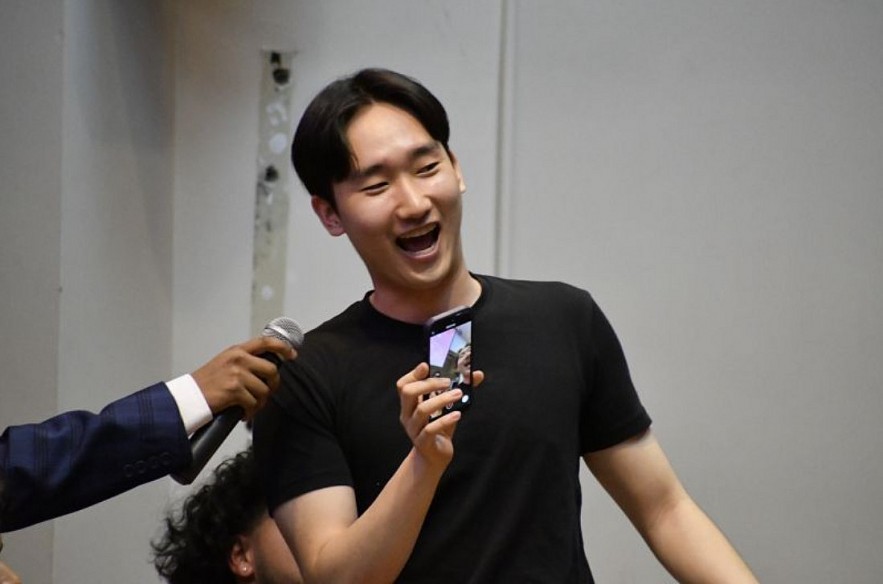 |
| Daniel Min, 22, has resigned as the CMO of Cluely, an AI startup headquartered in New York |
At just 22 years old, Min became the Chief Marketing Officer of Cluely, a fast-growing and controversial AI startup. The role reportedly paid around $325,000 a year, an eye-catching figure for someone barely out of college. Yet only months into the job, Min made a decision that stunned many in the tech world: he walked away.
His resignation has since ignited debate about burnout, startup culture, and whether Silicon Valley’s definition of success is still worth chasing.
Read more:
- India’s Biggest AI Startups Based on How Much Money They've Raised
- China’s Top 10 Most Promising AI Startups After DeepSeek
From Wharton Graduate to Startup Executive
Min graduated in 2025 from the Wharton School at the University of Pennsylvania, one of the most competitive business programs in the country. Unlike many peers headed into consulting or investment banking, Min struggled early on. He was rejected from dozens of internships across finance, tech, and media.
Instead of following a traditional path, he leaned into what he did best: marketing through social platforms. Min built an online presence that showcased his understanding of audience growth, short-form content, and brand storytelling. That skill set — rather than technical expertise — opened doors in the startup world.
His rise was fast. Soon after graduation, Min joined Cluely and was promoted to CMO, responsible for shaping the company’s public image, managing growth strategy, and expanding its reach across social and digital channels.
What Is Cluely — and Why Is It Controversial?
Cluely positions itself as an AI-powered productivity tool, but critics argue its technology blurs ethical lines, especially in education. The startup has been accused of enabling academic dishonesty, a claim the company has pushed back on while continuing aggressive user growth.
That aggressive posture extended internally as well. Like many early-stage startups, Cluely embraced a high-intensity culture that rewarded speed, long hours, and total commitment.
For Min, that environment initially felt like opportunity.
The Breaking Point: 12-Hour Days and Burnout
According to multiple reports and Min’s own statements, the workload quickly became overwhelming. Twelve-hour workdays were the norm, not the exception. The pressure to deliver growth at all costs took a toll.
Despite the salary and the prestige of a C-suite title, Min began questioning whether the lifestyle was sustainable — or healthy.
In a LinkedIn post that later went viral, he expressed deep frustration with his work-life balance and with life in San Francisco, the epicenter of startup culture. Shortly after, he resigned from Cluely and left the city altogether.
His message was clear: the job was draining him, and no paycheck justified the burnout.
A Growing Reckoning in Tech
Min’s exit reflects a broader shift happening across the tech industry, particularly among Gen Z and younger millennials. Once glorified, nonstop hustle culture is increasingly being questioned.
High salaries, flashy titles, and startup equity no longer guarantee fulfillment. Burnout, anxiety, and disengagement are becoming common even among top performers.
What makes Min’s story stand out is how early it happened. At an age when many are just starting their careers, he reached what looks like the peak — and chose to step away.
What Comes Next for Daniel Min?
Min has not publicly announced his next move. He has hinted at taking time to reset, reflect, and rethink what success means on his own terms.
Whether he returns to tech, builds something new, or pivots entirely, his decision has already made an impact. It challenges the assumption that ambition must come with self-sacrifice — and that success is measured only in compensation or titles.
Why His Story Resonates
Daniel Min’s resignation isn’t just about one job. It’s about a generation reassessing the cost of “making it” in tech.
For many young professionals watching from the sidelines, his story offers validation: walking away isn’t failure. Sometimes, it’s clarity.