Why Americans Are Moving to Oregon: Jobs, Lifestyle, and Cost of Living Explained

 |
| Welcome to Oregon sign along northbound U.S. Route 95 |
In 2025, Oregon emerged as the state with the highest inbound domestic migration rate in the United States, with about 65% of moves involving newcomers settling there — a significant jump from eighth place in 2024.
That trend reflects broader shifts in how and why Americans choose where to live, shaped by job opportunities, quality of life, and affordability pressures. While Oregon isn’t without challenges, its recent rise as a preferred destination reveals deeper economic and lifestyle forces at play.
Read more: Festivals And Big Events in Oregon 2026: A Year of Culture, Nature, and Creativity
Inbound Migration by the Numbers
According to the 2025 United Van Lines National Movers Study, Oregon led the nation in inbound moves, with approximately 65% of relocations into the state coming from other states.
Of those relocating into Oregon, about 36% cited job opportunities as the main motivator — a larger share than almost any other reason tracked.
For comparison:
-
Retirement accounted for about 14% of inbound moves.
-
Lifestyle changes made up about 10%.
-
Cost of living improvements were cited by around 3%.
Family proximity and lifestyle considerations together also played meaningful roles, highlighting that migration decisions are rarely driven by a single factor.
Jobs: A Strong, Diversified Economy
Oregon’s job market has evolved beyond its traditional staples. While tech jobs in cities like Portland and smaller hubs around the state continue to grow, healthcare and skilled services are major employment drivers. Demand for nurses, medical technicians, and support staff has increased as Oregon’s population ages and healthcare needs expand.
Manufacturing and logistics have also attracted employers seeking more affordable locales compared to big coastal metros. In regions like Eugene-Springfield — the top metro area for inbound moves — employment opportunities in both tech and traditional sectors contribute to balanced workforce growth.
This diversification makes Oregon appealing not just to high-income professionals but also to middle-income workers and families looking for upward mobility without the extreme job market competition found in larger cities.
Quality of Life: Nature, Community, and Balance
Job growth alone doesn’t explain Oregon’s appeal. Many Americans are prioritizing lifestyle and well-being in relocation decisions, and Oregon’s amenities fit this demand perfectly.
Residents enjoy easy access to mountains, rivers, forests, and the Pacific coastline — all within a few hours. Outdoor recreation isn’t a weekend afterthought; it’s part of everyday life. This accessibility resonates with people seeking work-life balance instead of urban intensity.
Smaller cities and towns across Oregon also offer lower crime rates and strong local communities that appeal to families and retirees. A slower pace of living, combined with cultural vibrancy in cities like Portland and Eugene, gives residents the best of both worlds.
 |
| Oregon Emerges as the Top Inbound State |
Affordability: Relative Advantages, Not Absolute Low Cost
While many Americans move for a lower cost of living, Oregon’s situation is more nuanced.
Median home prices in some Oregon cities remain relatively high compared with the national average. For example, the median home price in Salem, Oregon, was about $437,000 in mid-2025.
However, compared to major metros like San Francisco, New York, or Los Angeles, Oregon housing and daily expenses are often more attainable. Oregon also has no state sales tax, which reduces everyday living costs for families. These factors can make Oregon feel more affordable than higher-tax, higher-cost alternatives — even if it isn’t the cheapest state overall.
It’s worth noting that other data sources show mixed trends: an analysis by another van lines company found that more people left Oregon than moved in in 2025, in part due to housing costs and job concerns. This underscores both the complexity of migration patterns and the importance of local context.
A Broader Migration Picture
Oregon’s rise in inbound migration fits into the larger national trend of Americans leaving high-cost, high-tax states like California and New Jersey. These states have ranked at the top of outbound moves, driven largely by home prices, taxes, and quality-of-life stresses.
Oregon’s appeal is not based on a single advantage but on a combination of job opportunities, access to nature, community lifestyle, and relative affordability. For many Americans, it represents a chance to reset priorities in a challenging economic moment.
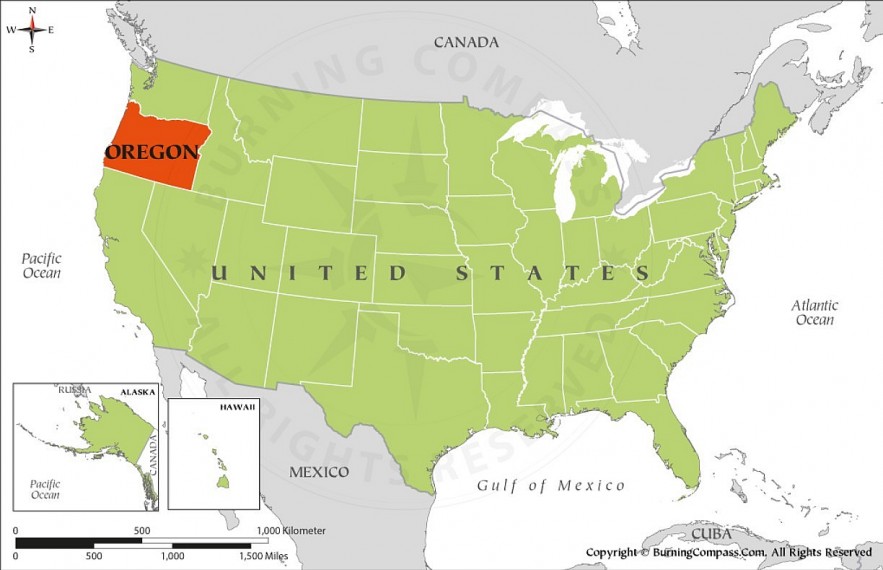
Oregon at a GlanceLocation: Pacific Northwest, U.S. West Coast. Borders Washington (north), California (south), Nevada & Idaho (east), Pacific Ocean (west). Population: ~4.3 million people (latest estimates). Population density is moderate, with most residents concentrated in the Willamette Valley. Major Cities: Portland, Eugene, Salem (state capital), Bend, Hillsboro. Economic Size (GDP): Approximately $300 billion, placing Oregon in the mid-tier among U.S. states by economic output. Key Industries: Technology & semiconductors, healthcare, manufacturing, logistics, agriculture, renewable energy, tourism. Labor Market Snapshot: Strong demand in healthcare, skilled trades, manufacturing, and tech-related roles. Increasing appeal for remote workers. Housing: More affordable than major coastal metros like San Francisco or Seattle, but rising prices in popular cities. Lifestyle Highlights: Mountains, coastline, forests, rivers, and high desert regions all within hours. Strong emphasis on outdoor living and work-life balance. |