Why Prosecuting the ICE Agent in the Renee Good Shooting Is Unlikely

 |
| Why state charges for Minneapolis ICE shooting are possible but tricky |
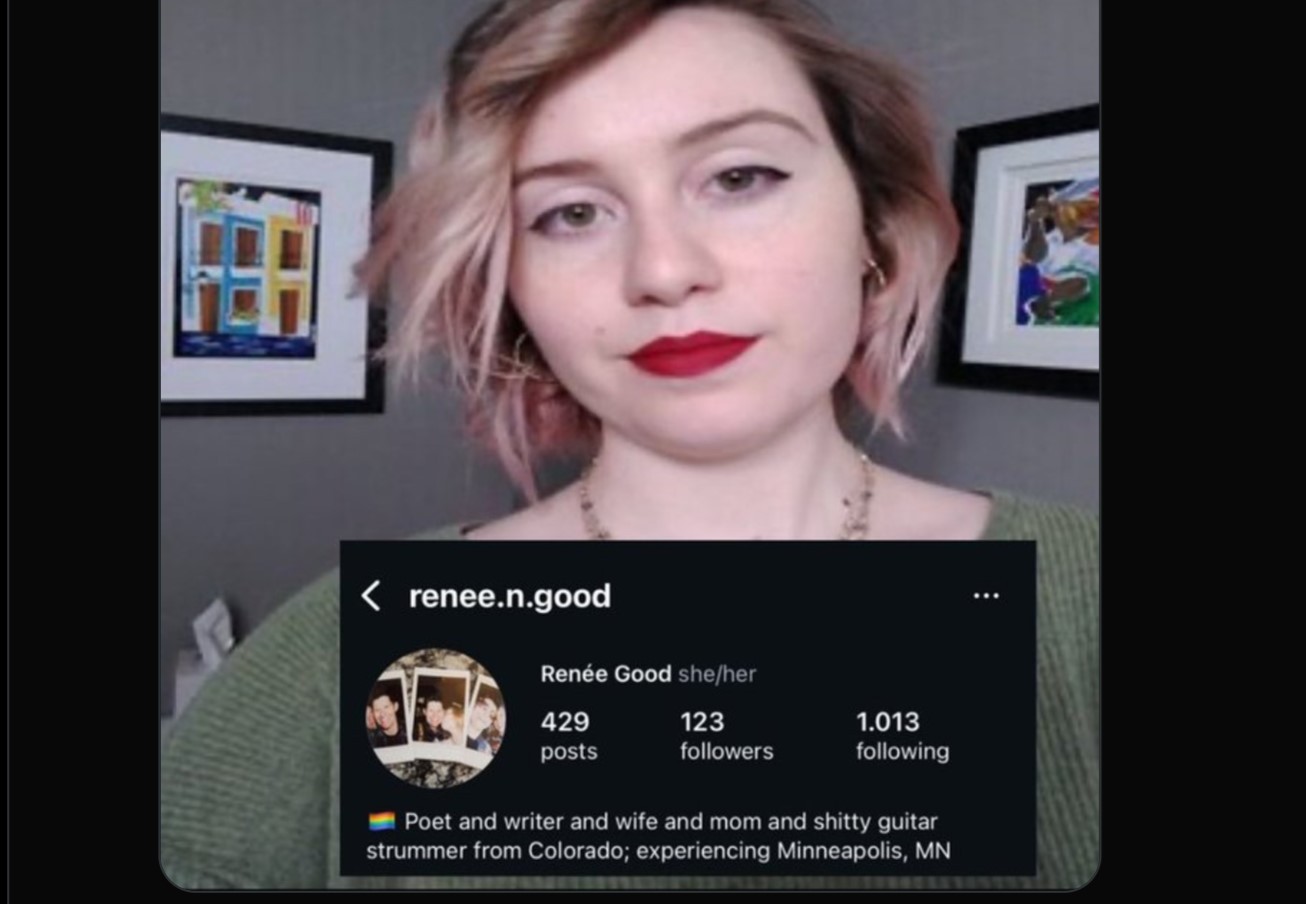
The fatal shooting of Renee Nicole Good by an Immigration and Customs Enforcement agent in Minneapolis has triggered protests, political outrage, and urgent demands for accountability. Yet despite mounting public pressure, legal experts widely agree on one conclusion: criminally prosecuting the ICE agent is extraordinarily unlikely.
This is not because the case lacks controversy. It is because U.S. law, federal power structures, and decades of precedent make such prosecutions rare to the point of near impossibility.
Read more: Who Is Jonathan Ross? Background of the ICE Agent Identified in the Renee Nicole Good Shooting
Federal Supremacy: When State Law Stops at the Badge
The first and most decisive barrier is jurisdiction. ICE agents are federal officers operating under federal authority. Once the shooting occurred, the investigation was taken over by the Federal Bureau of Investigation, not Minnesota authorities.
Under the Supremacy Clause of the U.S. Constitution, states generally cannot prosecute federal agents for actions taken within the scope of their official duties. For state charges to proceed, prosecutors must prove the agent acted clearly outside lawful authority, not merely that the decision was wrong or reckless.
This standard is so high that even strong circumstantial evidence rarely clears it.
Minneapolis officials have complained that federal investigators restricted access to evidence and excluded state agencies from key stages of the inquiry. While politically explosive, this practice is legally routine in cases involving federal officers.
The Legal Standard for Deadly Force Favors Officers
Deadly force cases hinge on one question: Did the officer reasonably believe they faced an imminent threat of death or serious injury?
Courts evaluate this from the officer’s perspective, in real time, not in hindsight. Even if video evidence later contradicts the officer’s account, prosecutors must overcome the doctrine of objective reasonableness, a standard shaped by decades of Supreme Court rulings.
Crucially, prosecutors do not need to prove the threat was real. Only that the officer reasonably believed it was.
In the Renee Good case, federal officials argue that her vehicle posed an imminent danger. Whether the claim withstands public scrutiny is legally irrelevant unless it can be disproven beyond reasonable doubt.
Read more: What Happens When an ICE Agent Fires a Fatal Shot?
Qualified Immunity and Criminal Prosecution
Qualified immunity is often misunderstood as purely a civil doctrine. While technically separate from criminal law, it profoundly influences prosecutorial decisions.
If a prosecutor believes a civil court would likely find the officer immune, they are far less likely to pursue criminal charges. Why? Because immunity analysis often mirrors criminal reasonableness standards.
In practice, qualified immunity acts as an early warning system telling prosecutors not to proceed.
A Pattern, Not an Exception: Similar Cases Without Charges
The Renee Good shooting follows a long line of fatal encounters involving federal agents that ended without prosecution.
-
Portland, Oregon (2020): Federal agents shot and killed Michael Reinoehl during a manhunt following protests. Despite conflicting accounts, no federal agent was charged.
-
Arizona Border Region: Multiple Border Patrol shootings over the past decade resulted in internal reviews but no criminal prosecutions, even when victims were unarmed.
-
Washington State (2019): A federal task force shooting involving an FBI agent was ruled justified despite video inconsistencies.
In each case, investigators cited perceived threats, split-second decisions, and federal authority. Prosecutors declined charges.
These precedents matter. Prosecutors are institutionally risk-averse. They know juries are reluctant to convict law enforcement officers, especially federal ones, and failed prosecutions can end careers.
Read more: Was the ICE Agent’s Fatal Shooting of Renee Nicole Good Legal?
Federal Control of Evidence Limits Accountability
Unlike local police shootings, federal cases centralize evidence under federal control. Body camera footage, forensic analysis, and witness interviews are handled internally or by federal partners.
This structure limits independent review and makes it harder for outside prosecutors to build a case. Even public release of footage, when it occurs, is discretionary.
Transparency gaps do not automatically imply wrongdoing, but they dramatically reduce the likelihood of prosecution.
Political Reality Cannot Be Ignored
Finally, prosecution decisions do not exist in a vacuum. Immigration enforcement is a politically charged arena, and federal agencies receive strong institutional backing from the executive branch.
Charging a federal agent would require not just legal justification, but political will. Historically, that will has been absent.
Conclusion
The killing of Renee Good has exposed a familiar and uncomfortable truth: federal law enforcement operates within a legal framework that makes criminal accountability exceedingly rare.
Between federal supremacy, immunity doctrines, favorable force standards, and a long list of uncharged precedents, the odds of prosecution were slim from the start.
Unless Congress rewrites the rules governing federal use of force, the Renee Good case is likely to join a growing list of fatal encounters that sparked outrage, but ended without charges.