Why Trump Is Suing JPMorgan Chase and Jamie Dimon: Inside the $5 Billion “Debanking” Fight and Its Political Stakes

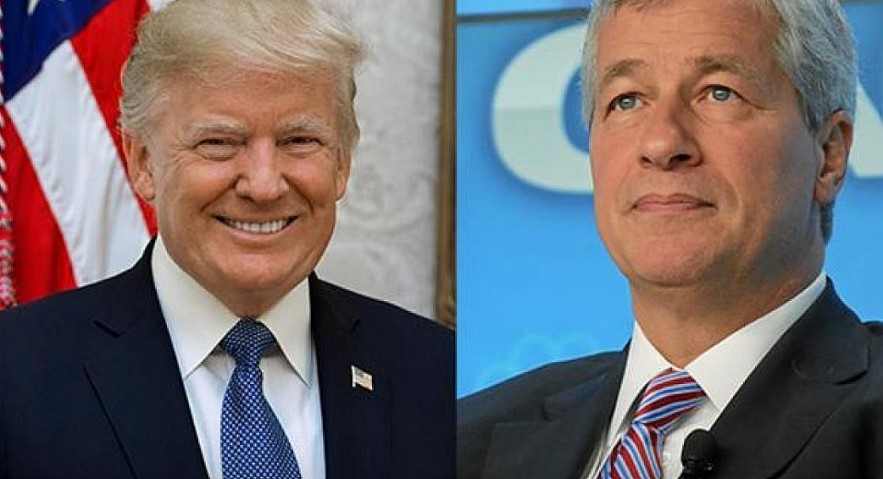 |
| Donald Trump Sues JPMorgan Chase, Jamie Dimon Over Alleged 'political' Debanking |
Donald Trump has launched a $5 billion lawsuit against JPMorgan Chase and its CEO Jamie Dimon, accusing the bank of cutting off his access to financial services for political reasons after the January 6, 2021 Capitol riot.
The case, filed in Miami-Dade County, Florida, goes far beyond a routine dispute between a bank and a former client. It taps into a growing political argument over whether major financial institutions are using “reputational risk” as a cover to quietly punish people or groups with unpopular views.
At its core, Trump claims he was “debanked”. JPMorgan says it simply made a standard business decision.
What Trump says JPMorgan did
According to the lawsuit, JPMorgan informed Trump-related entities in early 2021 that it would terminate their banking relationships, giving roughly 60 days’ notice. The bank did not publicly explain the move, but Trump argues the timing speaks for itself.
Trump’s legal team claims the decision came shortly after he left the White House and amid intense political backlash following January 6. The lawsuit argues that JPMorgan acted not because of financial risk, but because continuing to serve Trump had become politically and reputationally inconvenient.
Trump also alleges that the bank’s actions went beyond simply closing accounts. He claims JPMorgan effectively labeled him as toxic within the financial system, making it harder to secure comparable banking services elsewhere and increasing costs for his businesses.
In the complaint, Trump says he personally raised concerns with Jamie Dimon, believing the decision could be reversed. According to Trump, nothing changed.
JPMorgan’s position: risk, not politics
JPMorgan strongly rejects the accusations. The bank has stated that it does not close accounts based on political beliefs, and that decisions to end client relationships are guided by legal, regulatory, and risk-management considerations.
Large banks operate under intense scrutiny from regulators, especially when it comes to anti-money laundering rules, sanctions compliance, and reputational exposure. From JPMorgan’s perspective, maintaining relationships that could draw regulatory attention or public controversy may simply not be worth the risk.
In short, JPMorgan argues this was a business judgment, not a political statement.
Why the term “debanking” matters
The lawsuit is significant because Trump is not just seeking damages. He is advancing a broader narrative that conservatives have increasingly embraced: that powerful financial institutions are quietly enforcing ideological boundaries by denying access to basic financial services.
This concept of “debanking” has gained traction in recent years, with critics arguing that banks have become de facto gatekeepers of acceptable speech and behavior. Supporters of banks counter that private companies have every right to decide who they do business with, especially when regulatory penalties are at stake.
Trump’s lawsuit attempts to move that debate from cable news panels into a courtroom.
Why Jamie Dimon is named personally
Naming Jamie Dimon as a defendant is a strategic move. It personalizes the conflict and raises the profile of the case. Dimon is one of the most influential figures in global finance, and his leadership style and public commentary have made him a frequent target of political criticism.
Including the CEO also suggests Trump wants to probe how high-level decisions were made, not just how policies were applied at lower levels of the bank.
The legal challenge ahead
For Trump to succeed, he will need to show that JPMorgan’s actions were arbitrary, discriminatory, or deceptive, rather than a legitimate exercise of contractual and risk-management rights.
That means the case will likely focus on internal emails, compliance reviews, and whether JPMorgan treated Trump differently from other high-profile or controversial clients.
For JPMorgan, a victory would reinforce banks’ broad discretion to exit relationships they consider risky. A loss, however, could open the door to tighter limits on when and how banks can cut off customers.
Why this case matters beyond Trump
This lawsuit is not just about one former president and one bank. It sits at the intersection of finance, politics, and corporate power.
If courts begin questioning “reputational risk” justifications more aggressively, banks across the U.S. may rethink how freely they sever client relationships. If JPMorgan prevails, it may strengthen the industry’s hand at a time when political pressure on financial institutions is only increasing.
Either way, the outcome could shape how money, politics, and power interact long after this case is decided.