Why You Still Pay National Park Fees on MLK Day, Even Though It’s a Federal Holiday

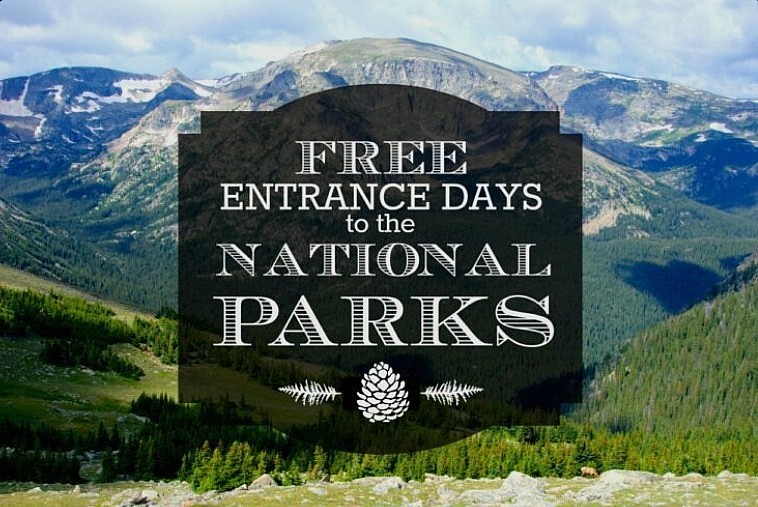 |
| You’re paying to enter a national park on MLK Da |
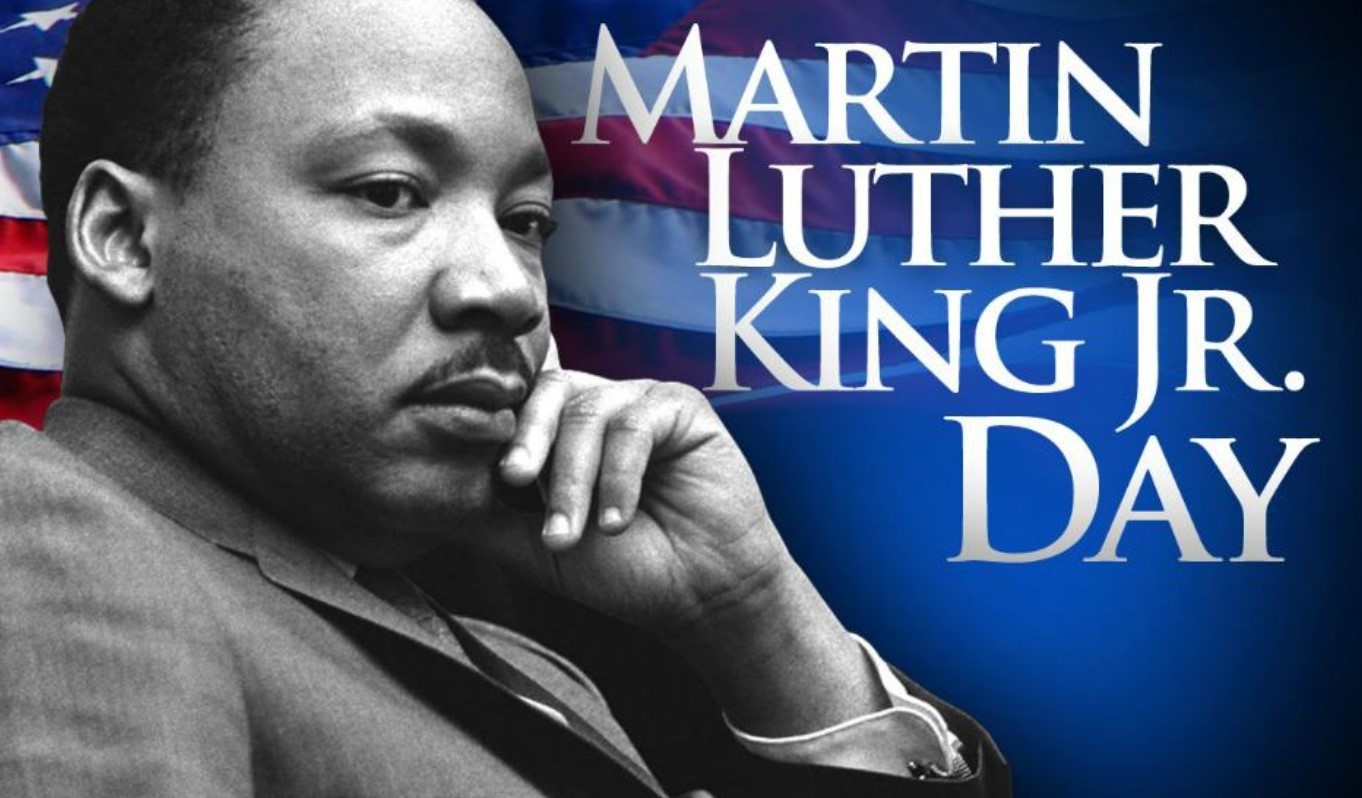
For years, Martin Luther King Jr. Day meant more than time off work. It also meant free access to America’s national parks. In 2026, that changed—and the shift has sparked confusion, political backlash, and viral claims that the holiday itself was altered.
The reality is more specific, more technical, and more revealing about how presidential power actually works.
MLK Day is still a federal holiday. What changed was a policy decision made under President Donald Trump’s administration that removed MLK Day from the list of fee-free days at national parks.
Understanding that distinction is key.
Read more:
- Are Banks and Shipping Services (UPS, FedEx) Open on MLK Day 2026?
- What’s New for MLK Day 2026: Major Events, National Trends Across the U.S.
MLK Day was not canceled—but a benefit tied to it was removed
Let’s start with what did not happen.
MLK Day remains a federal holiday established by Congress and listed under federal law. Federal offices close. Employees receive holiday pay. That status cannot be changed by presidential order alone.
What was changed is something different: the National Park Service (NPS) fee-free day schedule, which determines when entrance fees are waived at parks that normally charge admission.
That schedule is not set by Congress. It is controlled by the executive branch.
The Trump administration’s role in the change
In 2026, the U.S. Department of the Interior—under President Donald Trump—approved a revised list of National Park Service fee-free days.
The updated schedule:
-
Removed MLK Day
-
Removed Juneteenth
-
Added Flag Day (June 14), which coincides with Trump’s birthday
This decision was confirmed by the Department of the Interior and reflected on official National Park Service materials. As a result, visitors entering national parks on MLK Day in 2026 must now pay the standard entrance fee.
This was not a clerical error or a temporary suspension. It was a deliberate policy change.
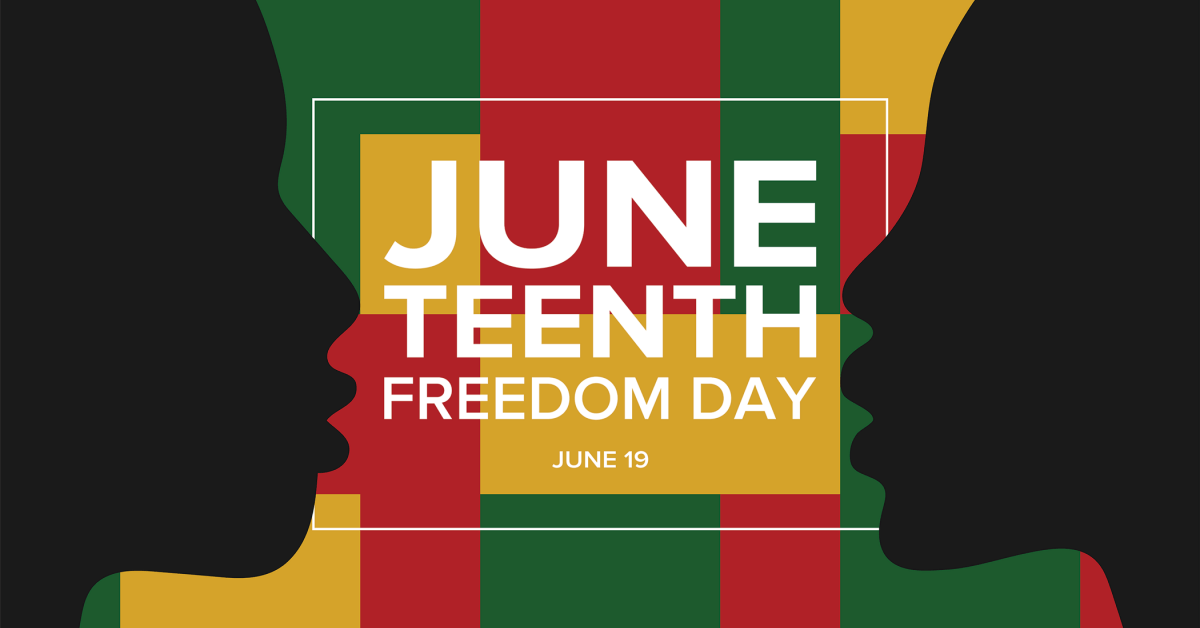 Juneteenth Federal Holiday: History, Significance and Celebration Juneteenth Federal Holiday: History, Significance and Celebration |
Why the president can do this—legally
The president cannot unilaterally eliminate a federal holiday. That power belongs to Congress.
But the president does control executive agencies, including the Department of the Interior and the National Park Service.
Fee-free days fall under administrative discretion. The Interior Department has long adjusted these days to align with policy priorities, public messaging, or commemorative events.
In other words:
-
Federal holidays are written into law
-
Fee-free park access is an executive policy tool
That’s why MLK Day can remain a federal holiday while losing its fee-free status at national parks.
Why this change caused public outrage
MLK Day and Juneteenth are not just dates on a calendar. They are deeply tied to civil rights history.
For many Americans, removing those days from the fee-free list felt symbolic—especially when another day was added in their place.
Critics argue the move sends a message about which histories are valued. Supporters say the administration simply exercised its legal authority.
Either way, the decision was political, visible, and consequential.
How misinformation spread online
Headlines and social media posts quickly claimed that Trump had “canceled” or “changed” MLK Day.
That framing is inaccurate—but easy to understand.
Most Americans experience MLK Day through practical effects, not statutory language. When people suddenly have to pay $20 or $35 to enter a park on a holiday that used to be free, it feels like the holiday itself was downgraded.
In reality, the holiday stayed the same; the benefit attached to it did not.
What visitors need to know now
If you plan to visit a national park on MLK Day:
-
The park will be open
-
MLK Day is still a federal holiday
-
Entrance fees apply as normal
-
Annual passes remain valid
Only about one-third of national parks charge entrance fees, but for major destinations, the cost can be significant for families.
The broader takeaway
This episode highlights a larger truth about presidential power.
Presidents cannot easily change federal law—but they can reshape how Americans experience federal institutions through administrative decisions. Those changes can feel just as real as legislation, especially when they affect money, access, and symbolism.
MLK Day still exists. What changed is how the federal government chose to mark it.
And for visitors at the gate, that difference costs real dollars.
| You’re paying to enter a national park on MLK Day not because the holiday was canceled or downgraded, but because fee-free days are optional, not guaranteed. |