Arrests Rise at Anti-ICE Protests Across U.S. Cities After Alex Pretti Shooting

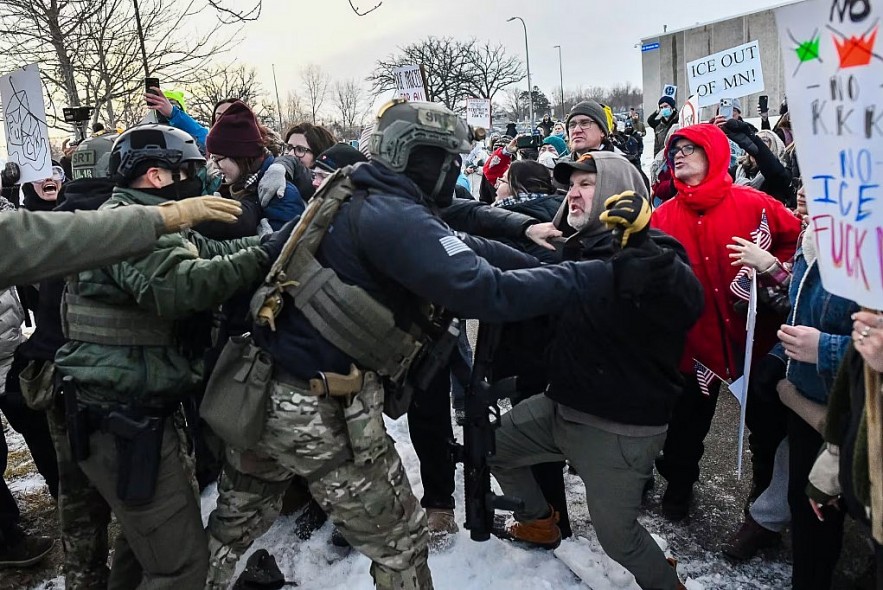 |
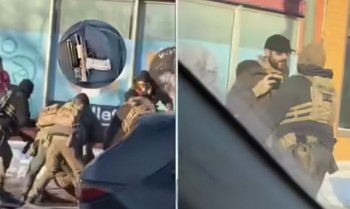
| Protesters clash with federal agents outside the Bishop Henry Whipple Federal Building in St. Paul, Minn. |
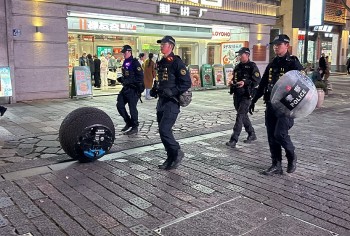
Protests against U.S. Immigration and Customs Enforcement have intensified across multiple American cities following the fatal shooting of Alex Pretti in Minneapolis on January 24, 2026. While demonstrations have varied in size and tactics, authorities in several jurisdictions have responded with arrests, detentions, and formal charges, turning the protests into a national flashpoint over immigration enforcement, civil disobedience, and police response.
Minneapolis: Where the Protests Began
Minneapolis remains the epicenter of the current anti-ICE movement after Pretti, a 37-year-old U.S. citizen, was shot during an encounter involving federal immigration agents. Conflicting accounts of the incident, followed by the release of video footage, triggered immediate protests and sustained demonstrations across the city.
Arrests and Charges
-
At least 16 people arrested in Minnesota on federal charges, according to the U.S. Department of Justice.
-
Charges include assaulting, resisting, or impeding federal officers, rather than simple protest violations.
These arrests are significant because they involve federal charges, not just local citations. Officials have indicated that additional cases could still be filed as investigations continue.
Why Minneapolis Matters
Minneapolis is not just another protest site. It is where public trust in federal enforcement fractured most visibly. The city has become a symbol of broader concerns about ICE operations, accountability, and the use of force inside U.S. communities.
Read more: Full Lyrics of “Streets of Minneapolis” by Bruce Springsteen
Maple Grove, Minnesota: Suburban Spillover
Tensions quickly spread beyond Minneapolis proper.
What Happened
-
Protesters gathered outside a SpringHill Suites hotel in Maple Grove, believing federal agents were staying there.
-
Police declared the gathering unlawful after reports of property damage and objects thrown.
Arrests
-
26 people arrested on charges including riotous conduct and unlawful assembly.
This incident illustrates how protests are increasingly targeting hotels and private businesses suspected of cooperating with ICE, expanding the conflict into suburban areas.
New York City: Mass Arrests at a Hotel Sit-In
New York City saw the largest single-event arrest total connected to the post-Pretti protests.
Tribeca Hilton Garden Inn Protest
-
Demonstrators occupied the lobby of the hotel, chanting and blocking access.
-
Police issued multiple dispersal orders before moving in.
Arrests
-
65–66 protesters arrested, depending on police versus media tallies.
-
Most were charged with trespassing and disorderly conduct.
-
A small number faced additional charges such as resisting arrest.
Why NYC Stands Out
Unlike Minneapolis, where arrests stemmed from ongoing street confrontations, New York’s case reflects organized civil disobedience designed to create a single, high-impact moment.
Eugene, Oregon: Detentions at a Federal Building
On the West Coast, protesters gathered outside the Eugene Federal Building, another frequent site for immigration-related demonstrations.
Detentions
-
Protesters reported at least 9 people detained, taken inside the building, and later released.
-
Not all detentions resulted in formal arrests.
This highlights an important distinction: detention does not always equal arrest, and many protest enforcement actions end without charges.
Portland, Maine: Smaller City, Similar Tactics
Even smaller cities have seen protest-related arrests.
Arrest Totals
-
6 people arrested at a hotel protest.
-
9 people arrested during a sit-in at Senator Susan Collins’s office.
These events show how protest strategies are being replicated nationwide, regardless of city size.
What the Numbers Tell Us — and What They Don’t
There is no single national arrest total for anti-ICE protests following the Pretti shooting. Arrest data is reported locally and often changes as cases are reviewed.
However, several patterns are clear:
-
Arrests are concentrated in a handful of cities, not evenly nationwide.
-
Charges range widely, from minor summonses to federal felony allegations.
-
Many protests result in detentions without formal charges, which are often underreported.
What Happens Next
Organizers have announced additional demonstrations in coming weeks, suggesting that arrest figures will continue to rise. Legal challenges, internal federal reviews, and political pressure are likely to keep the issue in the national spotlight.
For now, Minneapolis and New York remain the clearest indicators of how protests and enforcement are colliding in real time.
Alex Pretti disarmed before shooting? New video alleges chilling details about Border Patrol agent in Minneapolis case:
FAQs
How many people have been arrested at anti-ICE protests since the Alex Pretti shooting?
There is no official nationwide total. Verified local reports confirm dozens arrested, with the highest numbers in Minneapolis-area cities and New York City.
Were all arrests related directly to protesting?
No. Some arrests involve federal charges tied to alleged interference with officers, while others involve local offenses such as trespassing or disorderly conduct.
Are these protests considered violent?
Most protests have been peaceful. However, authorities have cited property damage or refusal to disperse in some cases when making arrests.
Why are hotels frequently targeted?
Protesters believe some hotels house ICE or other federal agents during operations, making them symbolic targets for civil disobedience.
Could arrest numbers increase?
Yes. Federal officials have indicated that additional charges may still be filed, particularly in Minnesota.