Gas Pump Myths, Busted: What Actually Saves You Money at the Pump?

 |
| Pumping Gas at Night Gives You More Fuel |
Fuel prices are rising, and with them comes a flood of “money-saving hacks” across social media. From TikTok clips to Reddit threads, drivers are told that pumping gas at night, using premium fuel, or squeezing in extra fuel after the click can stretch every dollar further.
Some of these claims sound scientific. Others feel like insider secrets. But when you separate fact from fiction, the reality is far simpler—and often surprising.
Here’s a clear, evidence-based breakdown of the most common gas pump myths.
Read more: Smart Ways to Save Money on Gas When Prices Are Rising
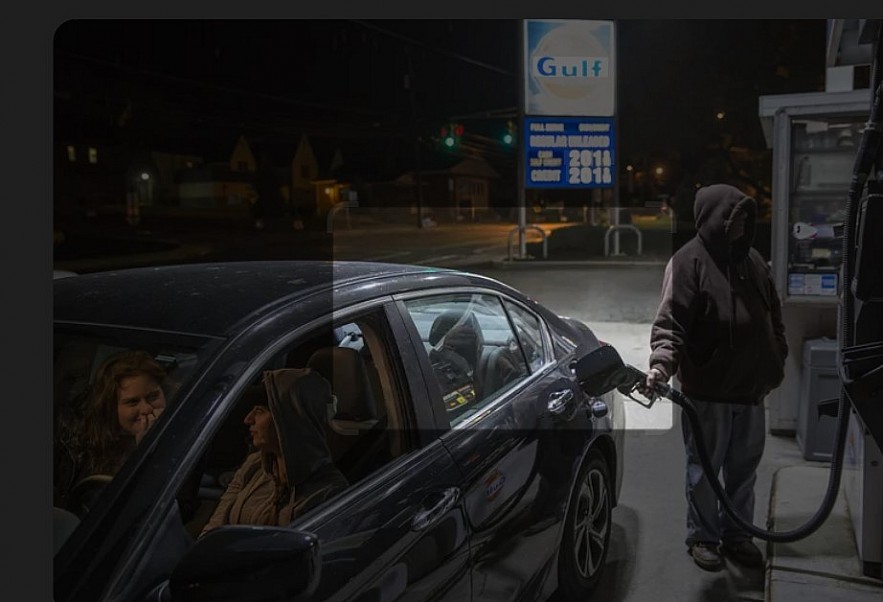
Myth #1: Pumping Gas at Night Gives You More Fuel
Verdict: Half True (But Misleading)
This is one of the most viral fuel-saving claims online. The logic is rooted in physics: gasoline expands in heat and contracts in cooler temperatures. So, in theory, cooler nighttime fuel is denser—meaning you get slightly more energy per liter.
However, in real-world conditions, this advantage barely exists.
Gas stations store fuel in underground tanks, where temperatures remain relatively stable throughout the day and night. That means the gasoline you pump at noon is almost the same temperature as the gasoline you pump at midnight.
The difference in volume is so small that it’s practically impossible to notice—even over a full tank.
Read more: Is It Better to Pump Gas at Night? The Truth Behind This Viral Fuel Myth
Myth #2: You Should Always Use Premium Gas to Save Money
Verdict: False
Many drivers believe that higher-octane (premium) gasoline improves fuel efficiency and helps save money in the long run. In reality, this is only true for vehicles that specifically require premium fuel.
If your car is designed for regular gasoline:
-
Using premium does not improve fuel economy
-
It does not make your engine “cleaner” or more powerful in everyday driving
-
You simply pay more for no real benefit
Premium fuel is only necessary for engines built to use it. For everyone else, it’s an unnecessary expense.
Myth #3: Topping Off Your Tank Gives You More Value
Verdict: False (and Potentially Harmful)
After the pump clicks off, many drivers try to add a little more fuel. It feels like getting extra for your money—but it can actually backfire.
“Topping off” can:
-
Cause fuel to overflow into the vapor recovery system
-
Increase fuel evaporation
-
Damage emissions components, leading to costly repairs
Modern pumps are designed to stop at the optimal fill level. Trust the system—it’s already doing its job.
Myth #4: Avoid Filling Up When a Tanker Truck Is Delivering Fuel
Verdict: Mostly Outdated
This tip comes from an older concern: that fuel deliveries stir up sediment at the bottom of storage tanks, which could then enter your car.
While this may have been a valid concern decades ago, modern gas stations use advanced filtration systems that remove contaminants before fuel reaches your tank.
While there’s no harm in waiting a few minutes if you’re unsure, the risk today is very low.
Myth #5: Pumping Gas Slowly Gets You More Fuel
Verdict: Slightly True (But Minimal Impact)
Some drivers believe that pumping slowly reduces vapor loss and gives you more fuel.
While slower pumping can slightly reduce turbulence and vapor formation, modern pumps are designed to minimize vapor loss regardless of speed.
In practice, the difference is extremely small—unlikely to make any noticeable impact on your fuel costs.
So What Actually Saves You Money?
Instead of relying on viral myths, focus on strategies that are proven to work:
-
Drive smoothly and avoid aggressive acceleration
-
Keep your tires properly inflated
-
Use apps to find cheaper gas nearby
-
Avoid unnecessary idling and extra weight in your vehicle
-
Buy fuel on lower-price days in your area (often early in the week)
These habits may seem simple, but they consistently deliver real savings—far more than any “pump trick.”
The Bottom Line
Gas pump myths often spread because they contain a grain of truth wrapped in exaggeration. Yes, physics plays a role in fuel behavior—but modern storage systems, pump technology, and regulations make most of these differences negligible.
If you want to save money on gas, don’t rely on internet hacks. Focus on how you drive, when you buy, and how you maintain your vehicle.
That’s where the real savings are.