Insurrection Act, Minneapolis, and Trump Power


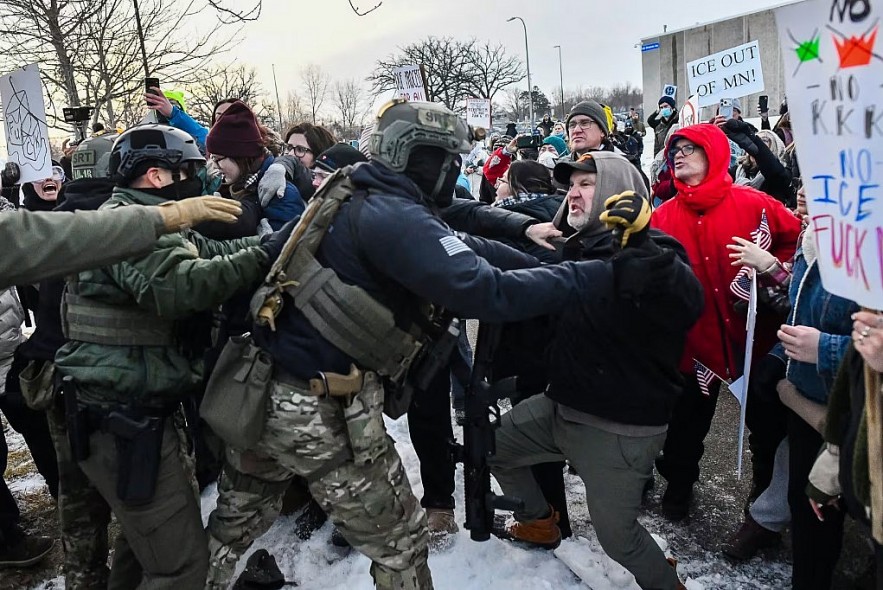 |
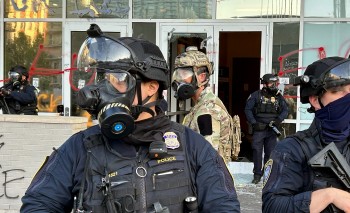
| Protesters clash Thursday with federal agents outside the Bishop Henry Whipple Federal Building in St. Paul, Minn. |
When President Donald Trump threatened to invoke the Insurrection Act amid continuing protests in Minneapolis tied to a federal immigration crackdown, it wasn’t just another “law and order” soundbite. It was a signal that the White House may be willing to use one of the bluntest legal tools in the federal playbook: domestic military deployment.
This isn’t a “what happened last night” recap. This is the lasting, searchable question Americans keep asking whenever protests and federal authority collide:
What is the Insurrection Act, what can a president do with it, and what would it mean if Trump used it in Minneapolis?
What Is the Insurrection Act?
The Insurrection Act is a federal statute that allows the U.S. president to deploy active-duty military forces or federalize the National Guard inside the United States. It is designed for extreme circumstances, such as insurrections, large-scale civil unrest, or situations where state authorities are unable or unwilling to enforce federal law.
Normally, U.S. law strictly limits the military’s role in domestic law enforcement. The Insurrection Act is one of the few legal exceptions. When invoked, it allows the president to bypass those restrictions and use military forces to restore order.
Historically, presidents have used the law sparingly. Past invocations typically involved clear breakdowns of public order, such as enforcing desegregation during the civil rights era or responding to widespread riots that overwhelmed local authorities.
The three main “doors” a president can walk through
The law is commonly discussed as three core authorities:
1) State request: “Help us”
If a state’s legislature (or governor) requests assistance to suppress an insurrection, the president can send federal forces. This is the least controversial pathway because the state is asking.
2) Enforce federal law: “I can’t enforce the law otherwise”
If “unlawful obstructions” make it impracticable to enforce federal law through normal courts, the president can call the Guard into federal service and use armed forces as considered necessary.
3) Protect rights / stop obstruction: “The state can’t or won’t”
This is the most politically explosive lane. It covers situations involving domestic violence or conspiracies that hinder execution of laws or deprive people of constitutional rights when state authorities are unable or unwilling to protect them.
Bottom line: the Act gives presidents wide discretion, and critics argue the statute’s vagueness is the problem.
What Trump could actually do if he invokes it
If Trump formally invokes the Insurrection Act, he has two operational moves that matter most:
A) Federalize the Minnesota National Guard
That means taking the Guard out of the governor’s command structure and putting it under federal control. It changes who gives orders, what the mission is, and how quickly Washington can escalate posture on the streets.
B) Deploy active-duty troops domestically
This is the headline-grabber. Active-duty troops can be brought in to secure federal facilities, protect federal personnel, and support enforcement of federal law—potentially including crowd-control functions that are normally outside the military’s domestic role.
Also: the statute requires a proclamation to disperse before force is used under the Insurrection authorities. It’s an often-overlooked procedural step, but it’s written directly into the code.
Why Minneapolis became the trigger
Minneapolis has become the live case study because the protests are tied to federal immigration enforcement and two shootings involving federal officers:
-
Reuters reports that protests escalated after an ICE agent fatally shot U.S. citizen Renée Good, and after a separate incident in which a Venezuelan man, Julio Cesar Sosa-Celis, was shot.
-
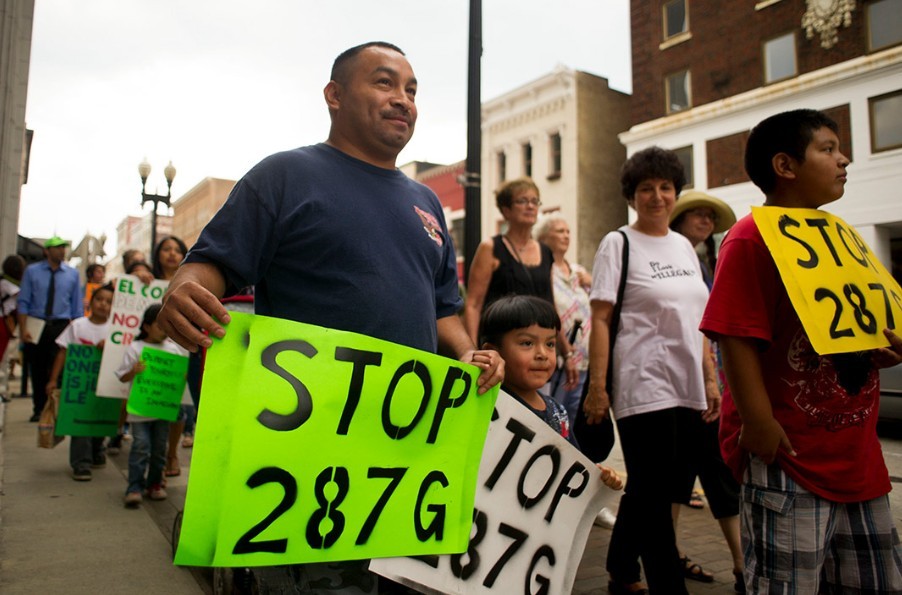
AP describes persistent protests against federal officers sent to Minneapolis as part of the administration’s immigration crackdown, and reports Trump’s threat to use the 1807 law to deploy troops.
-
The Los Angeles Times reports the Jan. 7 killing and a later shooting that intensified tensions, alongside sharp criticism from local leaders about the scale and impact of the federal presence.
This is why the Insurrection Act question is back: the unrest isn’t just local policing. It’s local resistance to federal enforcement, and that’s exactly where the president’s legal argument tends to focus.
Legal and Constitutional Concerns
Legal scholars warn that invoking the Insurrection Act in Minneapolis would push the law beyond its traditional boundaries.
Key concerns include:
-
Threshold: Many experts argue that protests, even violent ones, do not automatically constitute an “insurrection” under constitutional principles.
-
Federal overreach: Using the military without a request from the state governor raises serious federalism issues.
-
Civil liberties: Military crowd control increases the risk of excessive force and violations of free speech and assembly rights.
Several constitutional law experts have noted that while the act may be legal on paper, its use in this context could trigger prolonged court battles and deepen political polarization.
What Happens Next?
As of now, the Insurrection Act has not been formally invoked. National Guard units remain under state control, and local law enforcement continues to manage protests.
However, the situation remains fluid. Any further escalation—especially involving injuries or deaths—could prompt decisive federal action. Minnesota officials have indicated they would challenge such a move in court immediately.
Regardless of whether Trump follows through, the episode highlights a broader issue: how much power a U.S. president should wield in moments of domestic unrest, and where the line lies between restoring order and undermining democracy.